20 Bedroom for Couples Ideas Perfect for Modern Living
Designing a sanctuary for two is often a lesson in compromise. How do you blend feminine touches with masculine lines, or merge a love for minimalism with a partner’s need for cozy clutter? Creating a shared space is about more than just fitting in a larger bed; it is about finding a visual and functional rhythm that supports both partners.
If you are struggling to merge two distinct personalities into one cohesive look, you are in the right place. We have gathered the best bedroom for couples ideas to help you design a retreat that promotes rest, romance, and harmony. From gender-neutral color palettes to clever dual storage solutions, get ready to build a space where you both feel right at home.
Designing a bedroom for two can be a rewarding challenge, balancing comfort, style, and functionality to suit both partners’ needs. A well-thought-out shared space promotes relaxation and connection, turning a simple room into a personal retreat.
This article offers 20 practical and inspiring bedroom ideas for couples to create a harmonious environment that feels both cozy and inviting. Whether your space is large or small, these ideas aim to help you personalize your bedroom so it reflects both your tastes and supports your lifestyle.
Table of Contents
1) Use soft, layered lighting with dimmable lamps
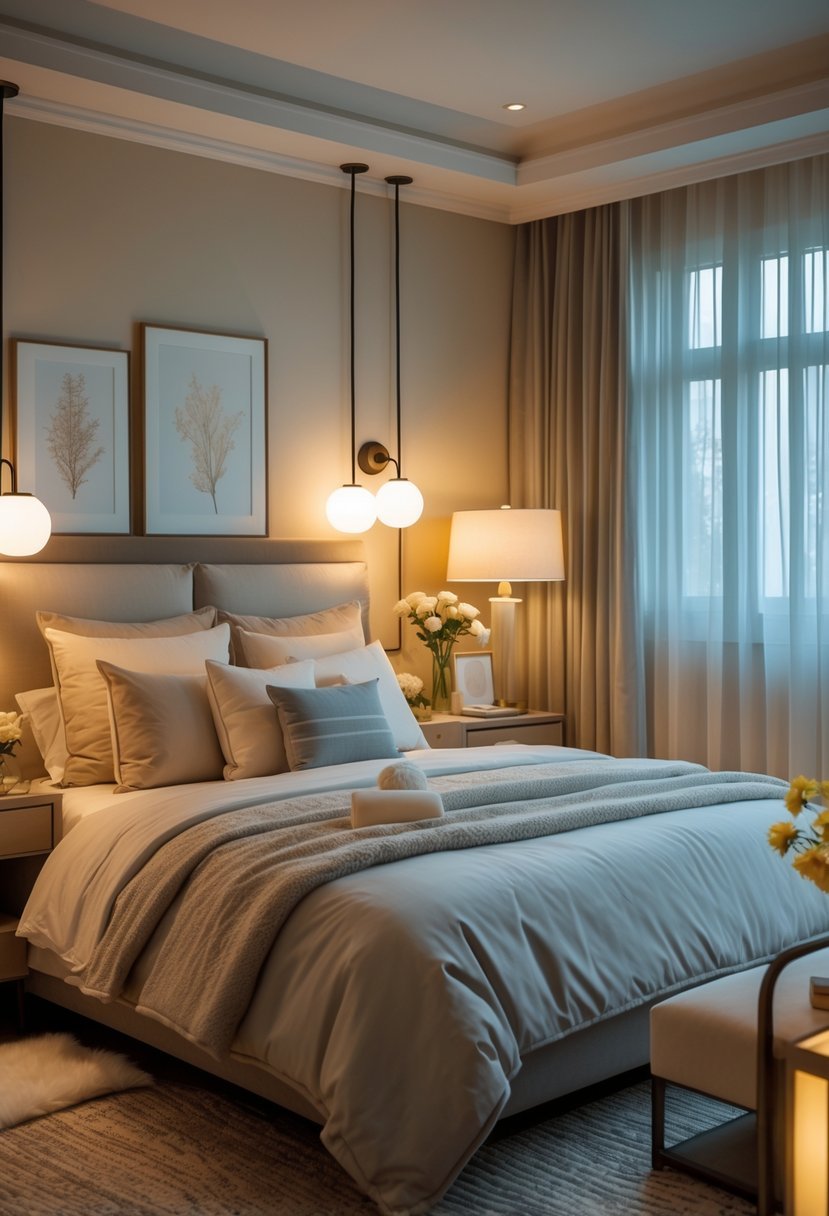
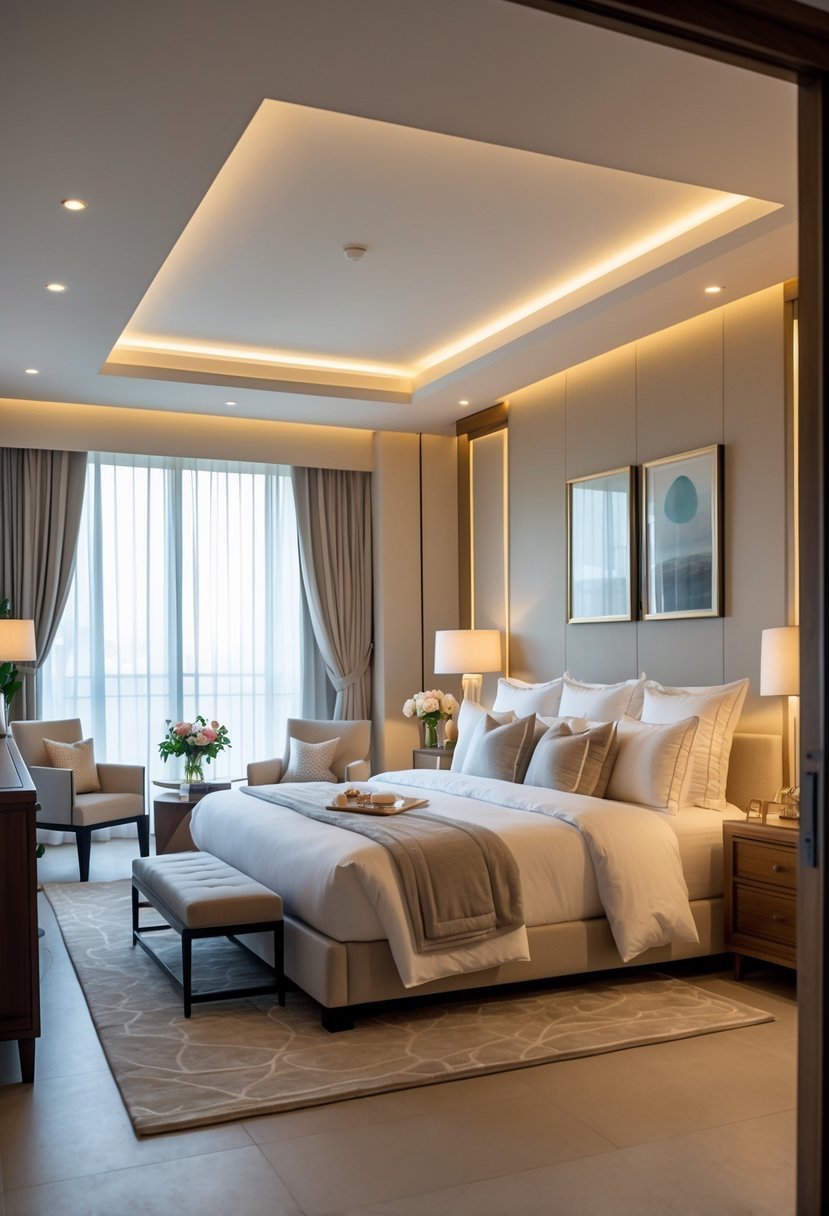
Soft, layered lighting creates the perfect atmosphere for a couple’s bedroom. Starting with ambient light from a dimmable ceiling fixture allows easy control of brightness.
Adding task lighting, such as bedside lamps with adjustable arms, gives targeted illumination for reading or other activities. Accent lights like LED strips or wall sconces add warmth and depth.
This mix of lighting layers lets you tailor the mood throughout the day. It feels cozy without being overpowering.
2) Choose a neutral color palette with accent tones
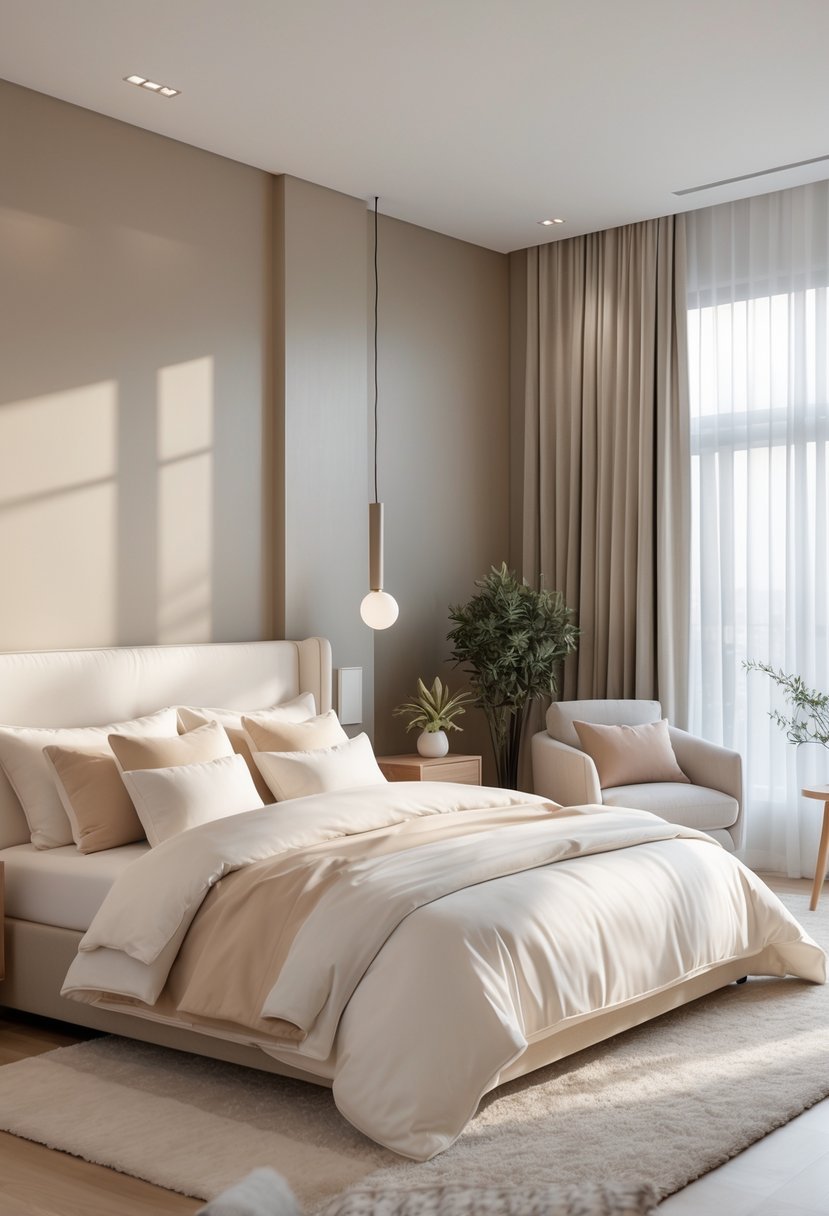
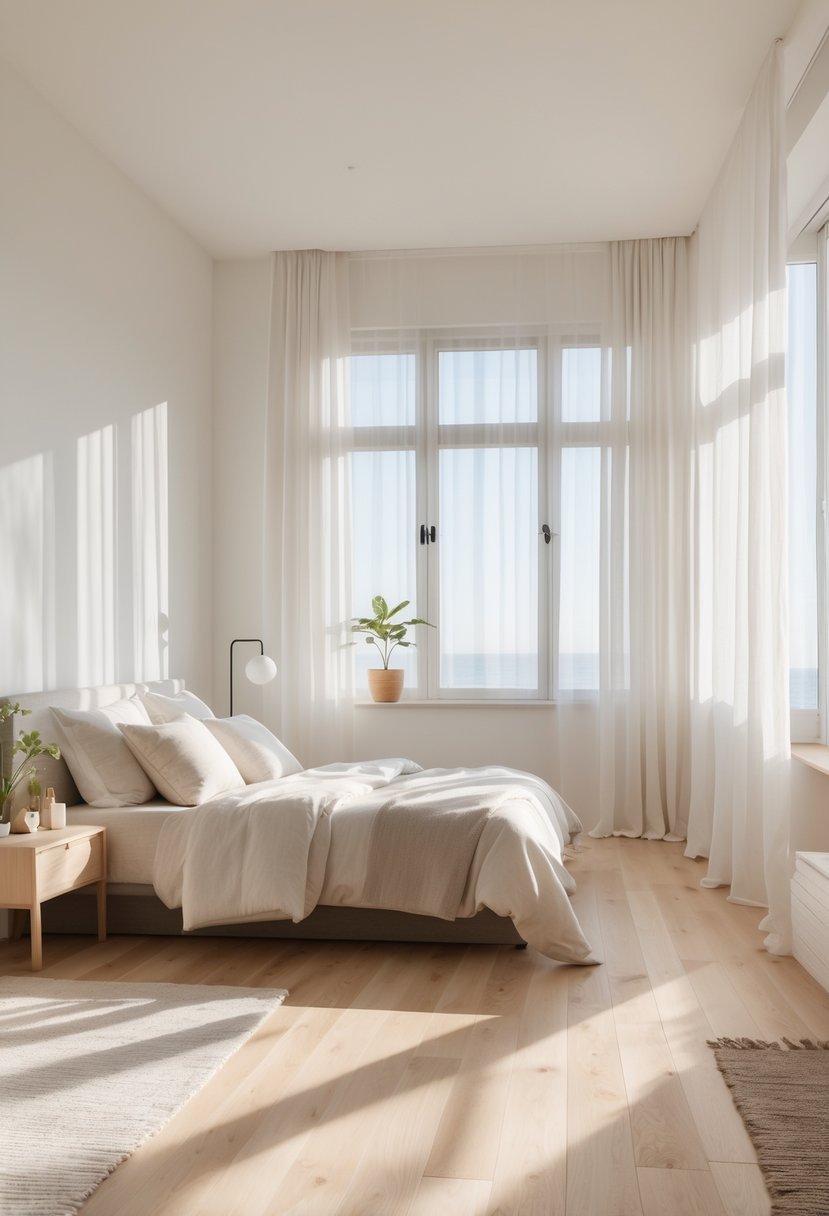
Neutral color palettes create a calm and balanced foundation for a couple’s bedroom. Shades like beige, gray, and taupe provide versatility and promote relaxation.
Adding accent tones is essential to avoid a monotonous look. Soft blush, muted teal, or warm olive introduce personality and warmth in textiles, pillows, or small decor items.
Layering textures in the same neutral family also helps maintain harmony. Both partners can enjoy a shared, cozy space that feels inviting yet sophisticated.
3) Incorporate dual-purpose furniture for space efficiency
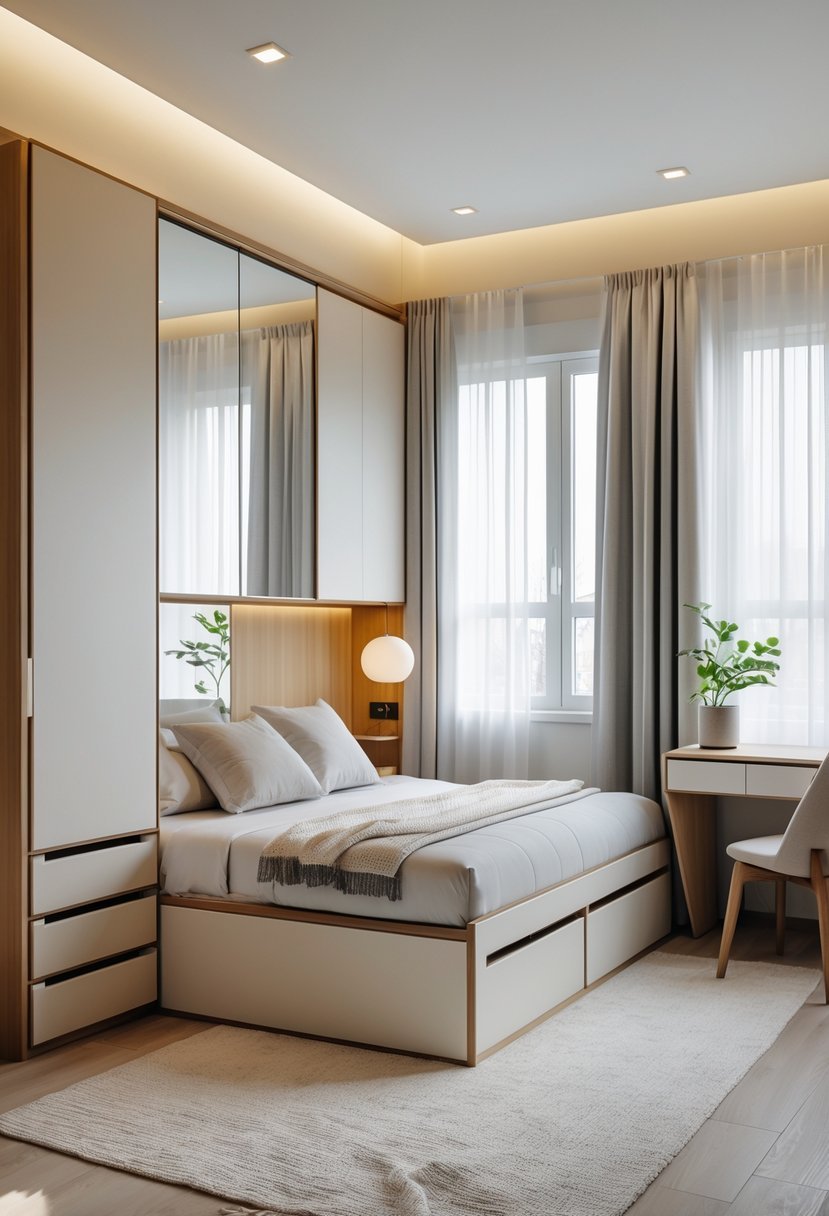
Dual-purpose furniture is essential in maximizing bedroom space for couples. Beds with built-in storage or fold-out desks serve more than one function, reducing clutter without sacrificing comfort.
Furniture that adapts to different needs helps keep the room organized and functional. For example, a bench that doubles as a storage chest offers seating and hidden space for linens or clothing.
Using these smart solutions allows the bedroom to feel less crowded while supporting daily activities. It’s a practical approach that combines style and efficiency.
4) Add textured rugs for warmth and comfort
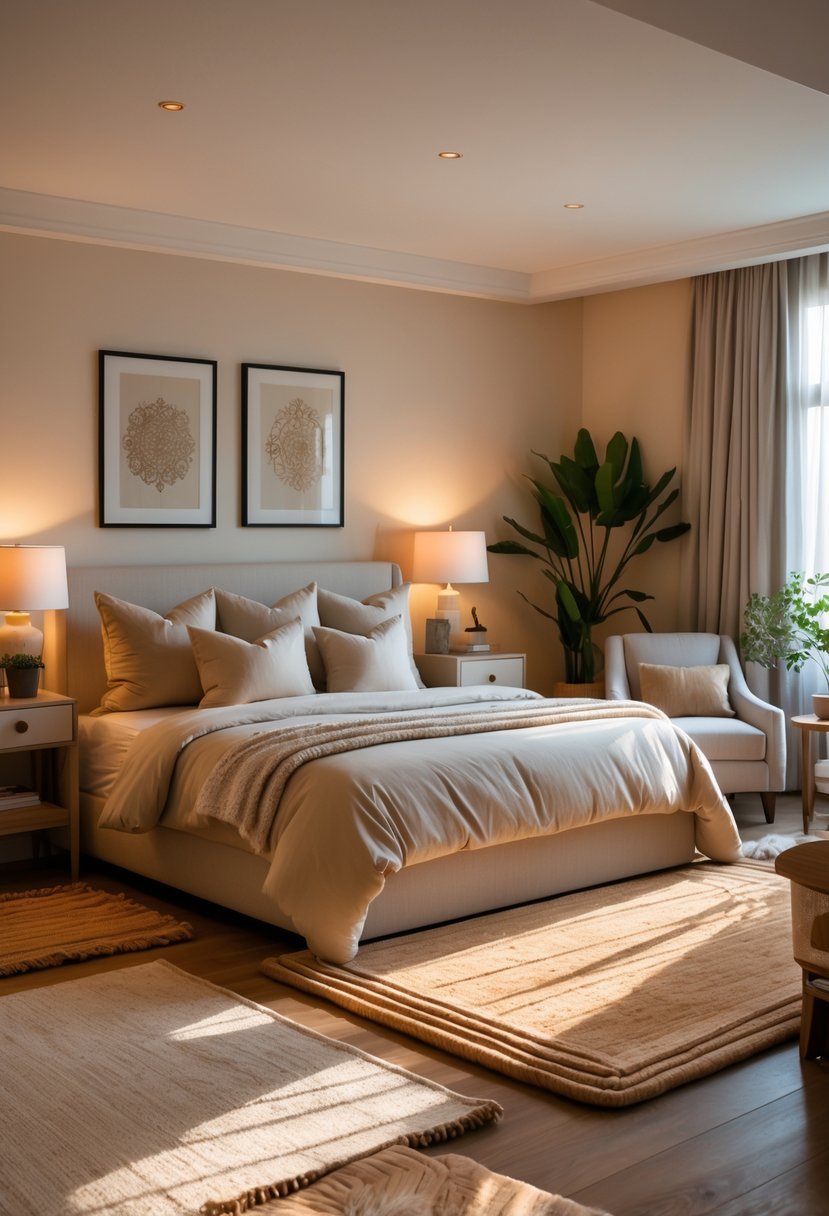
Textured rugs bring both warmth and softness to a bedroom, making the space feel more inviting. Plush or high-pile rugs add a cozy layer underfoot, especially in the mornings.
Texture adds visual interest without overwhelming the decor. Natural fiber rugs like jute offer subtle texture and earthiness.
Rugs help soften hard floors and can improve the overall comfort of the room. Adding one or two rugs in different textures elevates the space while keeping it practical and stylish.
5) Select matching bedding sets with subtle patterns
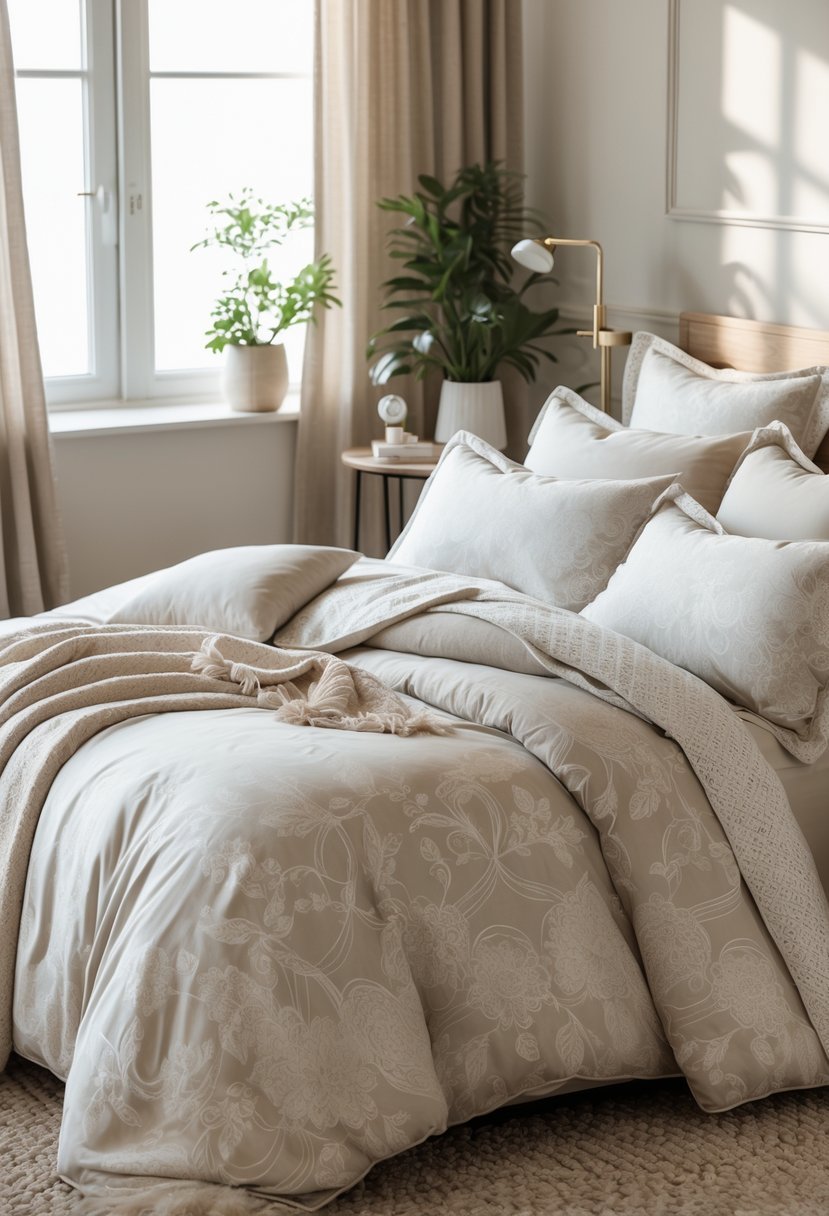
Matching bedding sets with subtle patterns create a balanced and harmonious look in a couple’s bedroom. These patterns add interest without overwhelming the space.
Gentle designs like thin stripes, delicate florals, or simple geometric shapes offer a cohesive feel. Subtle patterns provide a calm backdrop that suits various decor styles.
6) Opt for blackout curtains to enhance sleep quality
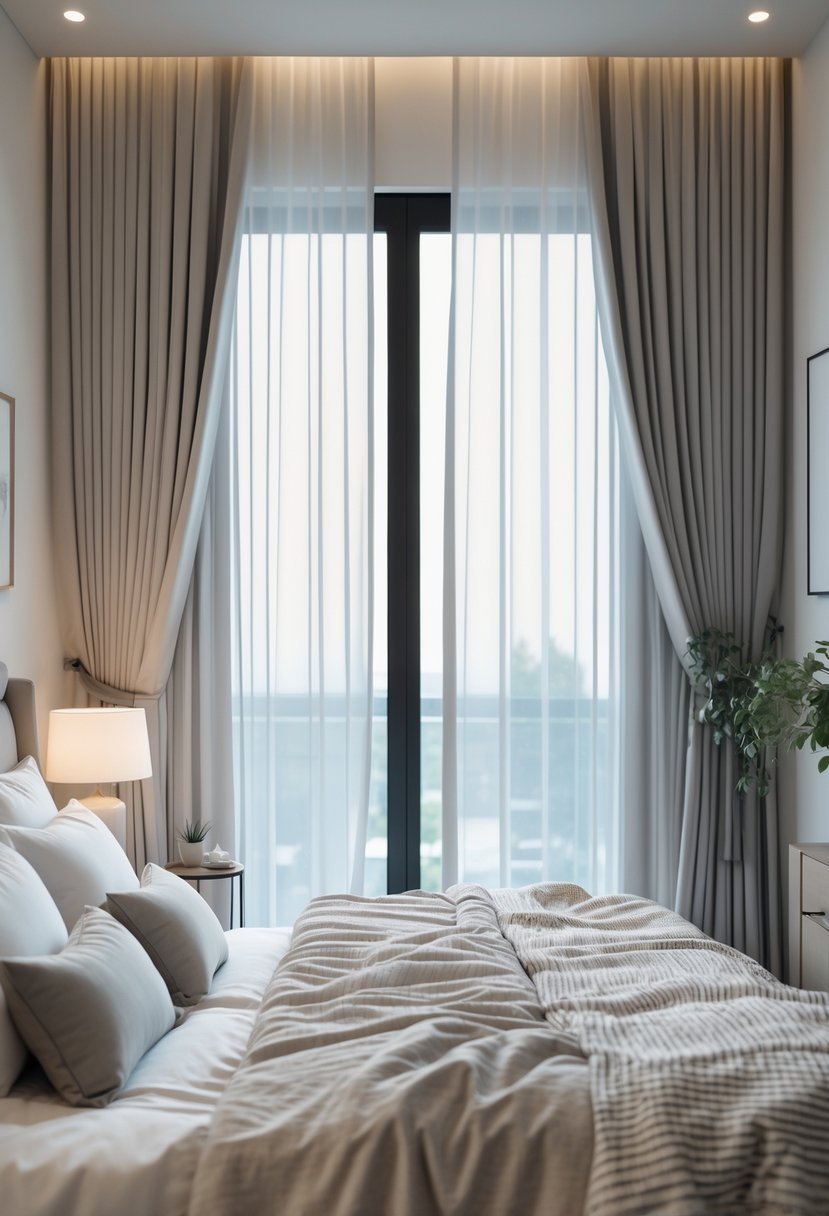
Blackout curtains make a significant difference when creating a restful bedroom. They block external light almost completely, which is especially helpful if your room faces streetlights or early morning sun.
These curtains often offer noise reduction and thermal insulation, helping maintain a steady room temperature and reduce outside sounds. Look for triple-layer fabrics and ensure they are wider than the window to prevent light leaks.
7) Install wall-mounted reading lights on each side of the bed
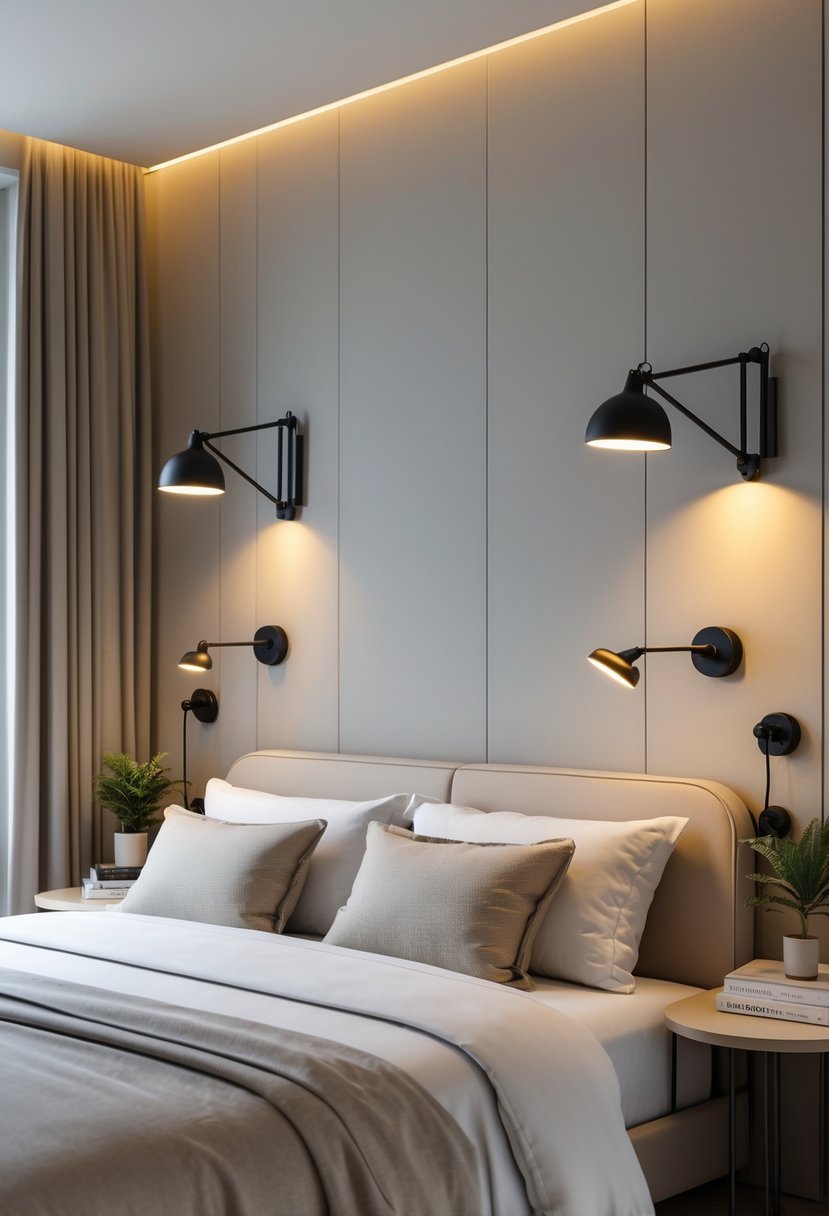
Wall-mounted reading lights are essential for couples sharing a bedroom. They save space on nightstands and provide focused light perfect for reading without disturbing your partner.
Position the lights at a comfortable height, about 4 to 5 feet from the floor. Individual controls for each light allow one person to read without affecting the other’s sleep.
Swing-arm designs offer extra flexibility, directing light precisely where you need it.
8) Create functional shared storage with under-bed drawers
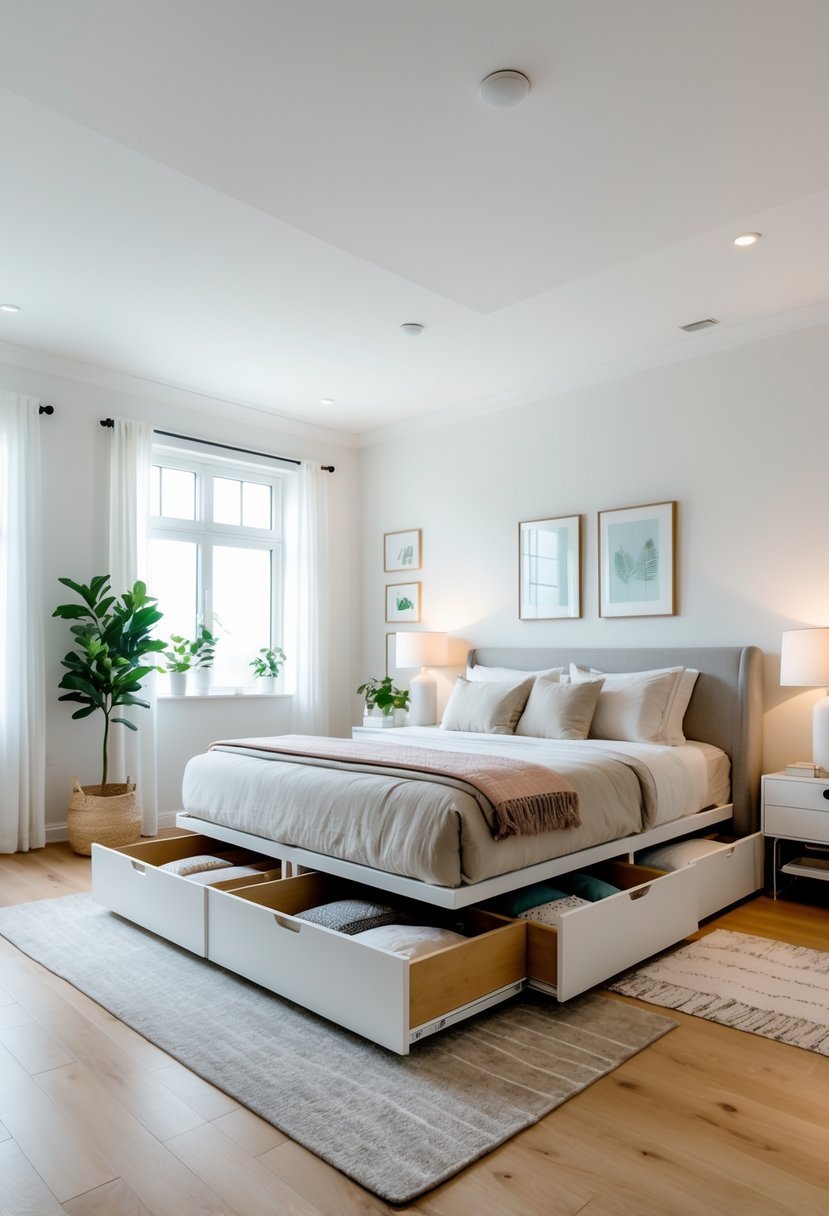
Under-bed drawers are an excellent way to add shared storage without taking up extra space. They utilize the area beneath the bed for storing clothes, shoes, or bedding.
These drawers are easy to access and keep things organized. Large pull-out drawers allow both partners to share the space equally.
Customizing under-bed storage with compartments or dividers keeps items separate and easy to find. It’s a practical solution for couples who want efficient storage without sacrificing style.
9) Place a cozy seating area with a loveseat or armchair
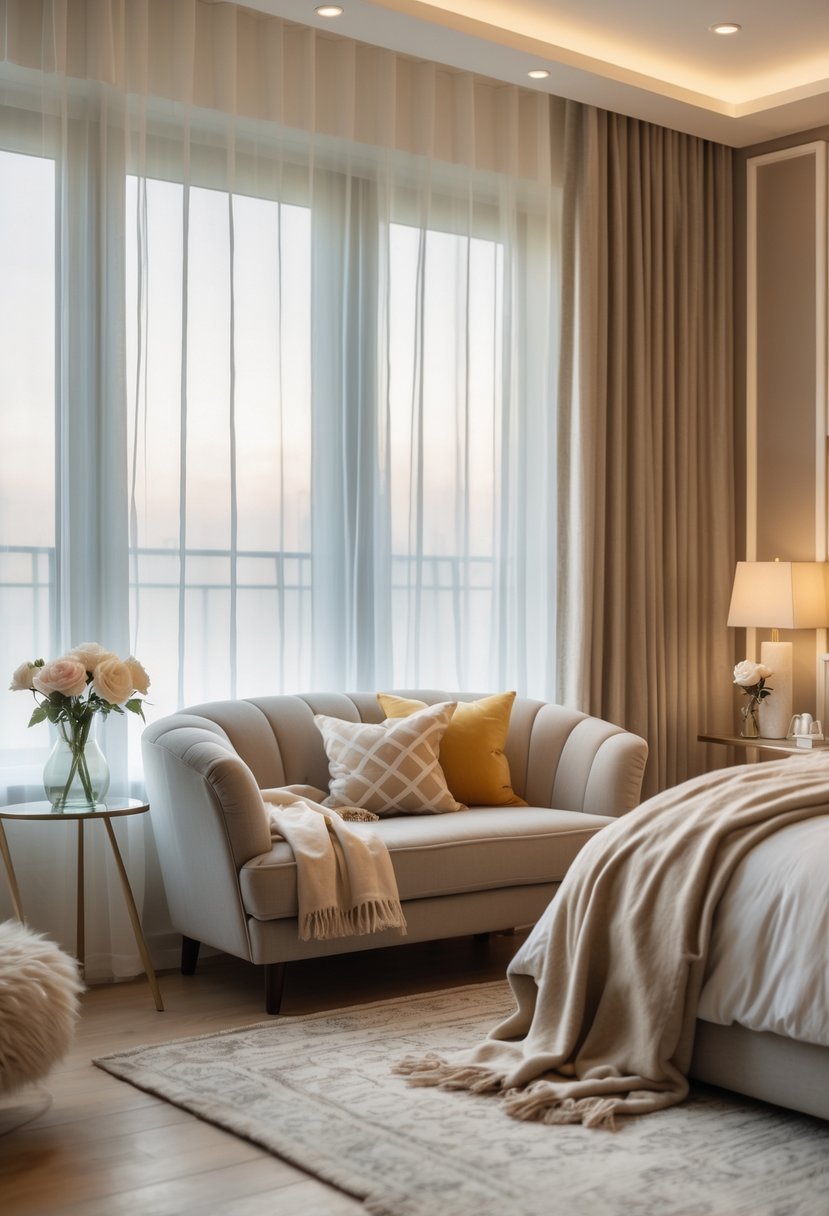
Adding a loveseat or armchair in the bedroom creates a comfortable spot for relaxation. It’s perfect for reading, unwinding, or sharing quiet moments with your partner.
Positioning the seating near a window brings in natural light, making the space feel more open and inviting. A neutral tone for the furniture blends well with most bedroom styles.
This seating area also provides extra functionality without taking up much space.
10) Use mirrored closets to visually expand the room
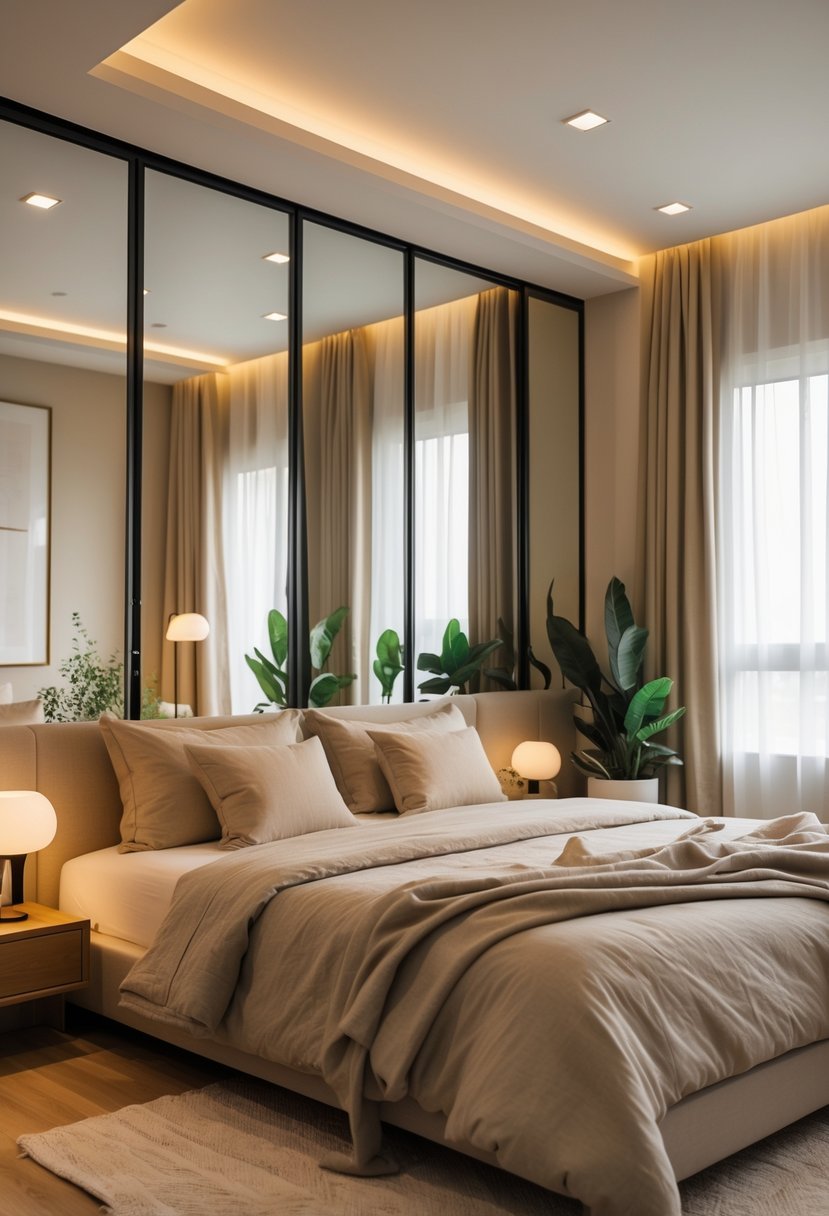
Mirrored closet doors are a practical and stylish solution for small bedrooms. They reflect light, brightening the space and making it feel larger.
Besides expanding the visual space, mirrors on closets serve a functional purpose. You can quickly check your outfit without needing an additional full-length mirror.
Choosing mirrored doors with simple frames helps maintain a clean look and enhances the room’s openness.
11) Display personal photos in minimalist frames
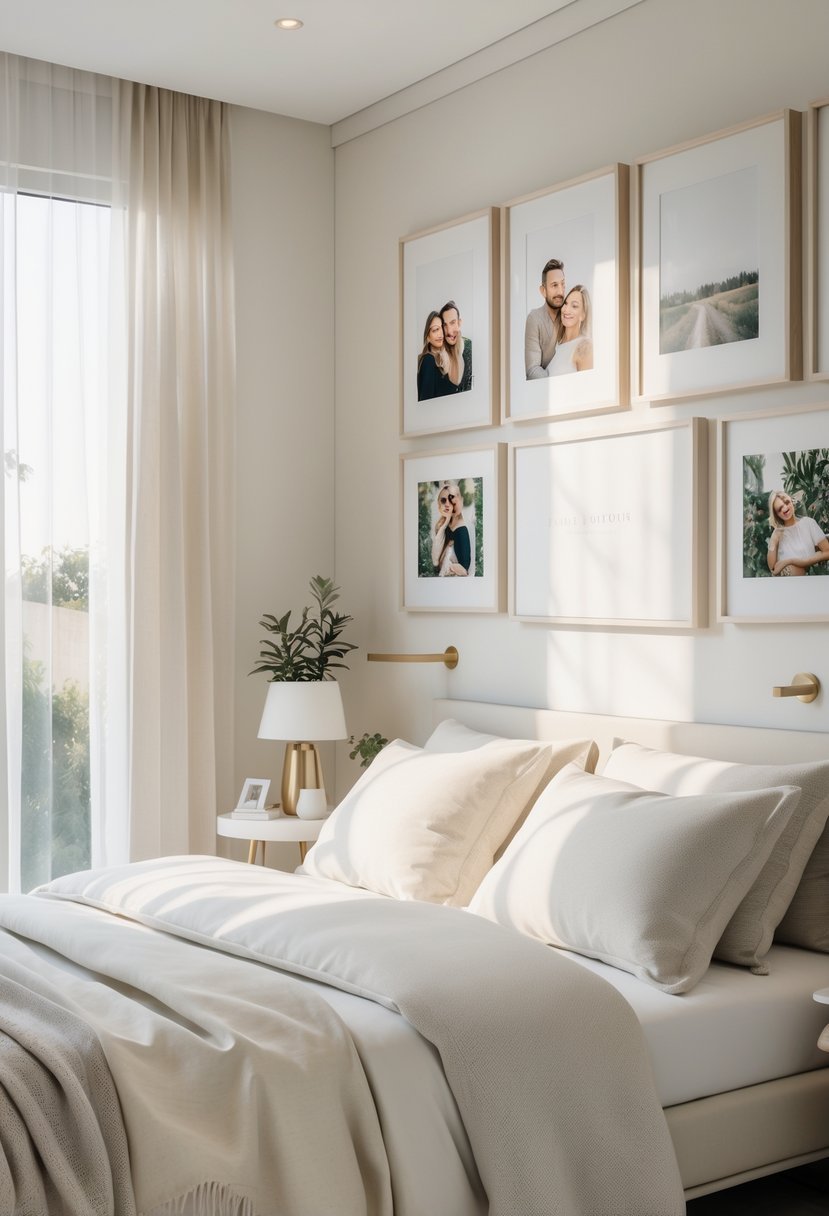
Minimalist frames keep the space tidy and focused when displaying personal photos. Simple frames in neutral colors or materials like black or white help the photos stand out.
Choosing a few meaningful pictures from trips or special events creates a subtle, intimate atmosphere. Arranging these frames in a clean layout, such as a grid or row, adds structure and makes the collection feel intentional.
12) Incorporate plants for a fresh and calming atmosphere
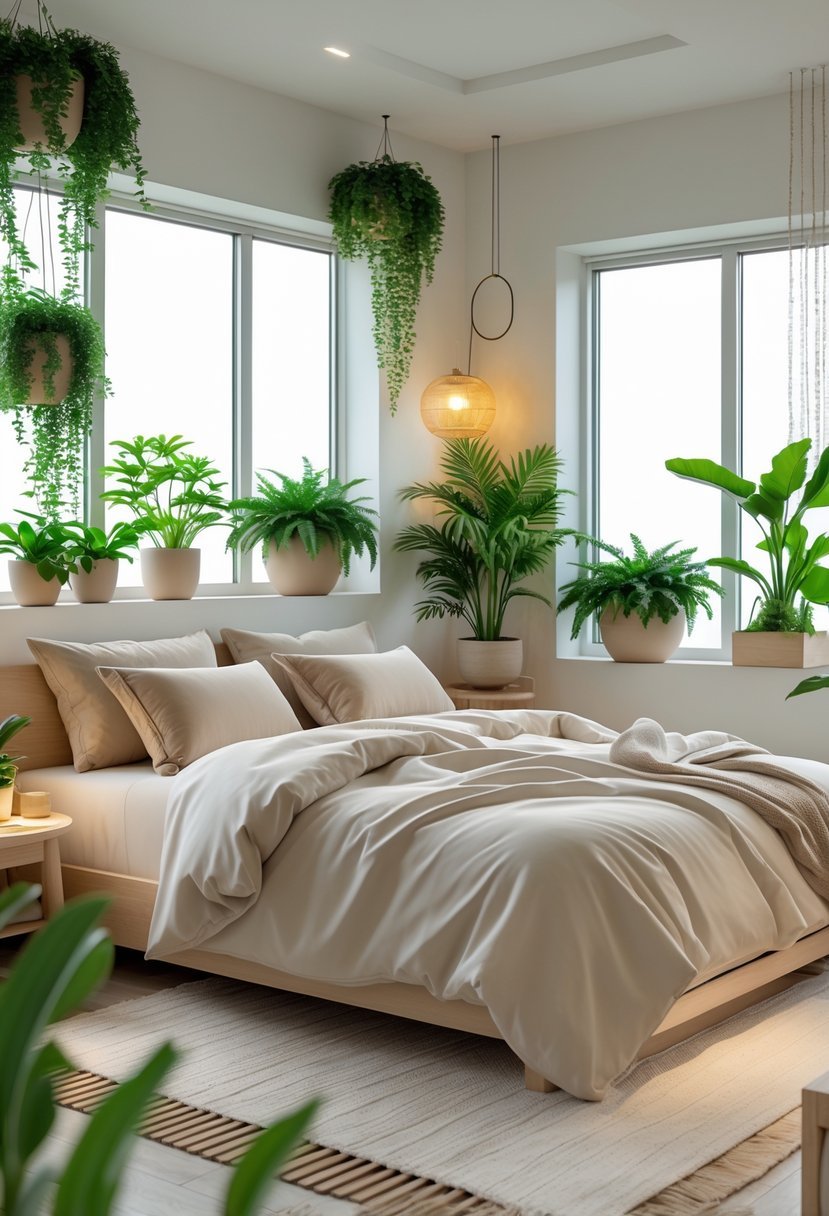
Adding plants to a bedroom instantly makes the space feel more inviting and peaceful. Plants bring a natural touch and help improve air quality.
Low-maintenance options like snake plants or pothos work well if you want greenery without much upkeep. Placing hanging plants or small potted ones on nightstands keeps the look balanced.
Plants create a calming atmosphere that can reduce stress and support relaxation.
13) Use scented candles or essential oil diffusers
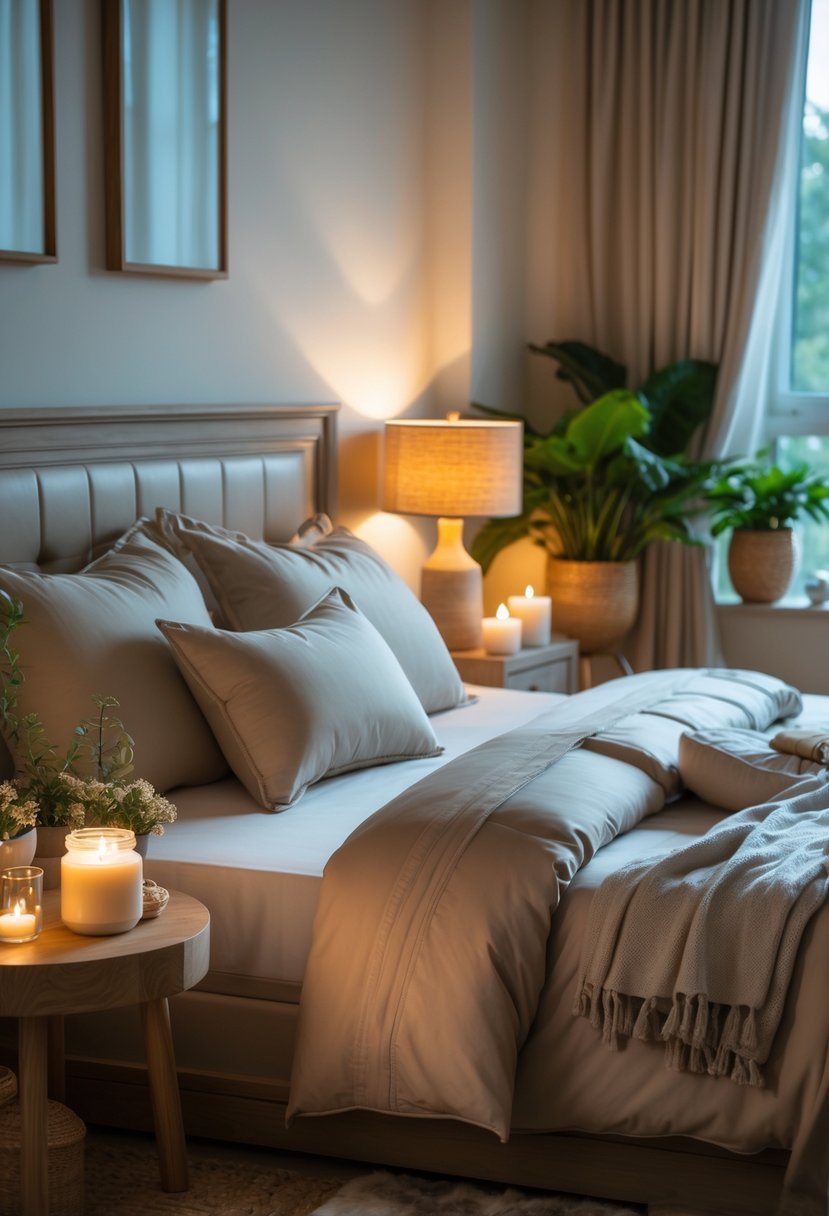
Scented candles and essential oil diffusers add a subtle yet effective touch to any bedroom. They help create a calm and inviting atmosphere.
Fragrances like lavender, vanilla, or eucalyptus work well for relaxation. Essential oil diffusers offer a cleaner way to spread fragrance, especially if you want continuous scent without an open flame.
Both options can elevate the ambiance and make the bedroom a more pleasant retreat.
14) Choose a low-profile bed frame with storage
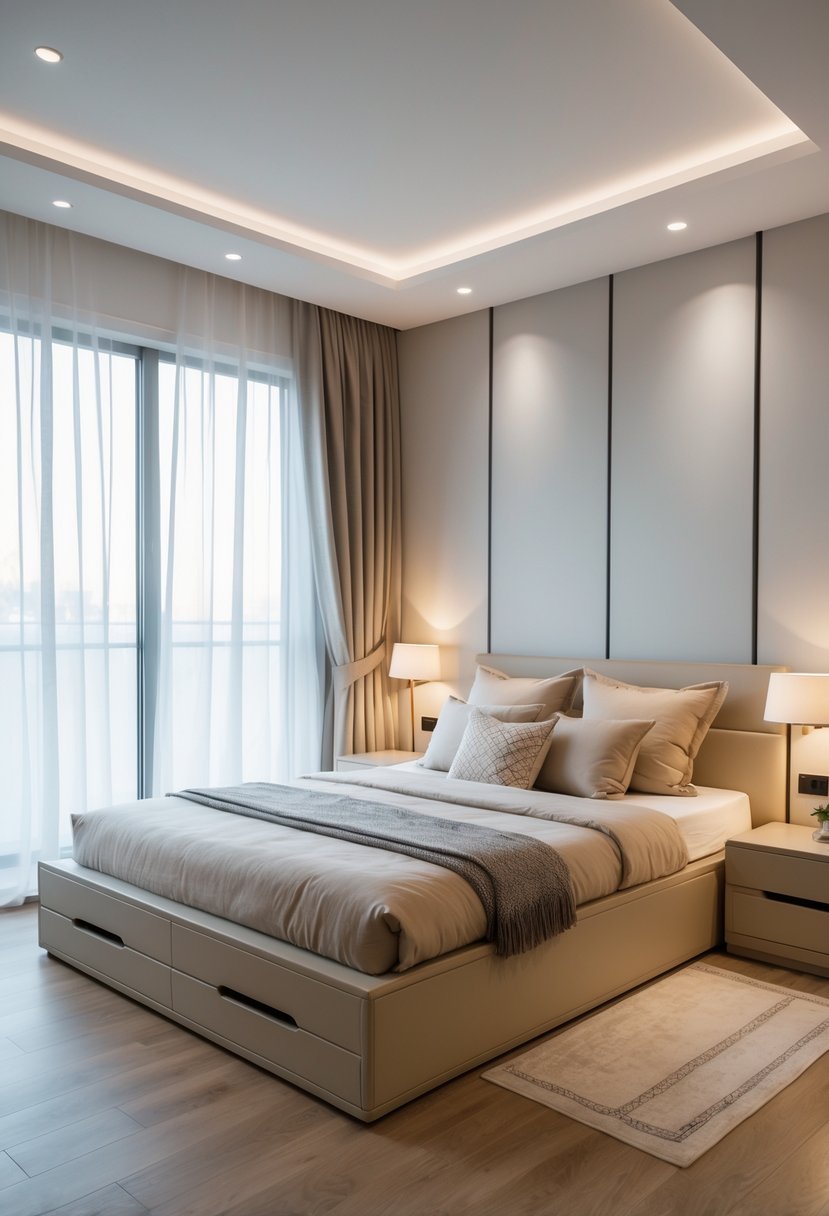
I find a low-profile bed frame with storage to be practical and stylish for a couple’s bedroom. It keeps the space feeling open by sitting closer to the floor, which helps smaller rooms appear larger.
The built-in storage options are invaluable. Drawers or compartments underneath offer a convenient spot for bedding, clothes, or other items, reducing clutter without needing extra furniture.
This kind of frame also fits various decor styles. Without a bulky headboard, you can personalize the wall behind with art or pillows to create a cozy yet minimalist look.
15) Add a statement art piece above the headboard
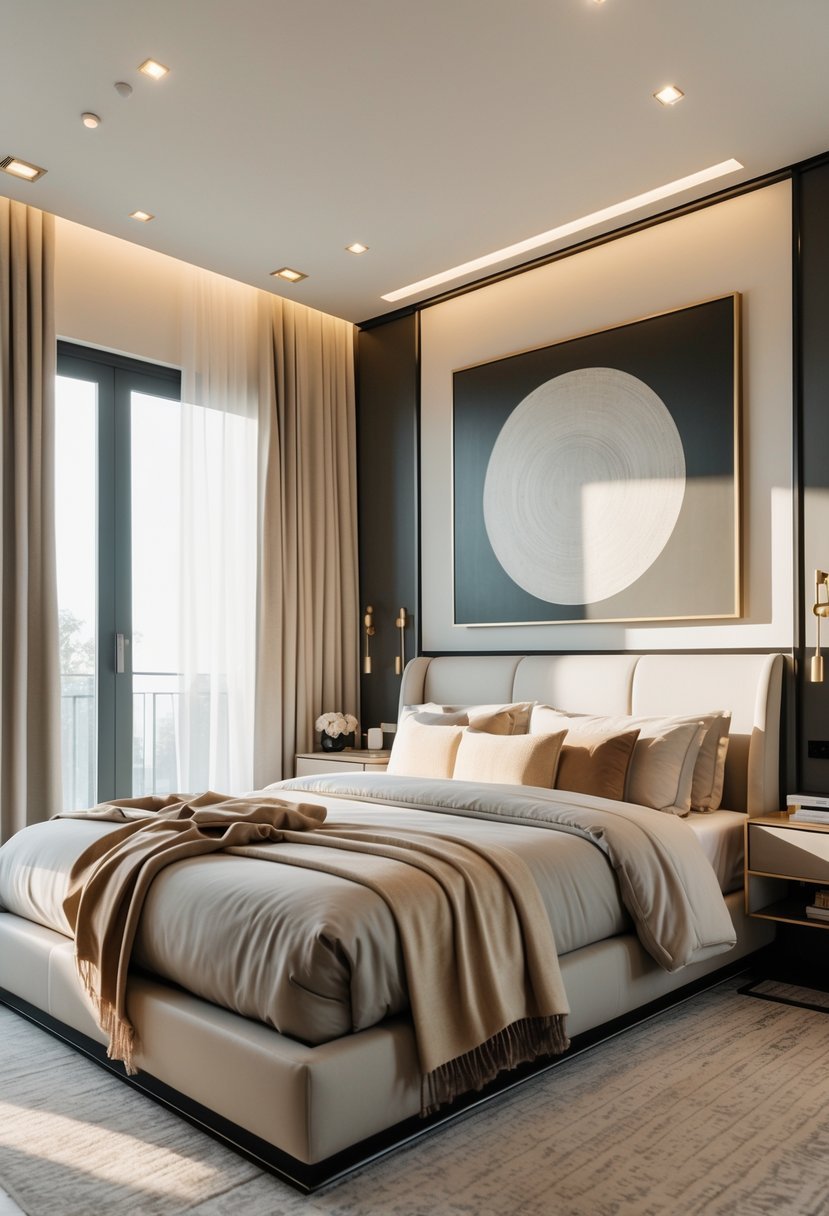
I find that a bold, single artwork above the headboard can instantly define the room’s character. Choosing a piece about two-thirds to three-quarters the width of the bed creates balance and draws attention without overwhelming the space.
Hanging the art 6 to 10 inches above the headboard keeps the composition clear and visually appealing. It’s an effective way to create a focal point that reflects both partners’ tastes.
For couples, this spot offers a chance to express shared interests or a meaningful story through carefully selected artwork.
16) Use floating shelves to save floor space
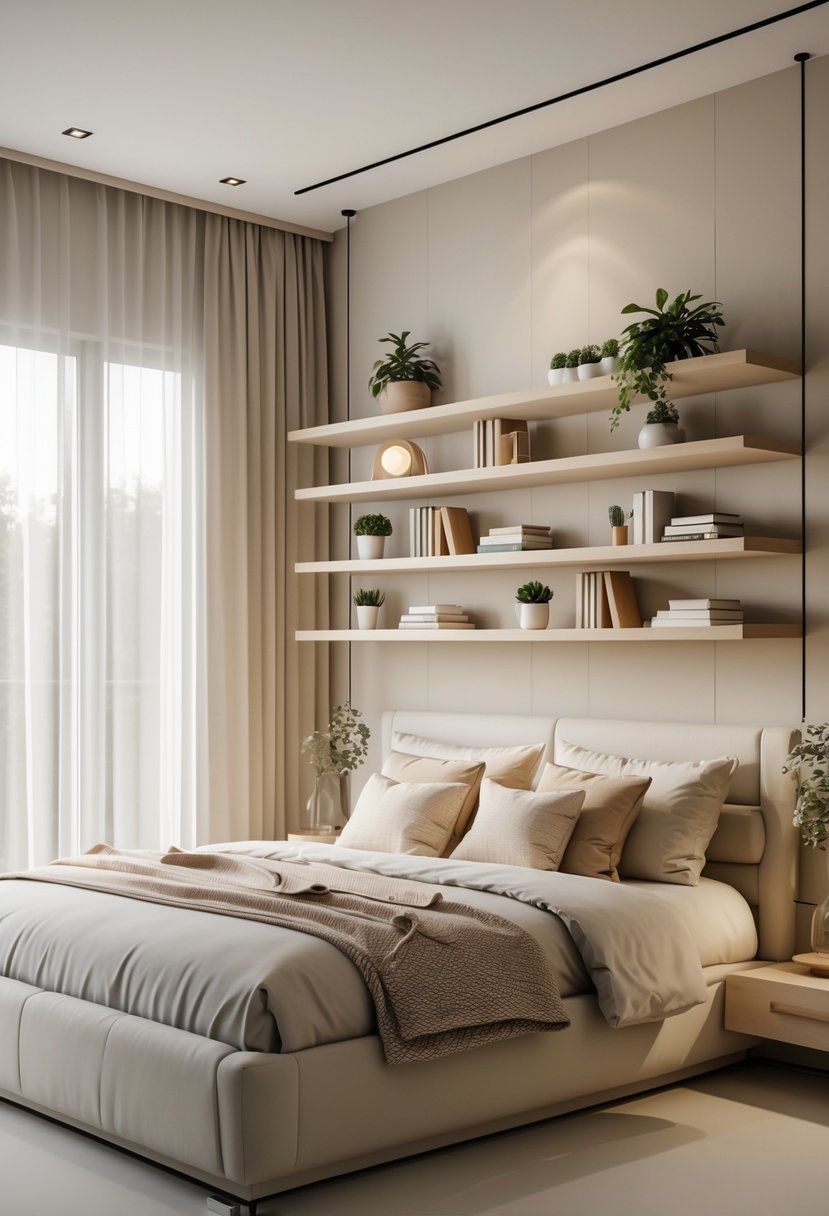
I find floating shelves are an excellent way to save floor space in a bedroom shared by a couple. They keep essentials within reach without adding bulk, which is helpful when space is limited.
Installing them above bedside tables or along walls frees up valuable room for movement. I also appreciate how they add a modern and clean look.
Floating shelves offer flexibility too. I can display books, plants, or personal items on them, giving the room a personal touch while staying organized.
17) Incorporate coordinated throw pillows in varied fabrics
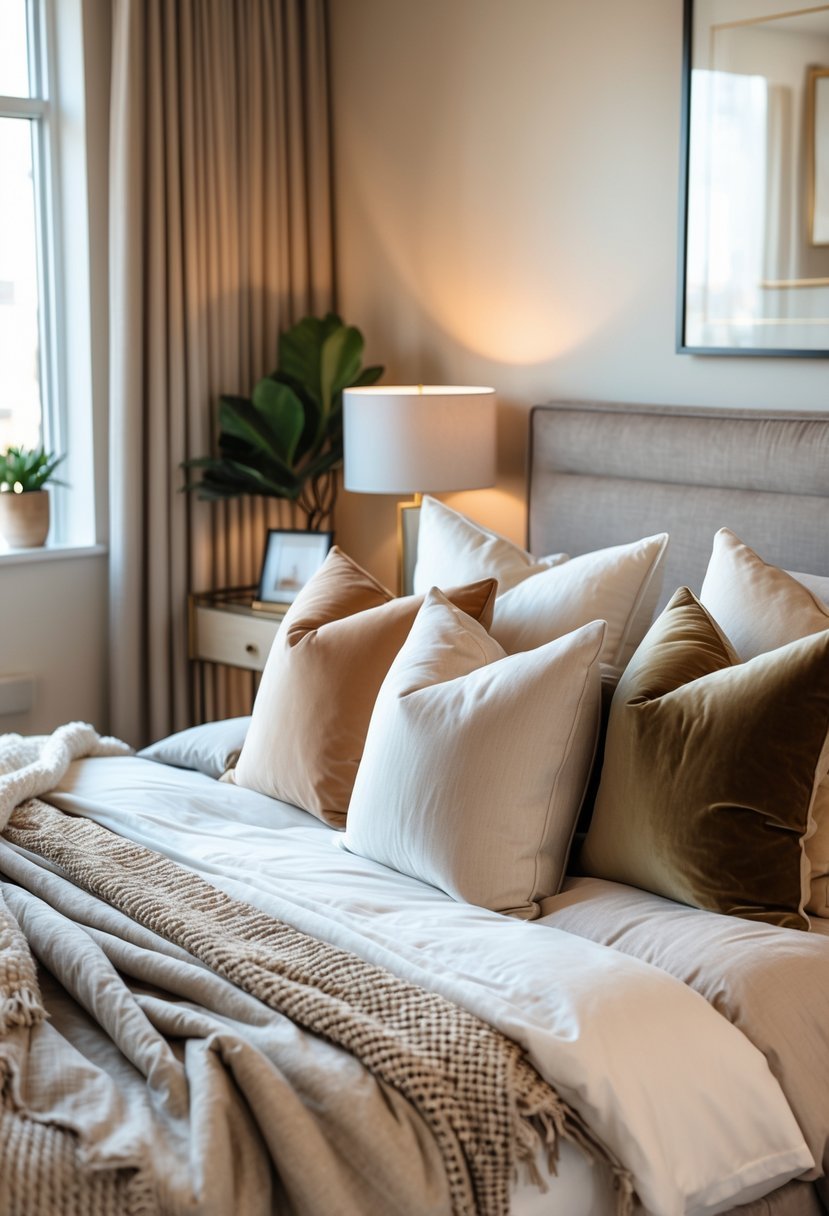
I believe adding throw pillows in different fabrics brings depth to a bedroom’s look without overwhelming it. Coordinating colors keeps the arrangement cohesive, while mixing textures like velvet, linen, or cotton adds interest.
Choosing pillows that complement your bedding and room palette creates harmony. Pairing smooth fabrics with rougher weaves creates a subtle contrast that feels intentional and inviting.
I find that varied fabrics also enhance comfort, offering options to suit different moods or seasons.
18) Install a full-length mirror for practicality
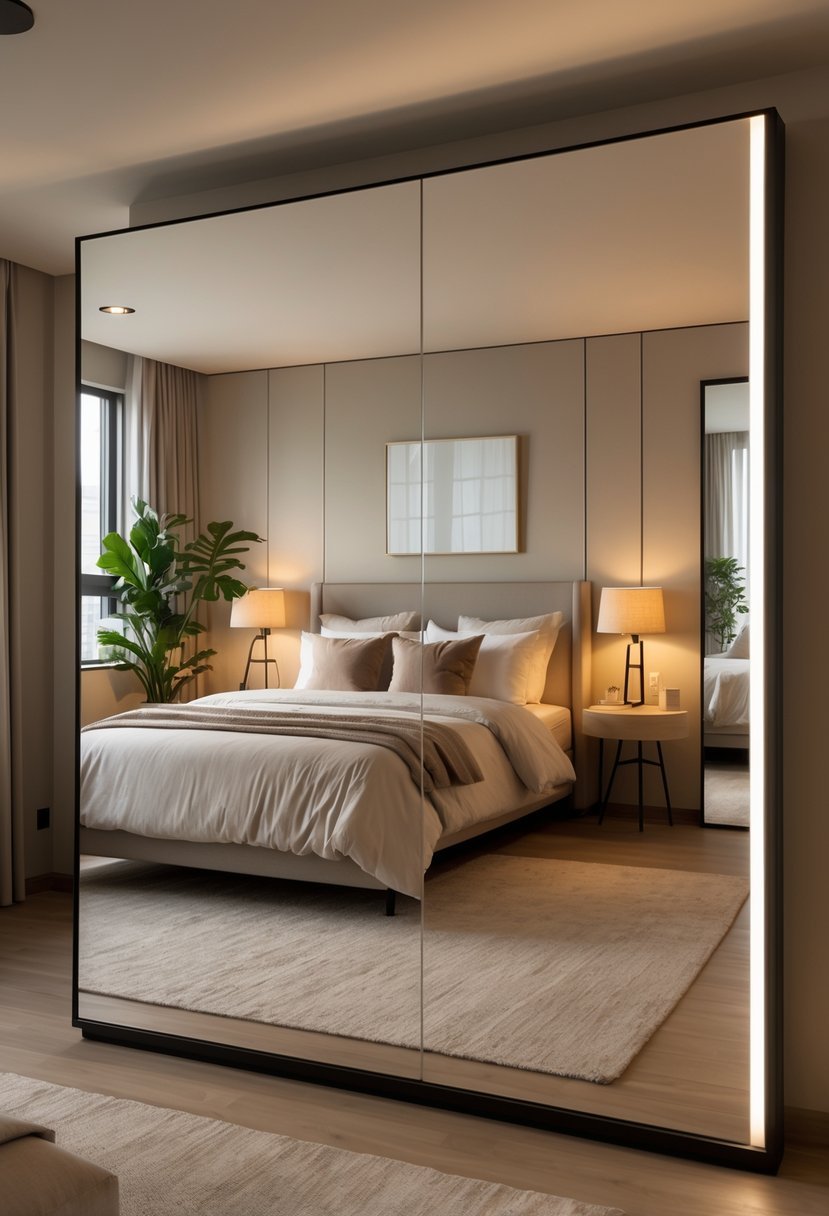
I find that a full-length mirror is essential in a couple’s bedroom. It allows both partners to check their outfits easily without needing extra space.
Placing the mirror near the closet or entryway increases its functionality. It saves time getting ready and adds convenience.
A well-placed mirror also helps reflect natural light, brightening the room subtly. This can make the bedroom feel more open.
For smaller rooms, I prefer door-mounted mirrors to save wall and floor space. These are simple to install and highly practical in limited spaces.
19) Keep nightstands symmetrical with balanced decor
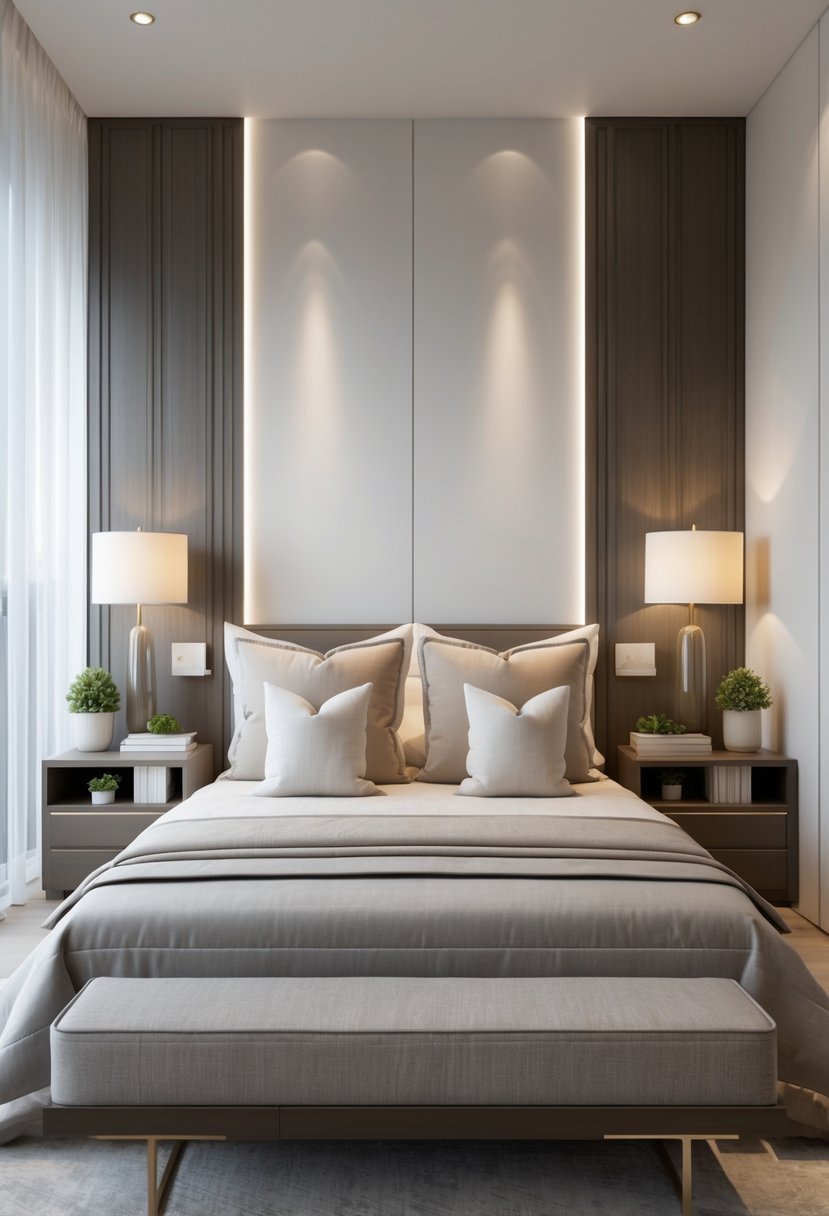
I find that having matching nightstands on either side of the bed immediately creates a sense of harmony. Symmetry helps balance the space, making it feel orderly and calm.
To maintain this balance, I usually pair the nightstands with identical lamps or lighting. This not only unifies the look but also provides practical, even lighting for both sides.
When styling, I keep decor minimal and intentional. Items like a book, a small plant, or a personal keepsake work well.
I avoid clutter to preserve the clean, balanced aesthetic that a symmetrical setup offers.
20) Create a tech-free zone for better rest
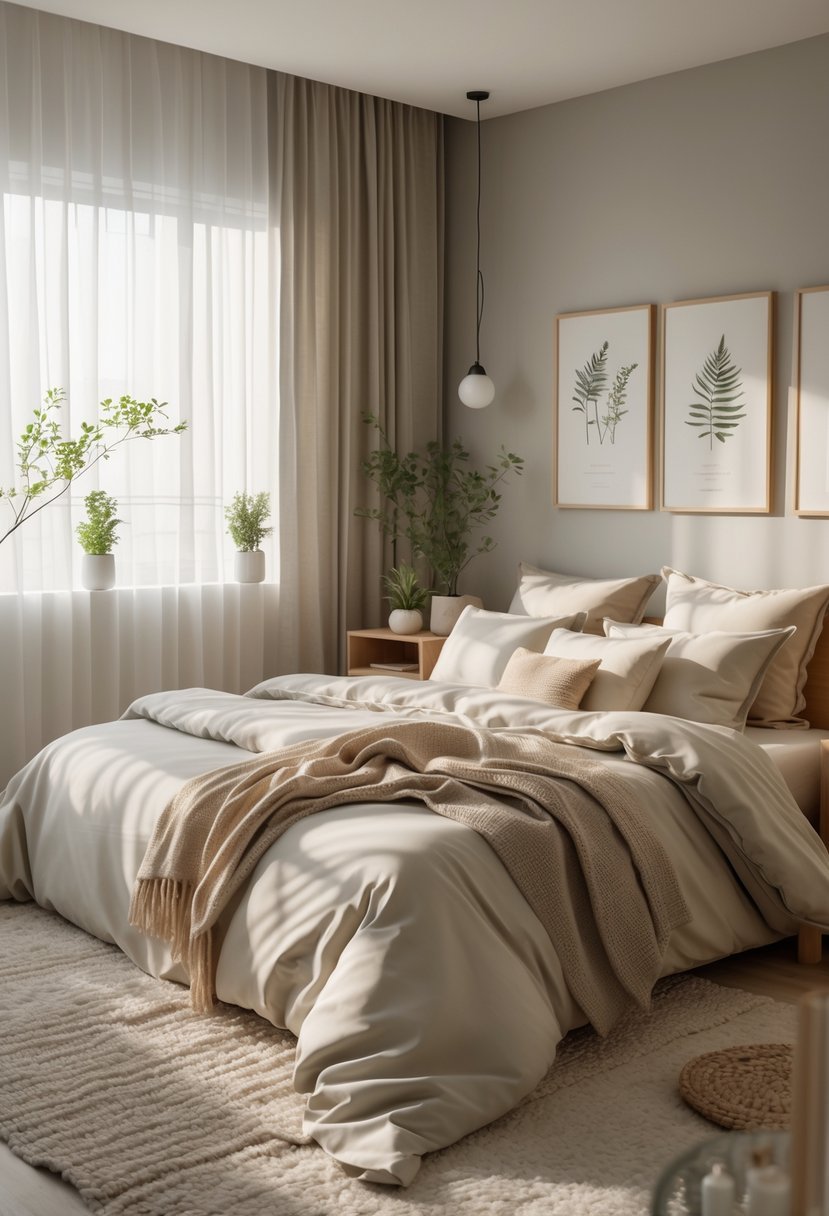
I recommend turning part of your bedroom into a tech-free zone. Removing electronic devices reduces exposure to blue light, which can interfere with melatonin production and disrupt sleep cycles.
A space without screens helps me focus on relaxation and rest, free from digital distractions. This promotes deeper sleep and can improve overall mental wellness.
I keep soft lighting and calming colors in this area to enhance the peaceful atmosphere. Books or other non-digital activities replace phones and tablets, supporting better sleep and a more restful environment.
Key Design Principles for Couple-Friendly Bedrooms
Creating a bedroom for two means addressing both practical needs and shared style preferences. It requires careful choices that allow for comfort, individual expression, and a sense of intimacy without sacrificing daily functionality.
Balancing Functionality and Aesthetics
I believe functionality must support how we live together, so storage and organization are essential. Built-in wardrobes or dual nightstands help keep each person’s items within reach without cluttering shared space.
Soft, adjustable lighting creates mood and comfort while serving practical needs like reading or getting ready. Aesthetic decisions, like choosing neutral tones combined with personal accents, ensure the room feels unified while allowing each partner’s taste to shine through.
Texture plays an important role—layered bedding or a mix of materials brings warmth and visual interest without overcrowding.
Optimizing Layouts for Privacy and Connection
The layout should support both togetherness and personal breathing room. Placing the bed centrally with symmetrical furniture offers visual balance and equal access.
I prefer clear walkways around the bed to avoid disruptions. If space allows, adding a separate seating area encourages relaxation outside the bed, creating zones within the same room.
Shared elements, like lighting controls on both sides, reinforce connection. At the same time, choosing storage solutions that can be partitioned maintains privacy over personal belongings.
Creating a Comfortable Atmosphere
A bedroom’s comfort relies heavily on how it feels visually and emotionally. I focus on lighting that sets the mood and color schemes that promote calm, making the space feel welcoming and restful.
Lighting Choices for Ambiance
Lighting can completely change how a bedroom feels. I recommend using soft, adjustable lighting rather than harsh overhead lights.
Layered light sources—such as bedside lamps, wall sconces, and dimmable ceiling lights—allow you to control brightness depending on the time of day or mood. Warm-toned bulbs (2700K to 3000K) create a cozy, inviting glow.
I also like using smart bulbs or dimmers to easily shift from bright, practical light to a gentler, intimate setting. Avoiding blue or overly bright lights before bedtime helps maintain natural sleep rhythms.
Position lighting to reduce glare and shadows. For example, placing lamps near reading areas or by the bed adds function without sacrificing ambiance.
Incorporating Calming Color Schemes
Color directly affects how relaxed I feel in a room. I lean toward muted, soft tones that don’t overwhelm the senses. Shades like pale blues, soft greens, warm taupes, and gentle grays create a serene backdrop. Using a limited palette helps maintain visual harmony. I suggest picking one or two primary colors and supporting them with neutrals or subtle accents to balance the space. Textures play a role too.
Matte or satin finishes reduce glare and keep colors soothing. Avoid overly bright or high-contrast combinations, which can cause tension rather than relaxation.
| Color Idea | Effect | Recommended Use |
|---|---|---|
| Soft Blue | Calming, restful | Walls or bedding |
| Pale Green | Soothing, fresh | Accent walls or decor |
| Warm Taupe | Cozy, neutral | Furniture or curtains |
| Light Gray | Modern, balanced | Base wall color or rugs |
Conclusion
Ultimately, the best shared spaces are the ones that tell your unique love story. These bedroom for couples ideas demonstrate that you don’t have to sacrifice your personal taste to create a harmonious environment. Whether you bonded over a moody, dramatic aesthetic or decided on a bright, airy sanctuary, the key is cultivating a room that invites connection and relaxation after a long day. We hope this guide has given you the tools to navigate the design process together with less stress and more excitement. Now, grab some paint swatches, discuss your absolute “must-haves,” and start transforming your bedroom into the favorite room in the house for both of you.