10 Basement Wooden Floor Ideas for Stylish, Durable Spaces
Wooden floors can transform a basement into a warm, inviting space that feels like an extension of your home. When considering basement flooring, it’s important to choose options that handle moisture well without compromising style or comfort.
I want to share 10 wooden floor ideas that balance durability and aesthetics, making them suitable for basement environments. These ideas can help you personalize your basement while ensuring you select practical and long-lasting materials.
Table of Contents
1) Engineered hardwood flooring for moisture resistance
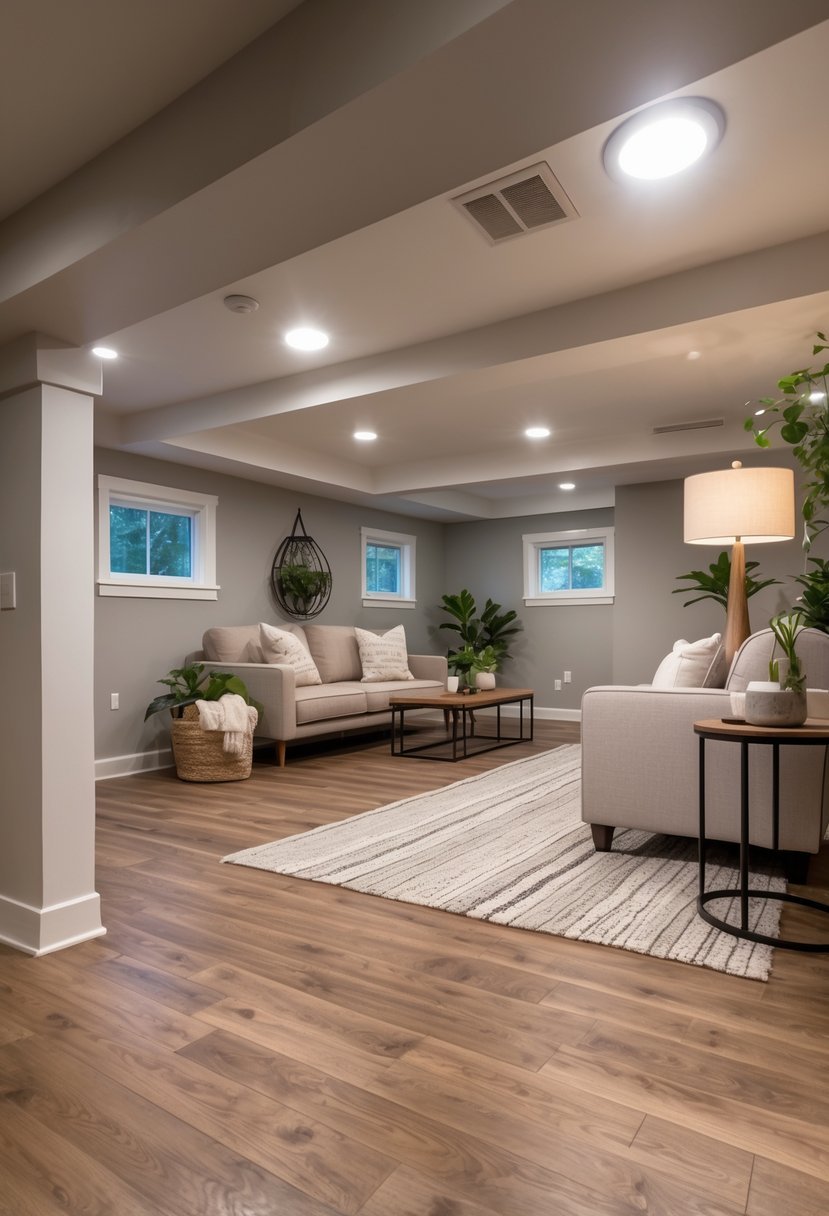
I choose engineered hardwood flooring for basements because it handles moisture better than solid wood. Its layered construction includes a real wood veneer over a stable core, which reduces the risk of warping or swelling from humidity.
This flooring works well over concrete, especially when paired with a moisture barrier underlayment. I find it important to select engineered wood specifically designed for below-grade use to ensure stability.
The durability and appearance are close to traditional hardwood, but with improved resistance to temperature swings.
2) Luxury vinyl plank with wood look
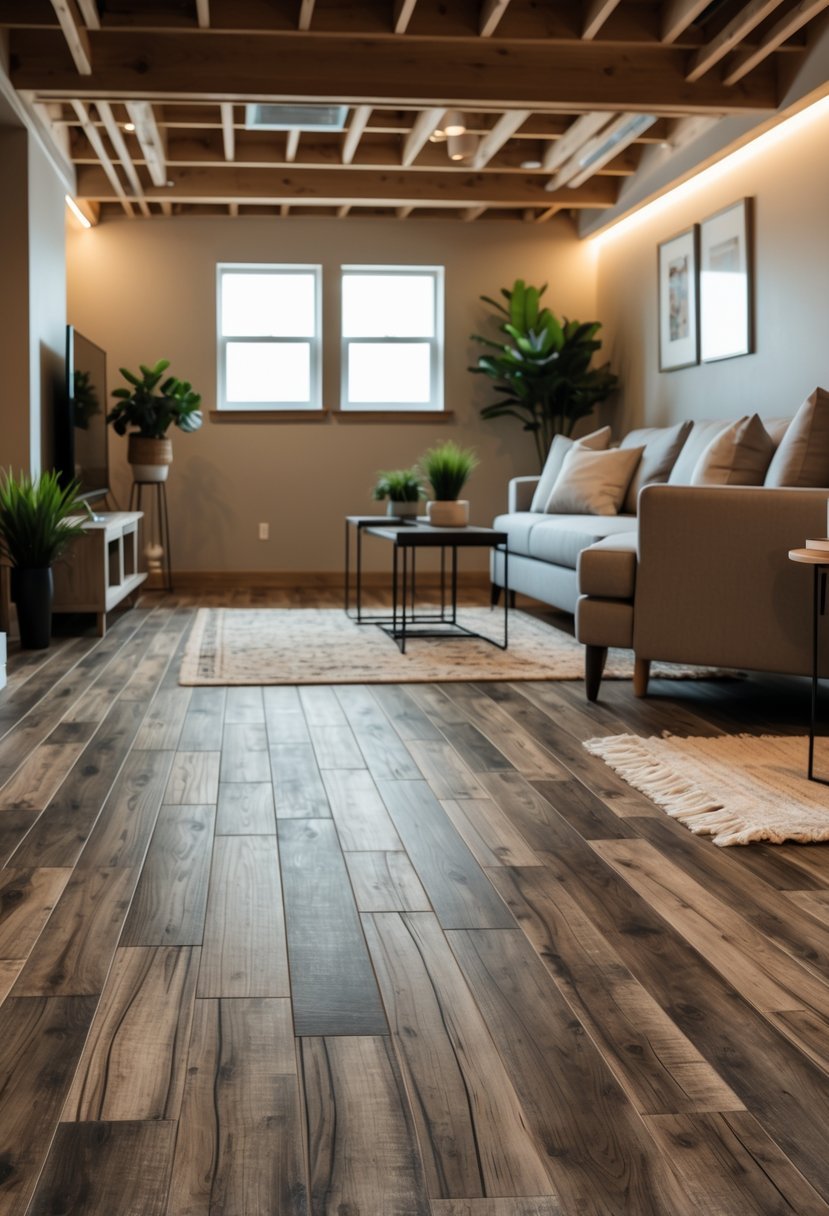
I prefer luxury vinyl plank (LVP) flooring for basements because it combines durability with the aesthetic of real wood. The waterproof feature is essential since basements are prone to moisture issues.
The wood-look options are very convincing, with textures and grain patterns that mirror authentic hardwood. You can find a range of finishes, from classic oak to weathered gray, fitting various styles.
Installation is straightforward, making it a practical choice for DIY projects. LVP offers a balance of style, function, and affordability that traditional wood often can’t match in a basement environment.
3) Bamboo flooring for eco-friendliness
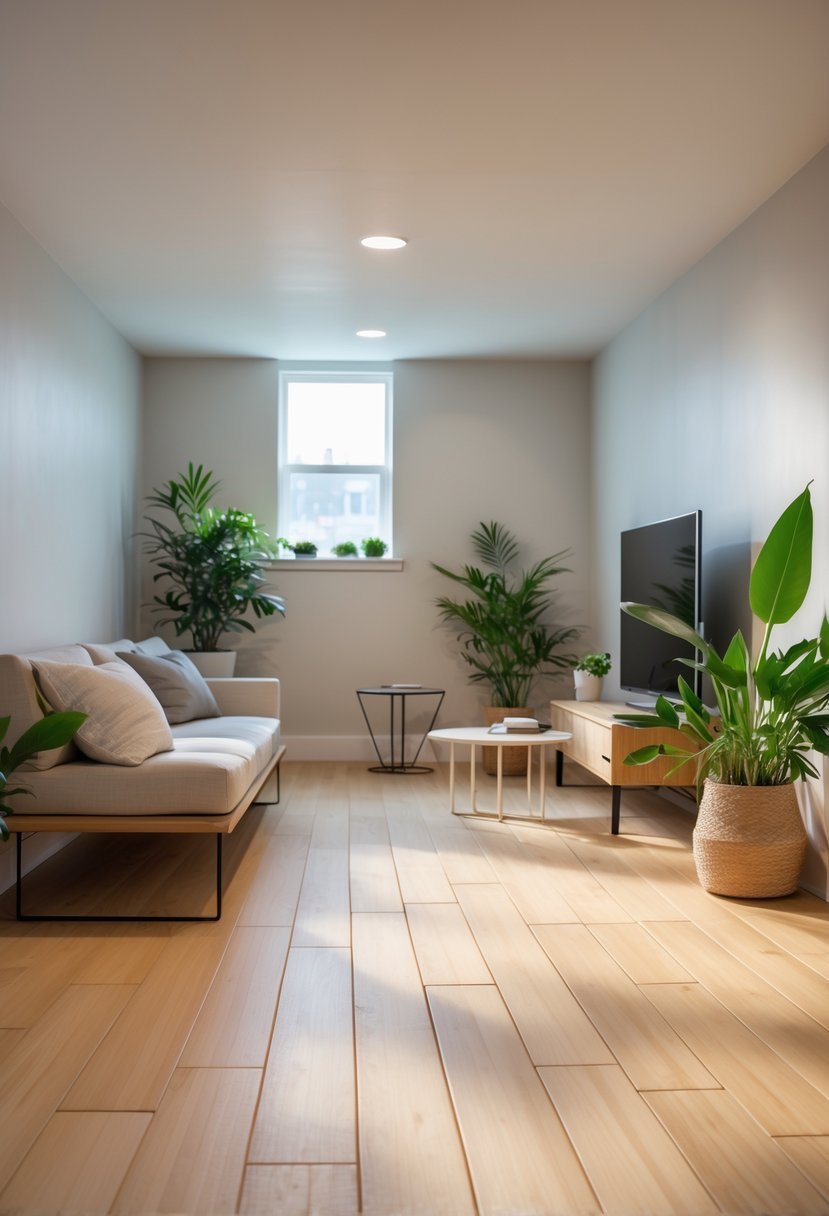
I choose bamboo flooring for its sustainability. Bamboo grows quickly, reaching maturity in about five years, which is much faster than traditional hardwood trees.
This rapid growth means it can be harvested more often without depleting forests. In my experience, bamboo flooring is durable and visually appealing.
It comes in different styles like natural and carbonized, allowing flexibility in design. Plus, it doesn’t require pesticides or chemicals during growth, which supports a healthier environment.
Using bamboo also supports eco-friendly manufacturing practices, especially with engineered options that use less wood overall.
4) Cork flooring for natural warmth
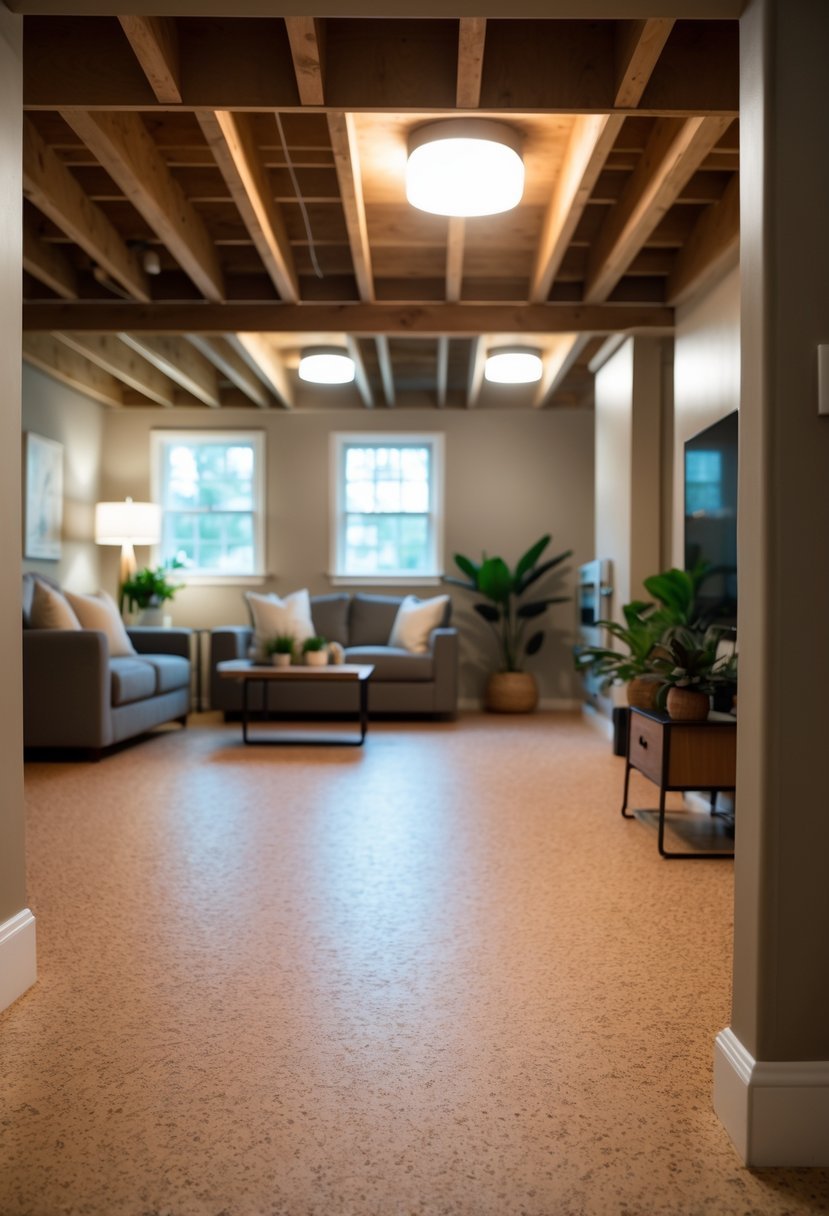
I find cork flooring to be an excellent choice for basements wanting a natural warmth. Its soft, cushioned surface feels comfortable underfoot, which is perfect for standing or walking over long periods.
Cork is also a sustainable material, harvested from the bark of cork oak trees without harming them. This makes it an eco-friendly option that aligns with modern design values.
Besides warmth, cork naturally insulates and absorbs sound, helping to maintain a cozy and quiet basement environment. It resists mold growth, which is crucial in a damp basement setting.
I always recommend acclimating cork before installation to avoid issues related to moisture and humidity.
5) Prefinished oak hardwood for classic appeal
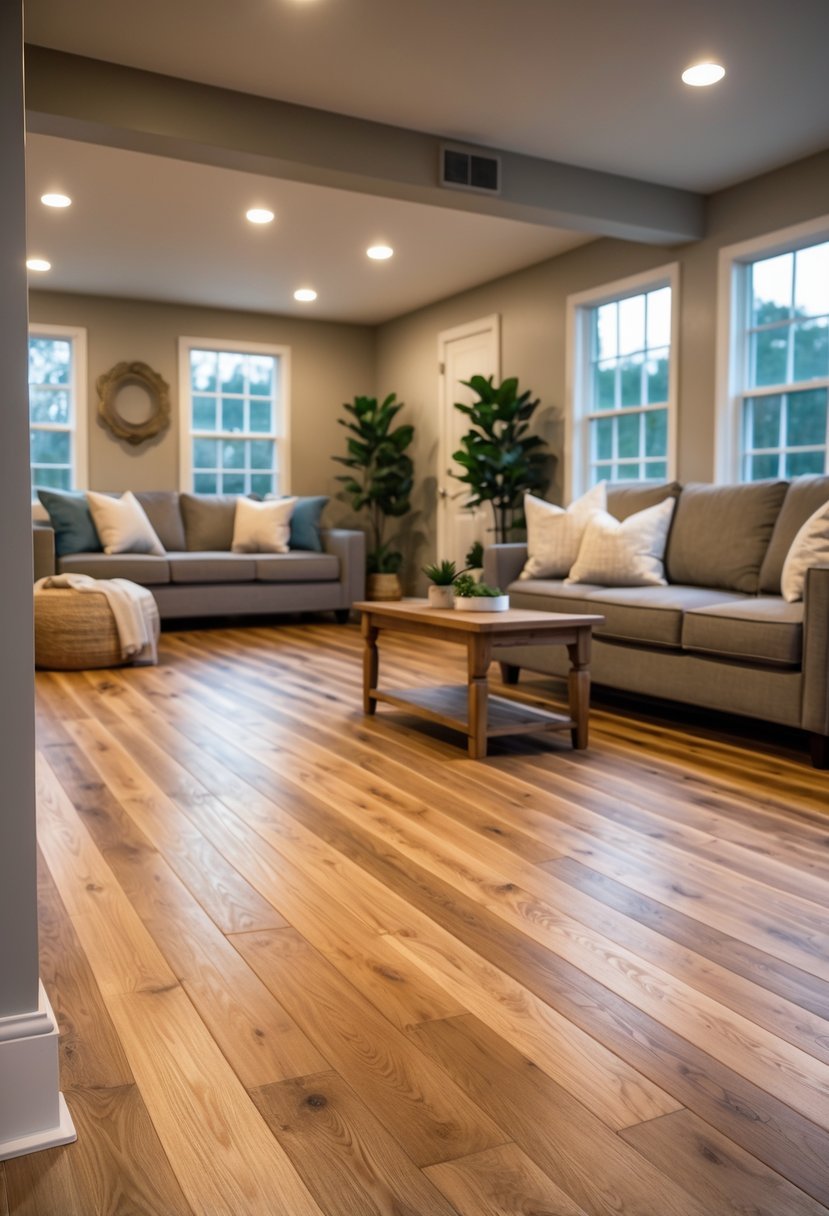
I often recommend prefinished oak hardwood when someone wants timeless style for their basement floor. Oak is known for its durability and classic beauty, making it a solid choice that fits many design themes.
Prefinished oak comes with a smooth, factory-applied finish. This saves me time on installation and reduces mess.
The finish is also durable, which helps the floor maintain its look for years. I appreciate the variety of tones and textures available in prefinished oak.
Whether you prefer a rustic or more refined look, oak adapts well. Its natural warmth adds a welcoming feel to any basement space.
6) Laminate wood flooring with waterproof core
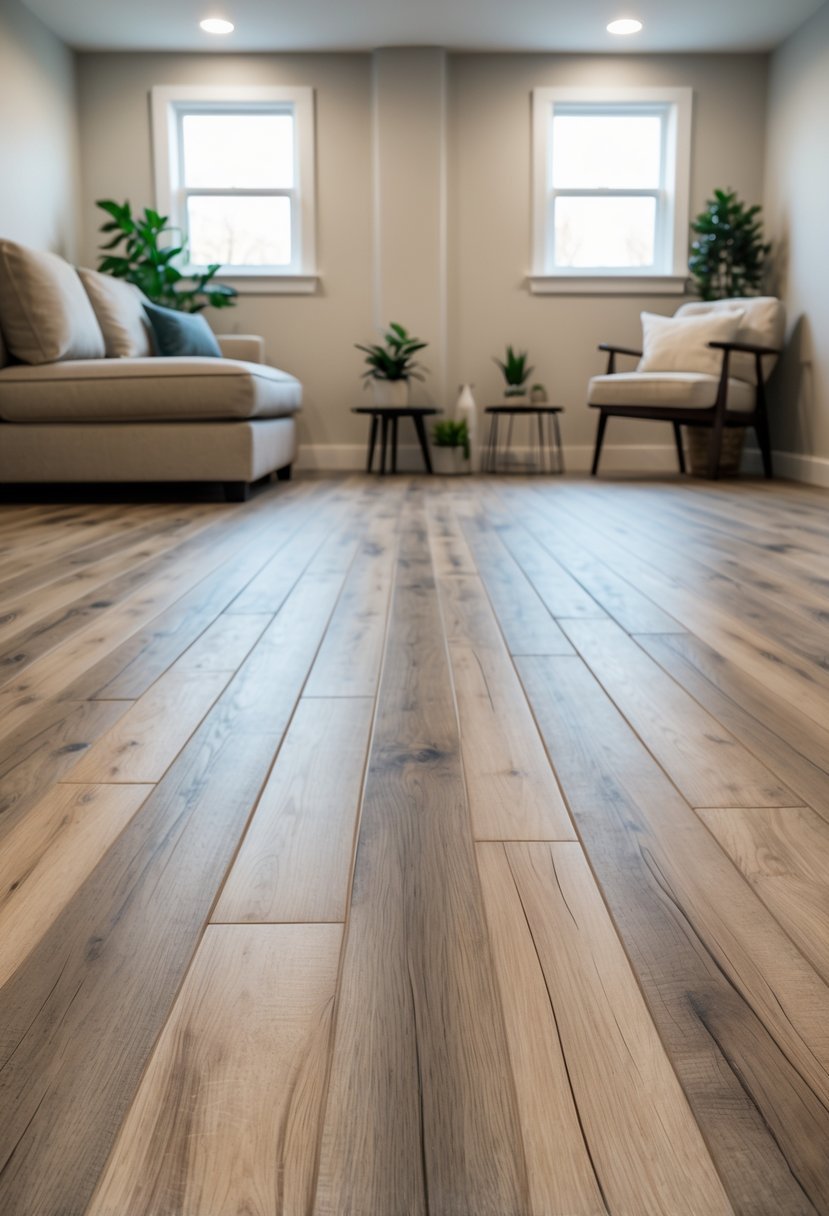
I recommend laminate wood flooring with a waterproof core for basements. This type of flooring features a specially designed core that resists water infiltration, reducing the risk of swelling or warping.
The edges of these planks are tightly sealed, which adds extra protection against moisture. I appreciate the variety of realistic wood patterns available, allowing for a stylish, natural wood look without the vulnerability of traditional laminate.
Installation is straightforward, often using click-lock systems, making it easier for DIY projects.
7) Reclaimed wood planks for rustic style
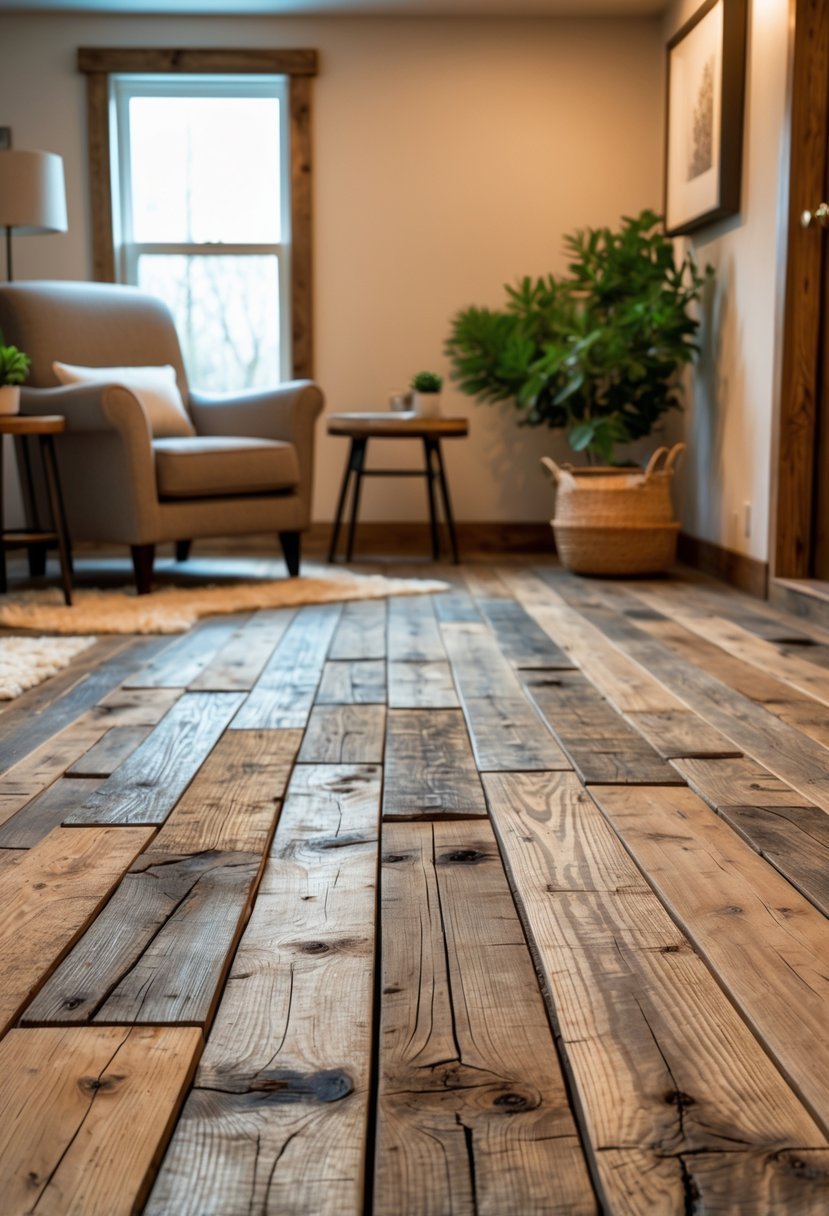
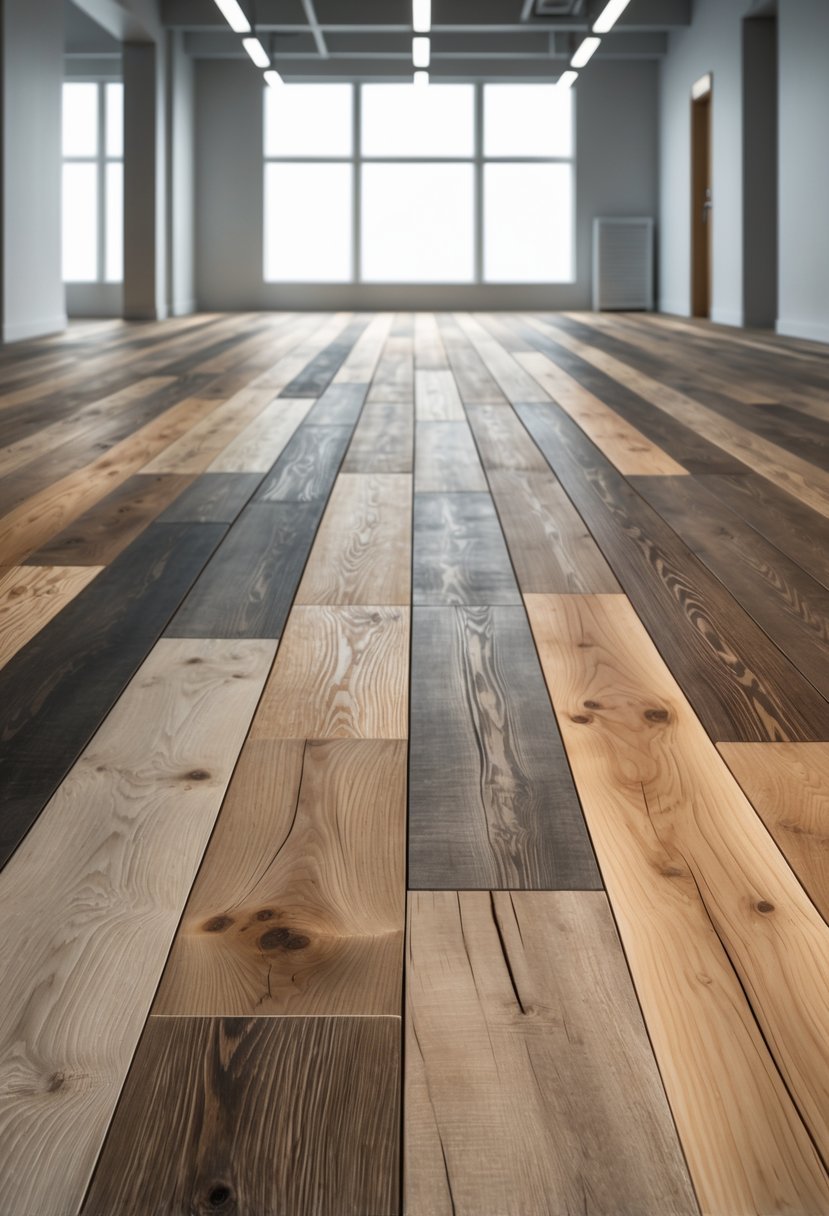
I often recommend reclaimed wood planks when aiming for a rustic basement floor. These planks carry natural textures and patina from their previous life, adding authentic character to the room.
Using reclaimed wood also supports sustainability, giving old materials a new purpose. The variety of wood types and finishes lets me customize the look, whether I want something weathered or more polished.
In basements, reclaimed wood works well because it balances durability with charm. I usually combine wide or hand-scraped boards to emphasize the rustic feel.
8) Hand-scraped hardwood for texture
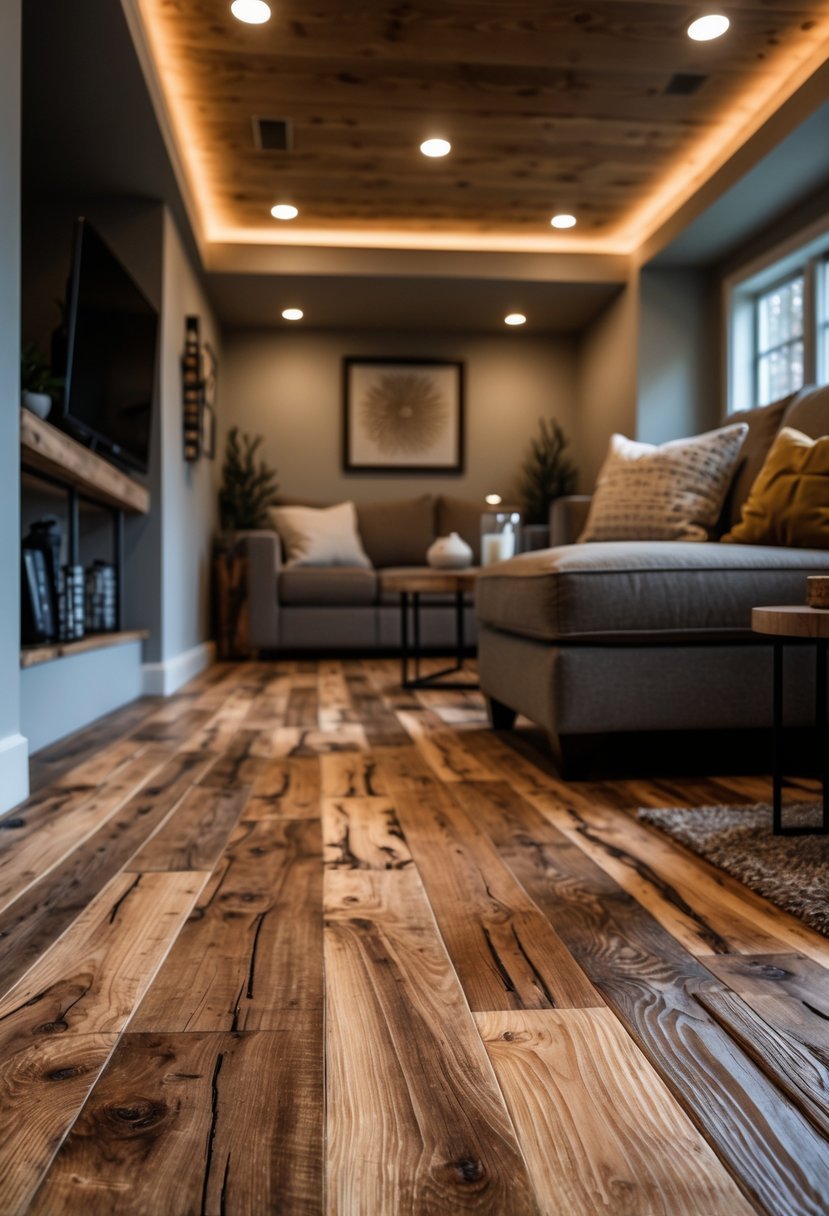
I appreciate hand-scraped hardwood floors for the unique texture they bring to a basement. Each plank shows subtle grooves and imperfections, adding depth that smooth wood often lacks.
The handcrafted nature means no two pieces are exactly alike. This creates an authentic look that fits well in both rustic and modern designs.
It also helps hide minor wear from foot traffic, making it practical for basement use. I find the slightly distressed feel of hand-scraped wood adds character without overwhelming.
9) Floating wood floors over moisture barriers
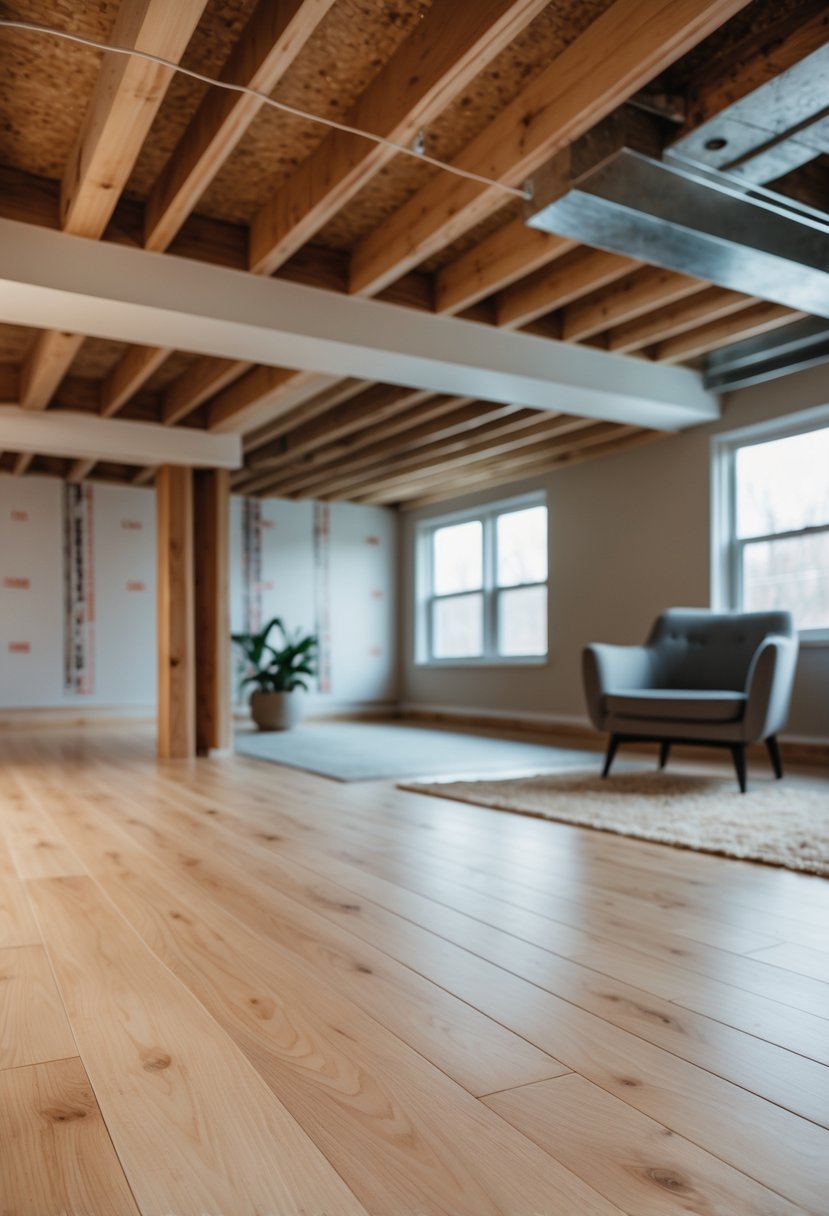
I recommend floating wood floors for basements because they offer flexibility and easy installation. The key is to use a quality moisture barrier beneath the flooring.
This prevents water vapor from damaging the wood and causing warping or mold. Before installing, I always make sure the concrete slab is clean, dry, and level.
Then, I lay down a polyethylene vapor barrier, typically 6 mil or thicker. Over this, I install a floating subfloor like plywood to provide stability and separate the wood from the concrete movement.
This system works well with engineered hardwood or laminate designed for basements. It balances moisture protection with a warm wood finish.
10) Whitewashed wood flooring for brightness
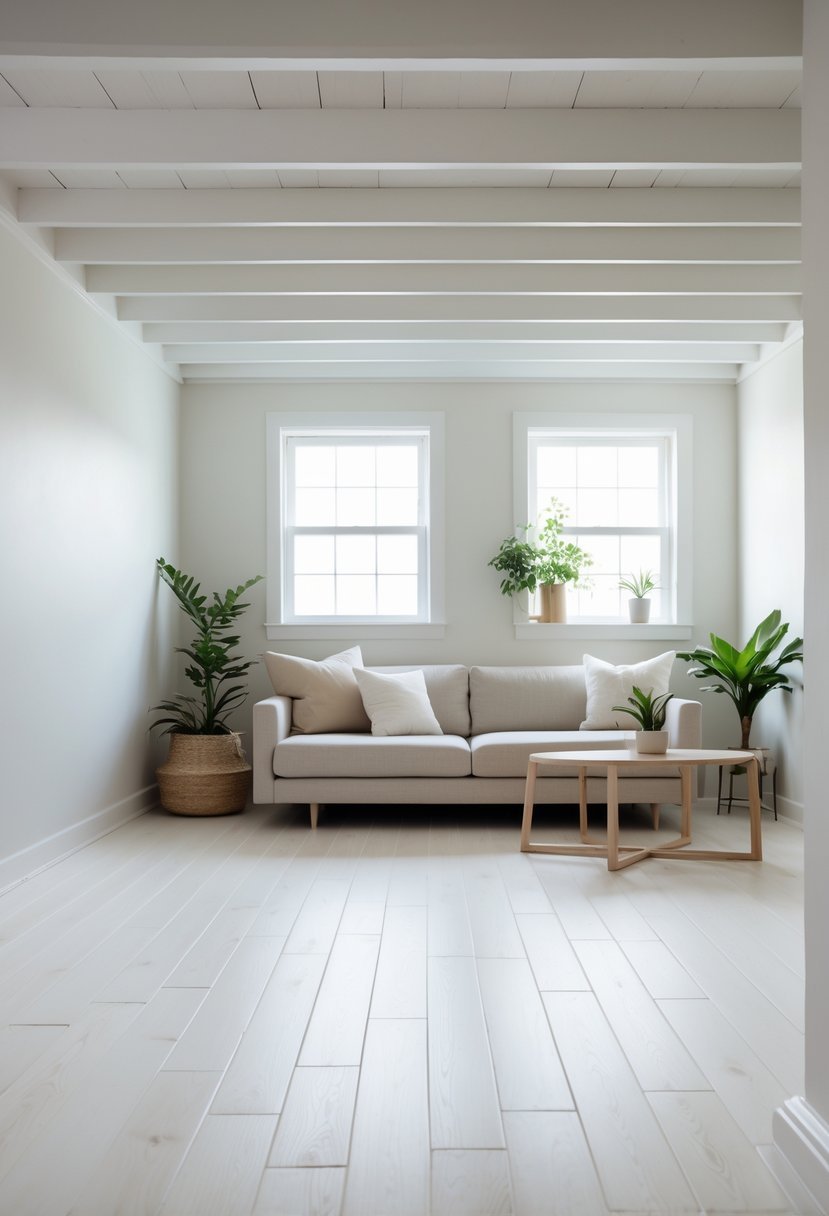
I find whitewashed wood floors an excellent choice to brighten a basement space. The light, translucent finish highlights the wood grain while making the room feel more open and airy.
This style works well with various design schemes, from modern to rustic. The subtle white tones reflect light, which is especially helpful in basements that often lack natural sunlight.
Applying a whitewashed finish lets me keep the wood’s natural texture visible without a heavy paint layer. It’s a practical way to refresh the floor without major renovation.