20 Narrow Living Room Ideas That Maximize Space and Style
A narrow living room can be a challenging space to design and decorate. With limited space to work with, it can be difficult to create a functional and visually appealing living area. However, with a bit of creativity and the right ideas, a narrow living room can be transformed into a stylish and inviting space.
Living in a narrow living room presents unique challenges that require thoughtful planning. I understand how difficult it can be to create a space that feels both comfortable and functional without overwhelming the limited area.
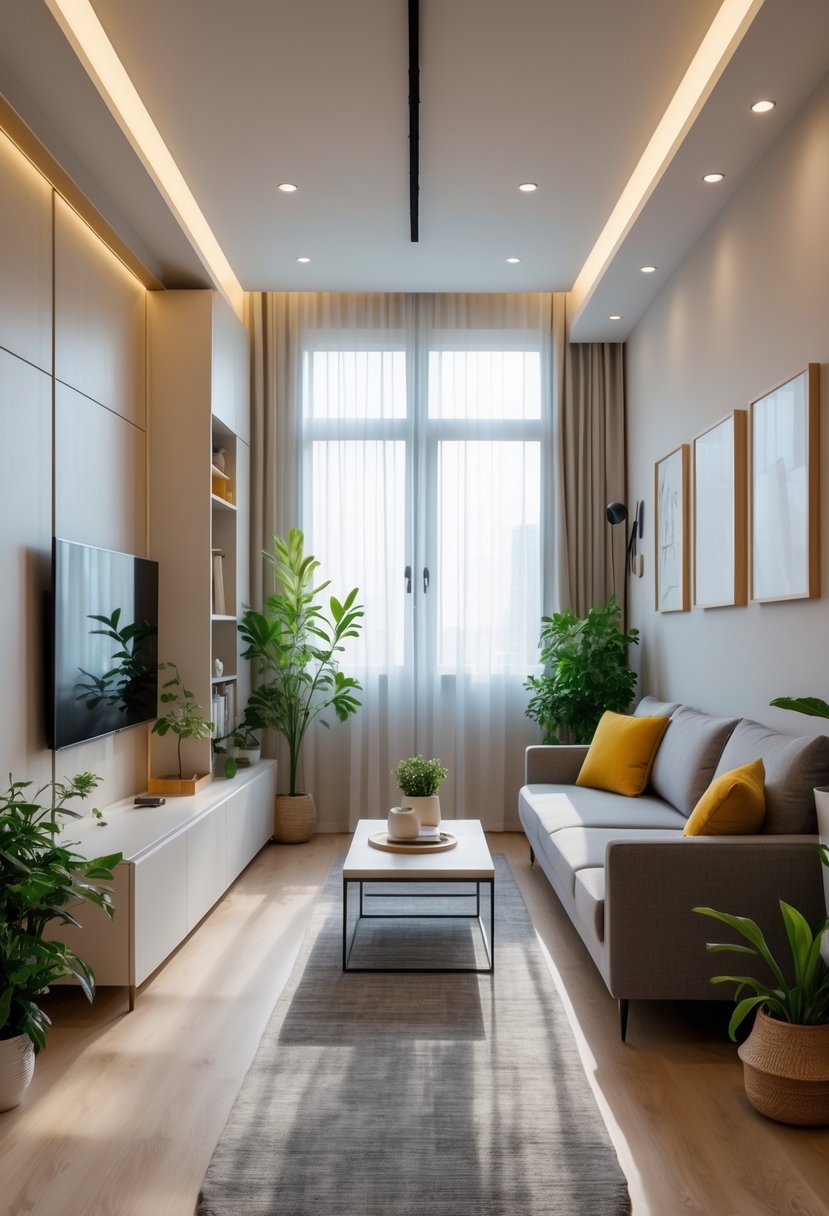
The key to making a narrow living room work well is using smart design choices that maximize space while maintaining style. In the following ideas, I will share practical approaches to help you transform a tight space into a room that feels inviting and efficient.
Table of Contents
1) Use mirrored walls to create the illusion of extra width
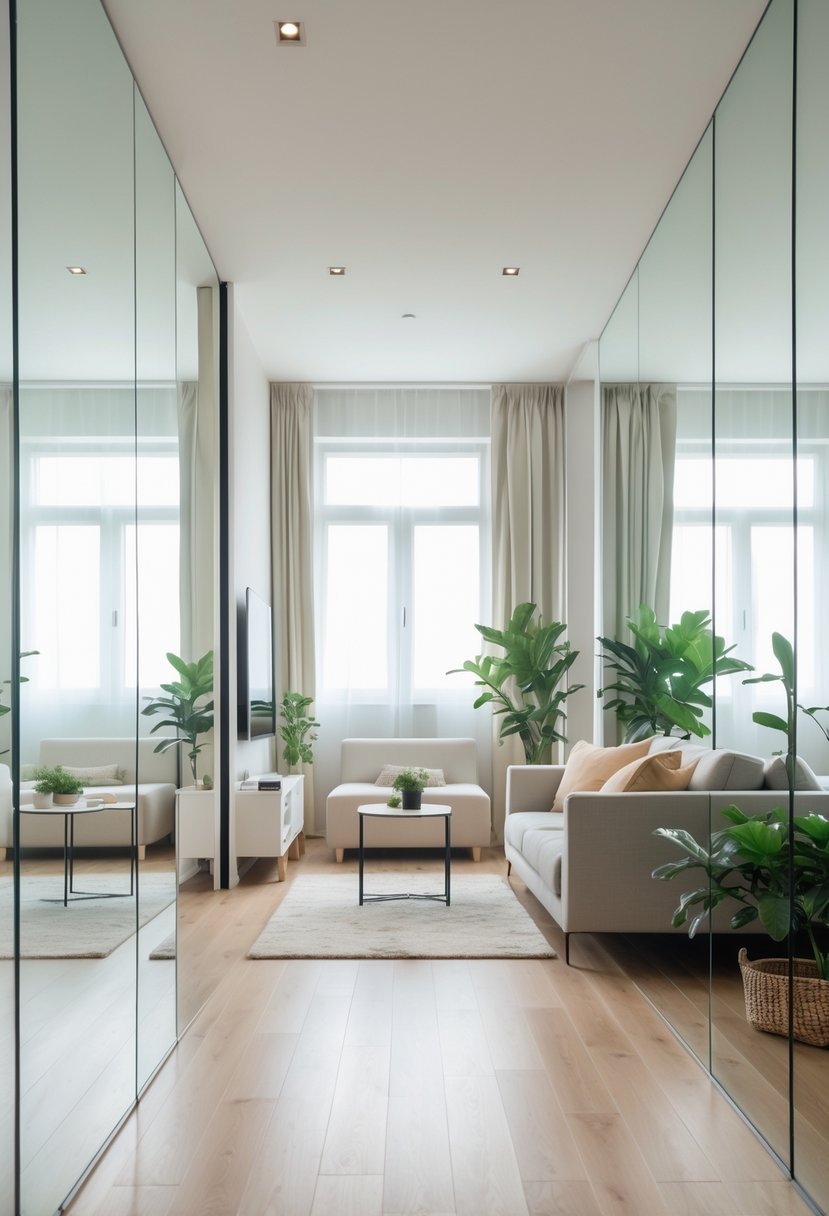
I find mirrored walls extremely effective in making narrow living rooms feel wider. By reflecting light and the room’s interior, they visually double the space.
Placing a large mirror on one wall creates depth that tricks the eye into seeing more width. Opposite windows, mirrors bounce natural light further into the room, brightening shadowed areas.
In my experience, horizontal mirrors work particularly well above sofas or low furniture. Mirrored panels behind key pieces also add subtle depth and a feeling of openness.
2) Opt for slim, low-profile furniture to maximize floor space
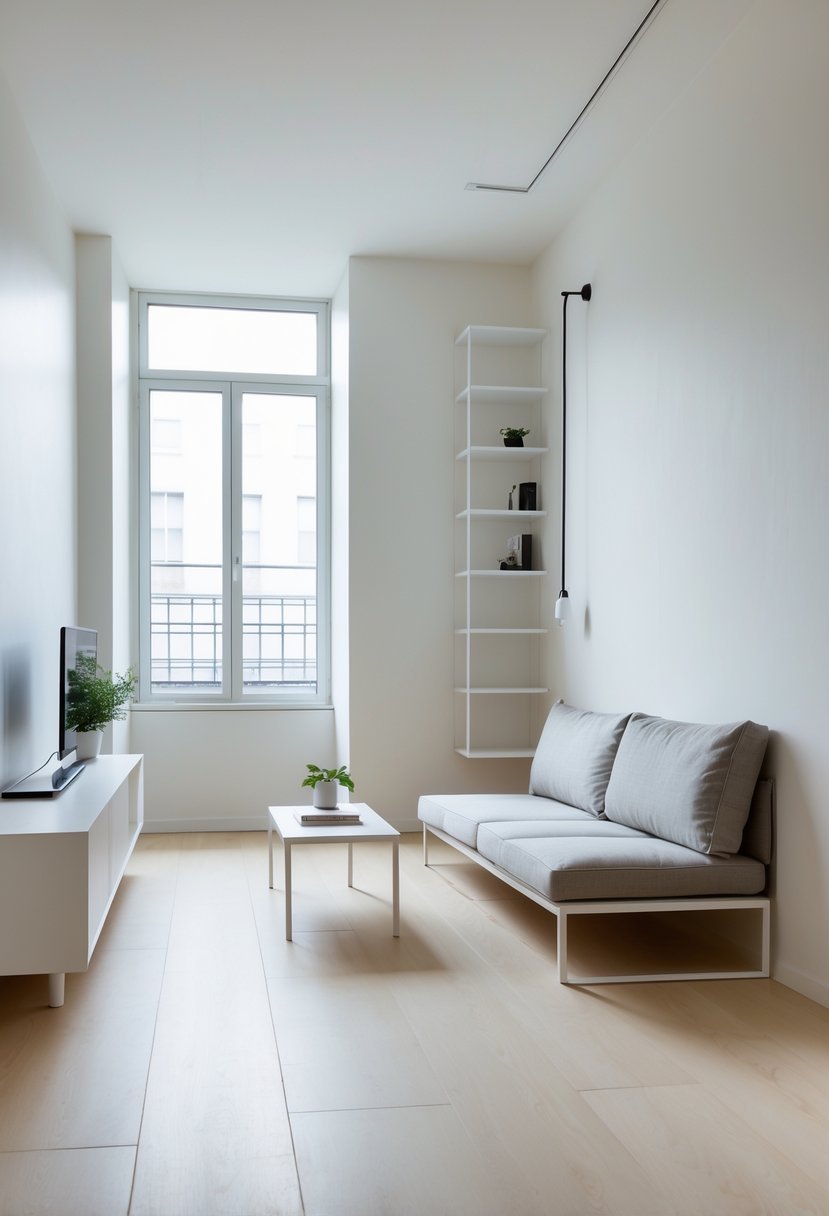
I always recommend choosing slim, low-profile furniture for narrow living rooms. Pieces with narrow arms and legs help keep the floor visible, making the room feel less crowded.
Low sofas and chairs work well because they don’t block sightlines or light flow. This creates an open, airy atmosphere even in tight spaces.
Furniture with clean, horizontal lines supports a wider appearance. When placed against walls, straight-back sofas clear pathways, improving movement and usability.
Selecting lightweight, streamlined pieces is key. It’s a simple design choice that keeps the room functional without overwhelming it.
3) Arrange seating parallel to the longest wall for flow
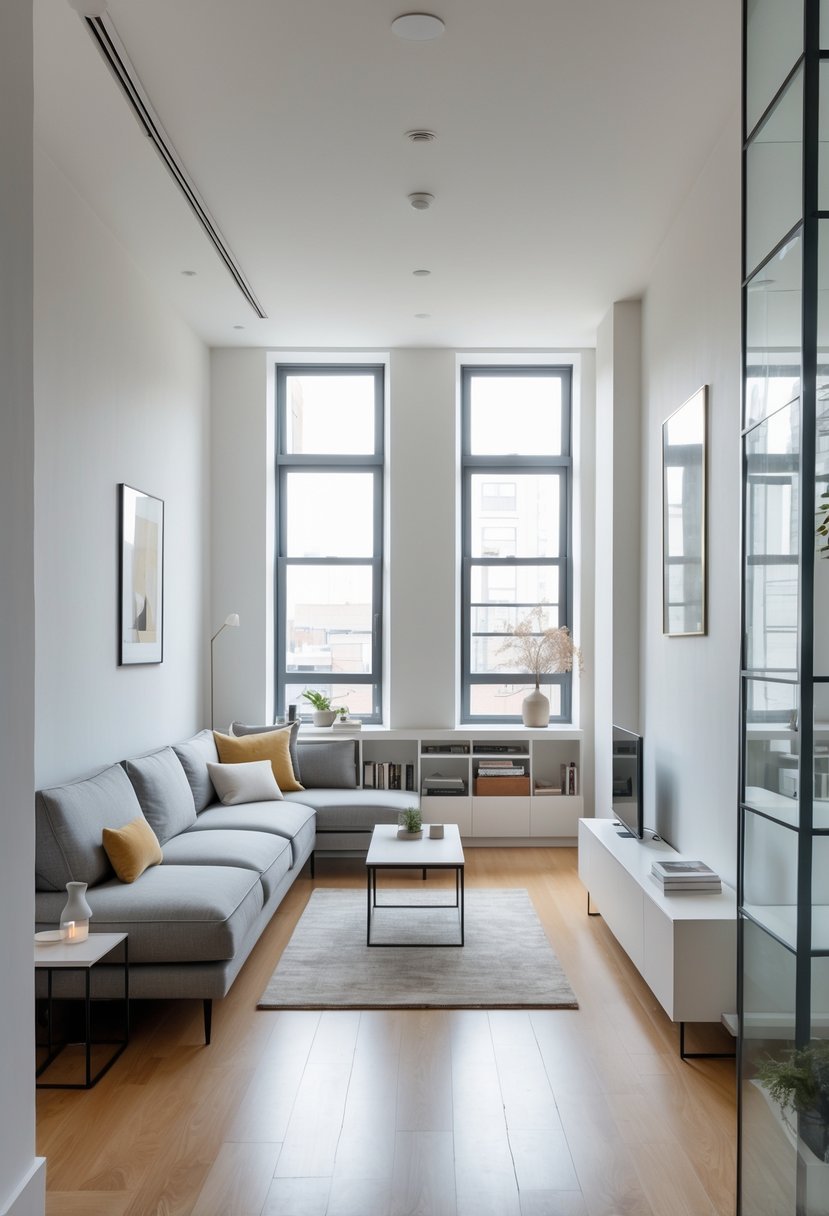
Arranging seating parallel to the longest wall helps create a natural flow in a narrow living room. This setup promotes easier movement through the space, reducing clutter and awkward gaps.
Placing sofas or chairs along the length of the room can frame a clear pathway. It also balances the room when windows or fireplaces are centered on that wall.
This layout encourages conversation while making the space feel organized and intentional. I recommend keeping the furniture slightly away from the walls to avoid a cramped look and enhance comfort.
4) Incorporate vertical shelving to free up ground area
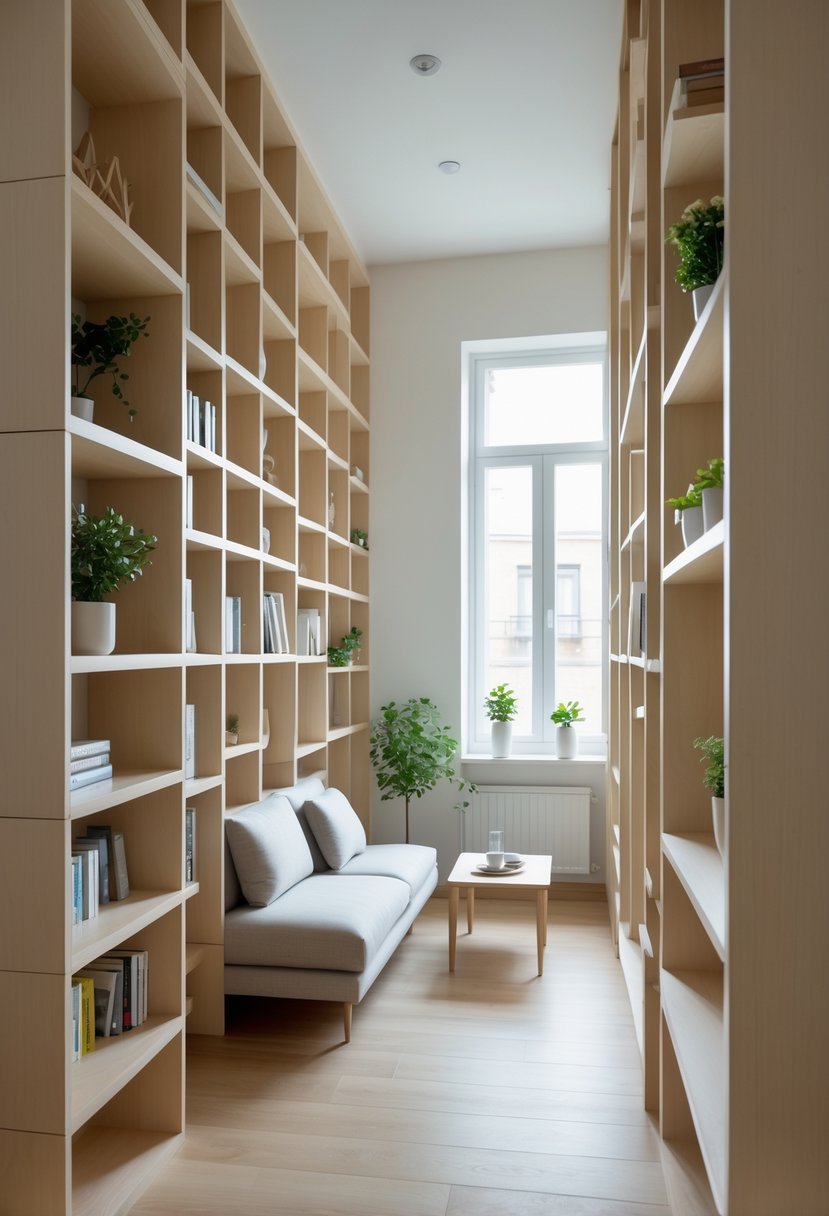
Vertical shelving is essential for narrow living rooms. Using tall or wall-mounted shelves allows storage without cluttering the floor.
Floating shelves or ladder-style units can fit in tight spaces while giving the walls a clean, organized look. They also add visual height to the room, making it feel less cramped.
By keeping items off the ground, I create more floor space for movement or additional furniture. It’s a practical way to balance storage and openness in a narrow layout.
5) Choose light, neutral paint colors to brighten the room
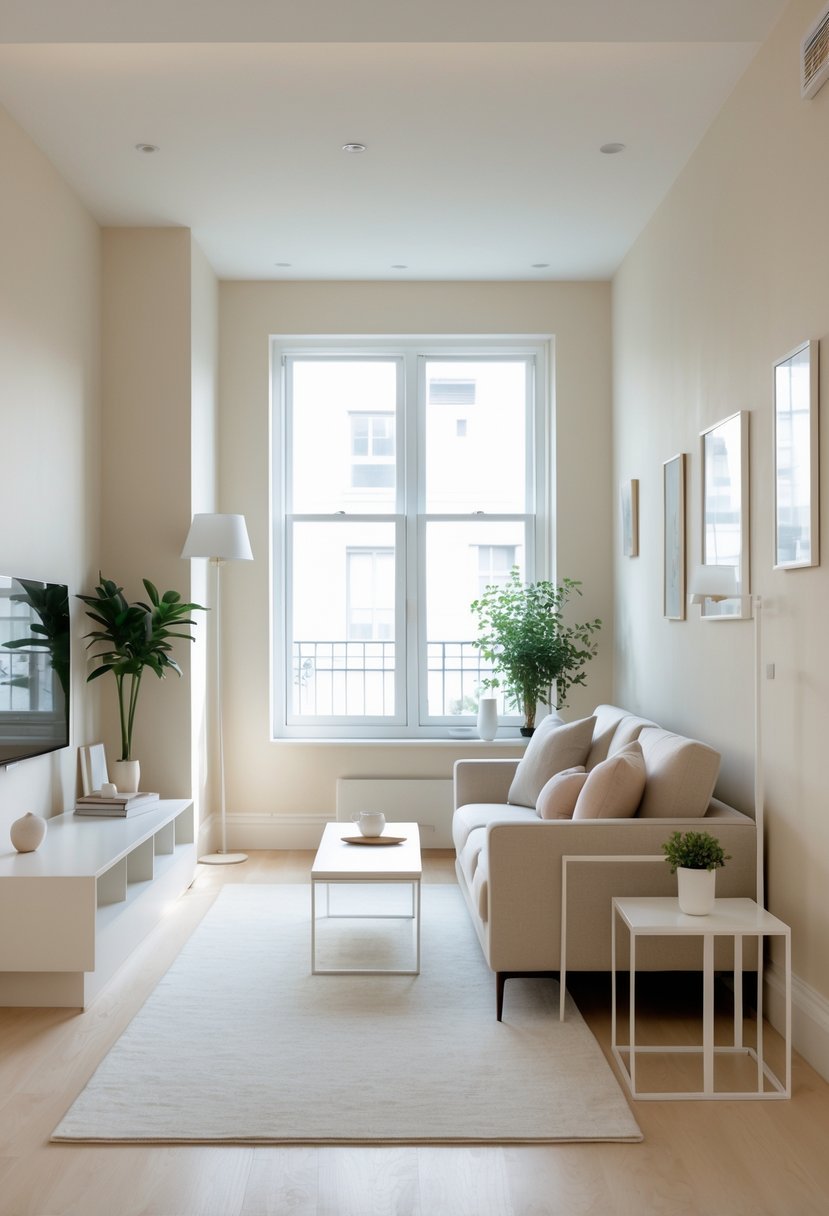
I always recommend using light, neutral paint colors in narrow living rooms. These shades help reflect the available light and prevent the space from feeling cramped or dark.
Neutrals like soft grays, off-whites, and warm beiges create a clean backdrop. They make the walls appear to recede, which visually expands the room.
In low-light areas, choosing the right neutral is essential. Some can look flat without natural light, but others subtly enhance brightness and warmth.
6) Use rugs to define distinct zones within the space
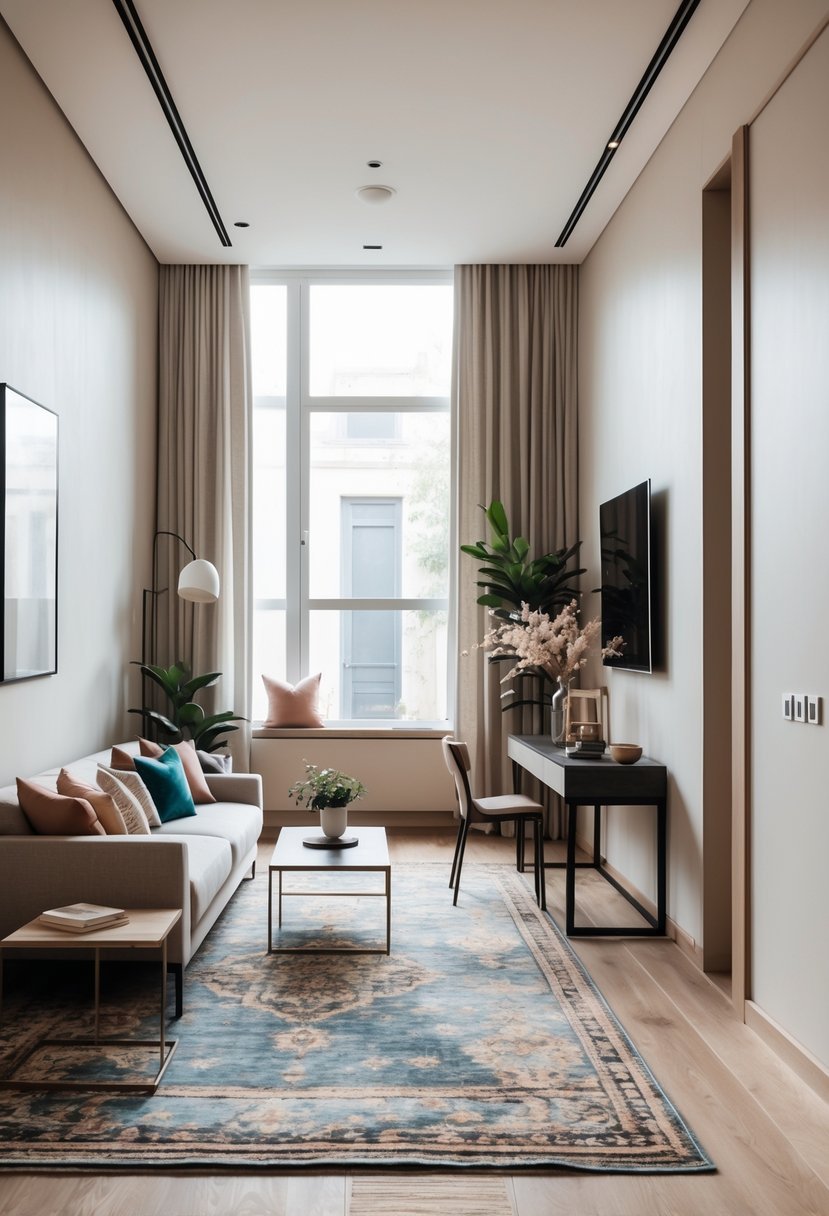
Rugs are a practical way to break up a narrow living room into clear zones. Placing a rug under the seating area instantly marks it as a separate space without needing walls.
Using different rugs for dining and lounging areas helps maintain boundaries while keeping the room open. I also pay attention to size and pattern to ensure each zone feels intentional yet cohesive.
Smaller rugs layer well to create depth and separate activities. This method keeps the room organized and visually interesting.
7) Install multiple light sources for balanced illumination
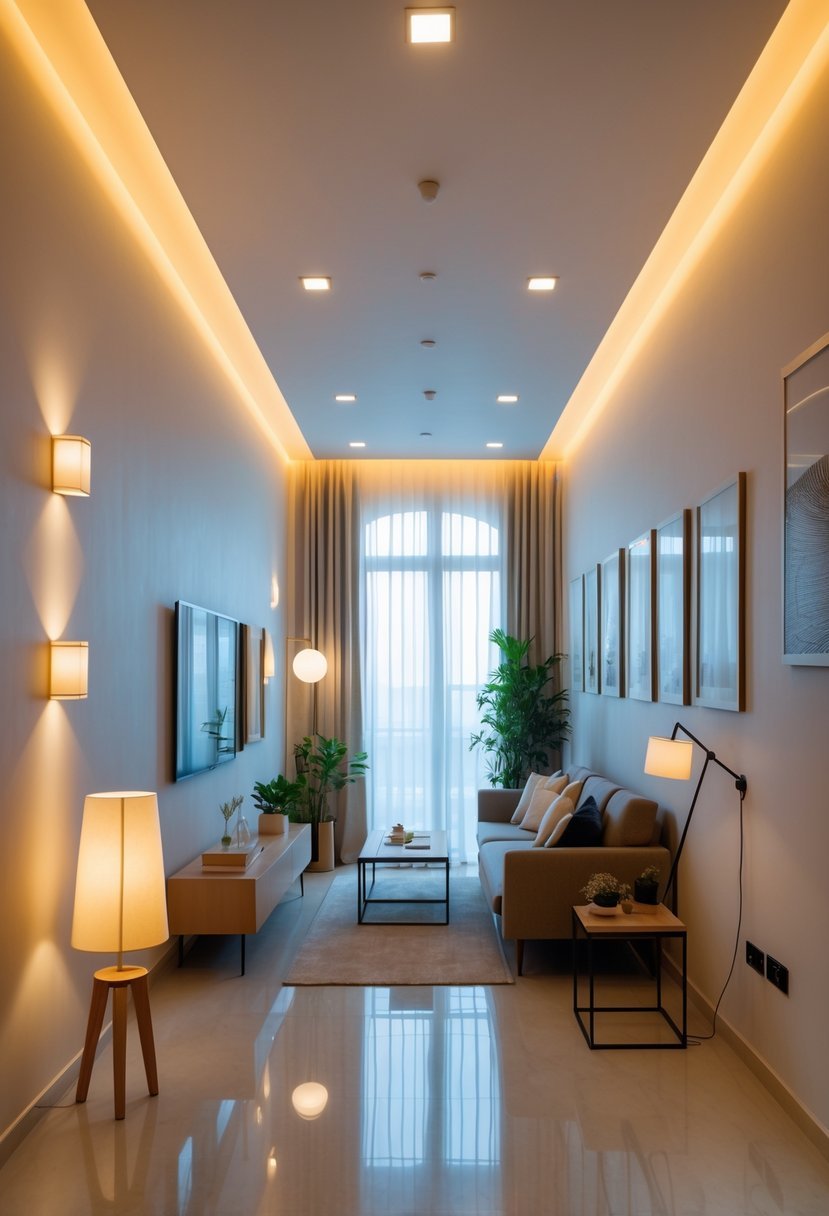
Layering different types of lighting achieves balanced illumination in narrow living rooms. Using a combination of ambient, task, and accent lights helps avoid harsh shadows and flat lighting.
Overhead lights provide general brightness, but adding table lamps or floor lamps introduces warmth and depth. These multiple pools of light create a more inviting and functional space.
I also consider the placement carefully to ensure each area is well-lit without overwhelming the room.
8) Go for transparent furniture like glass tables to reduce visual bulk
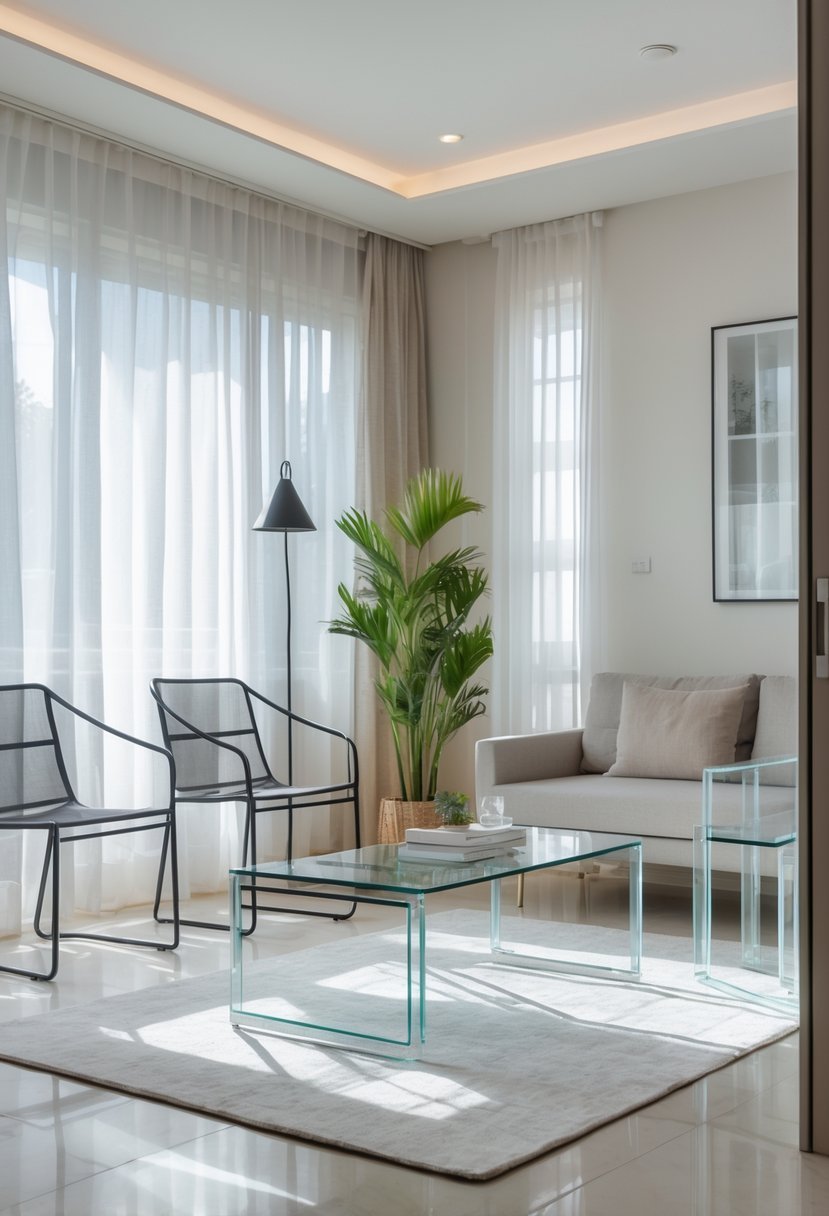
Transparent furniture like glass or acrylic tables is very effective in narrow living rooms. These pieces let light flow through, visually opening up the space without adding clutter.
A glass coffee table provides a surface without blocking sightlines. It helps the room feel less crowded while still being functional.
I also prefer furniture with slim or tapered legs, as it retains style without overwhelming the room. Transparent materials create an airy atmosphere and maintain a clean, modern look.
9) Hang artwork at eye level to draw attention outward
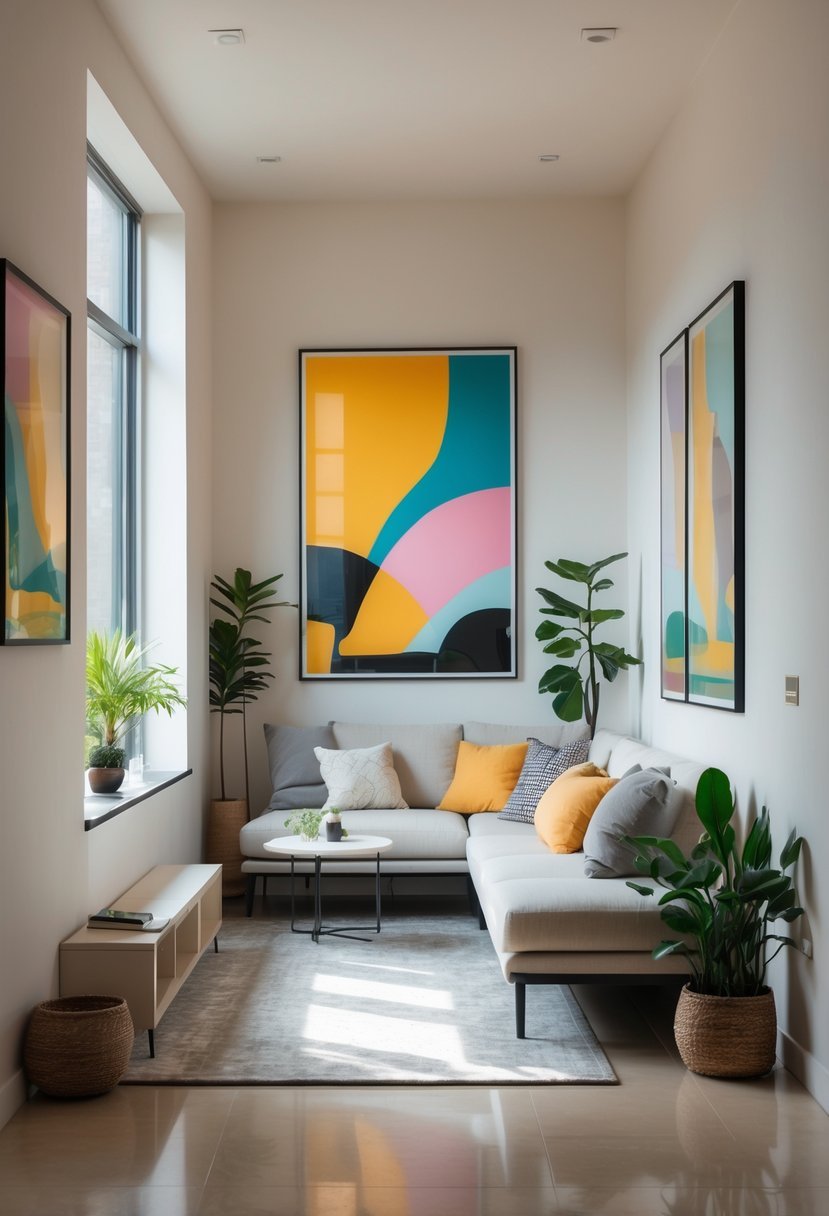
Hanging artwork at eye level creates a natural focal point in a narrow living room. This placement helps draw the eye outward, making the space feel more balanced and intentional.
The ideal height is generally between 57 and 60 inches from the floor. This range works well whether guests are standing or sitting.
Choosing pieces proportional to the wall size is crucial. Small or narrow art arranged thoughtfully keeps the room from feeling crowded while adding personality.
10) Position sofas away from walls to open pathways
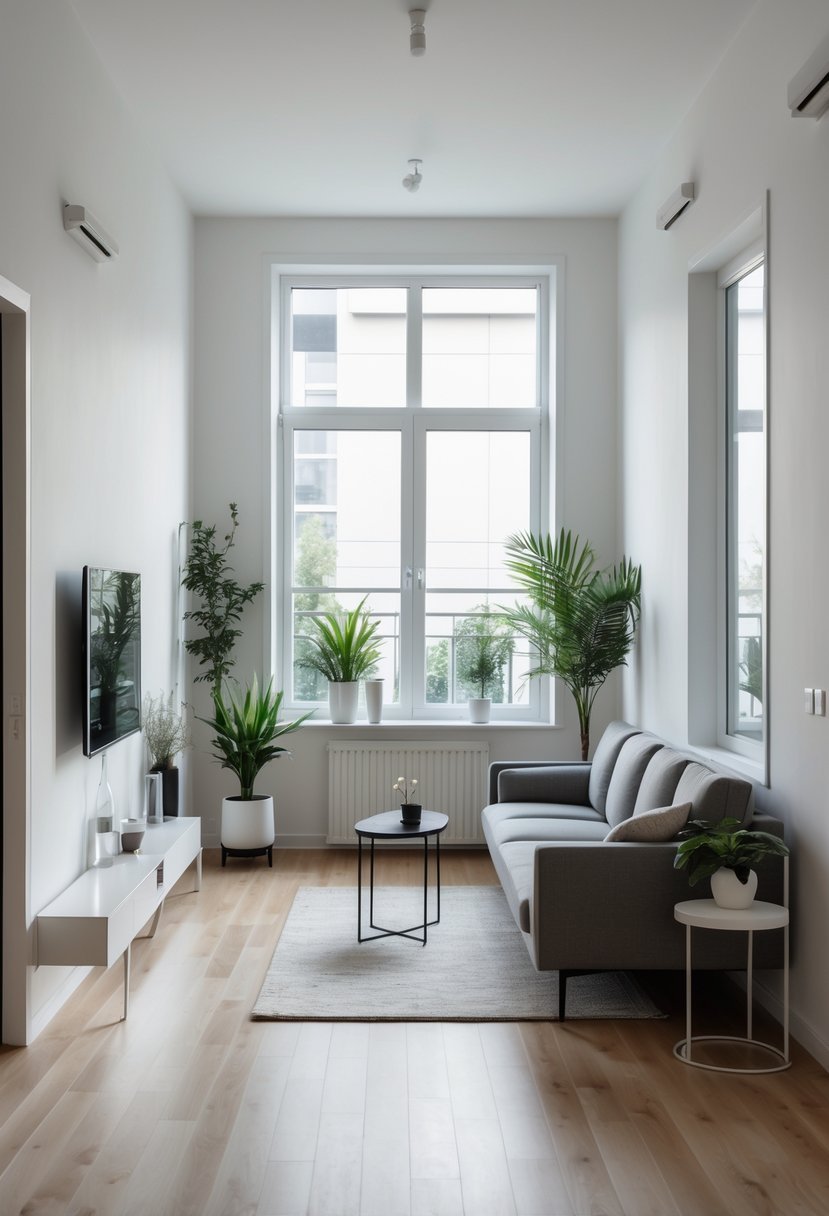
Placing sofas slightly away from the walls can make a narrow living room feel more open. This arrangement creates clear pathways for movement, reducing the feeling of being boxed in.
Floating furniture allows light to flow around the space better. It also invites a more flexible use of the room since the central area stays accessible.
Choosing slim, elevated sofas supports this effect, keeping the space airy and less cluttered. The room instantly feels more balanced and comfortable to navigate.
Design Principles for Narrow Living Rooms
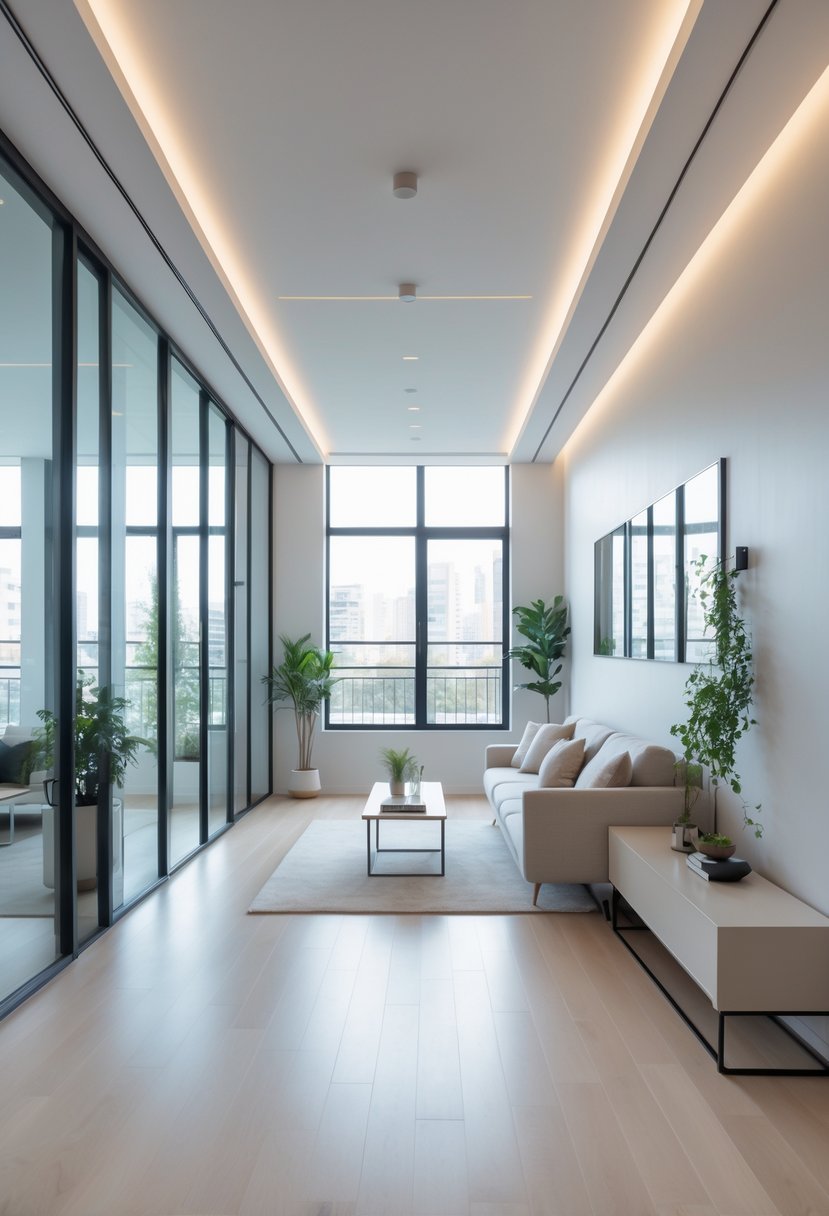
When designing a narrow living room, careful attention to furniture placement and visual elements makes all the difference. Thoughtful layout choices can open up the space, while deliberate color and lighting selections enhance the room’s sense of width and brightness.
Layout Strategies
I focus on arranging furniture to maintain clear pathways and avoid overcrowding. Placing larger pieces like sofas against the longest wall creates a natural flow and prevents obstruction.
Using slim, multi-functional furniture such as nesting tables or narrow console tables saves space without sacrificing usability. Vertical storage is a key strategy.
Shelving units or wall-mounted cabinets draw the eye upwards, making the room feel taller. I often incorporate open storage or glass-front cabinets to avoid adding visual bulk.
Zoning helps too. Defining areas with rugs or lighting subtly breaks the narrow space into functional sections without walls.
Color and Lighting Choices
I prioritize light, neutral colors on walls and ceilings to expand the perceived space. Soft hues like pale gray, beige, or off-white reflect natural light better and reduce the feeling of enclosure.
Accent colors are best used sparingly, to create focal points without overwhelming the room. Keeping larger elements monochromatic while adding color through cushions or artwork works well.
Lighting is critical. Layering sources such as recessed lights, wall sconces, and floor lamps ensures even illumination across the room.
Avoiding heavy drapery lets in maximum daylight, which brightens the space and reduces shadows that can make walls appear closer.
Common Mistakes to Avoid in Small Spaces
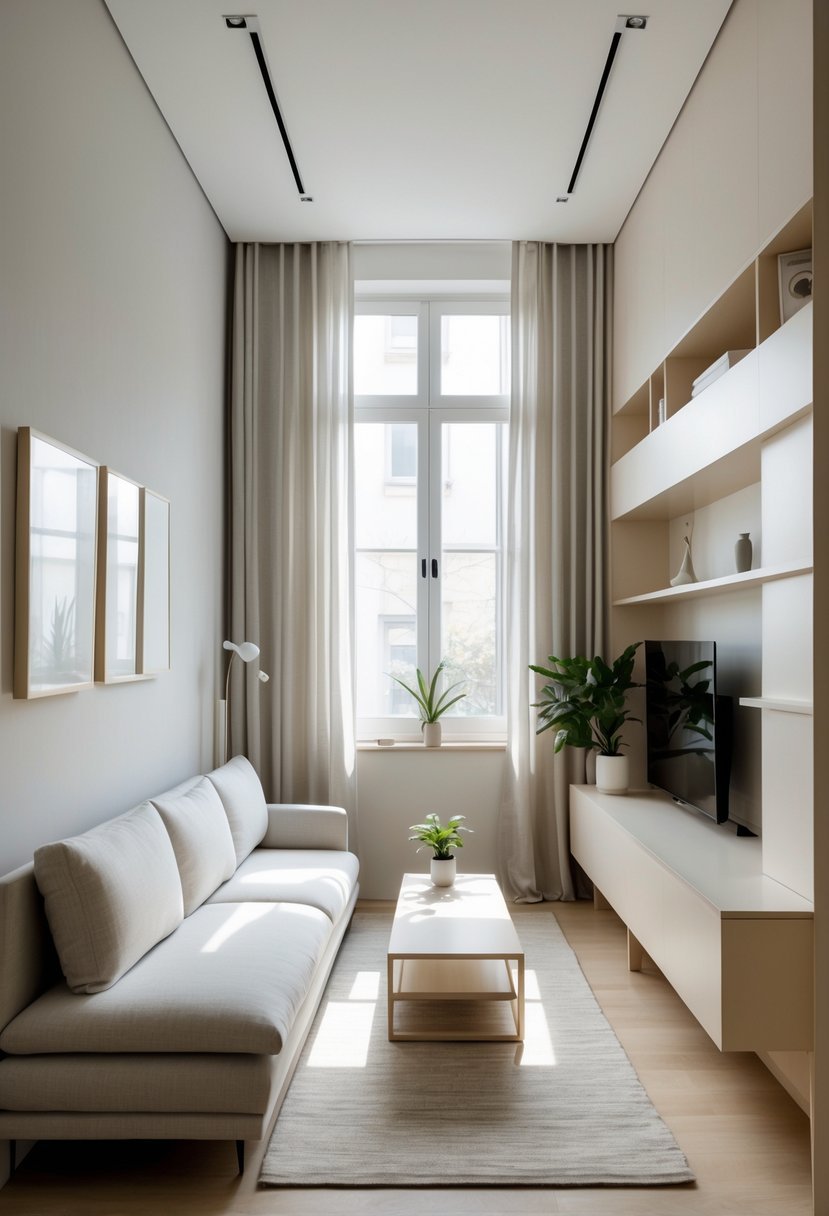
When working with a narrow living room, mistakes often come down to how furniture and space are handled. Choosing the wrong pieces or ignoring key areas like walls can make the room feel even smaller and less functional.
Overfurnishing
One of the biggest pitfalls in a narrow living room is adding too much furniture. It’s tempting to fill the space with seating, tables, or storage, but this usually leads to a cramped, cluttered feel.
I focus on selecting only essential pieces that fit the scale of the room. Choosing bulky sofas or oversized chairs cuts into valuable walking space and makes movement difficult.
Instead, I prefer slim-profile furniture with clean lines. Multi-functional items, such as storage ottomans or foldable tables, also help maximize usability without overcrowding.
Placement is key, too. I avoid blocking pathways or creating tight squeezes by keeping at least 18–24 inches of clearance between items. A minimalist approach opens up the floor and prevents the room from feeling heavy or chaotic.
Ignoring Vertical Space
Failing to use vertical space is a common mistake that wastes critical room potential. Narrow rooms don’t have much width, so looking up is a smart way to add storage and design interest without eating into the floor area.
I take advantage of walls by installing tall, narrow shelving units or floating shelves. This keeps items off the ground and draws the eye upward, making the space feel taller and more open. Hanging artwork or mirrors high on walls also contributes to this effect.Using hooks or wall-mounted organizers can clear clutter from tables and floors. Ignoring this opportunity often results in leftover clutter that crowds limited space on the floor.
Maximize Natural Light
One of the best ways to make a narrow living room feel more spacious is by maximizing natural light. This can be achieved by choosing light and airy window treatments, such as sheer curtains or blinds, and keeping windows free of any obstructions. Additionally, using light-colored furniture and decor can help reflect light and create the illusion of a larger space.
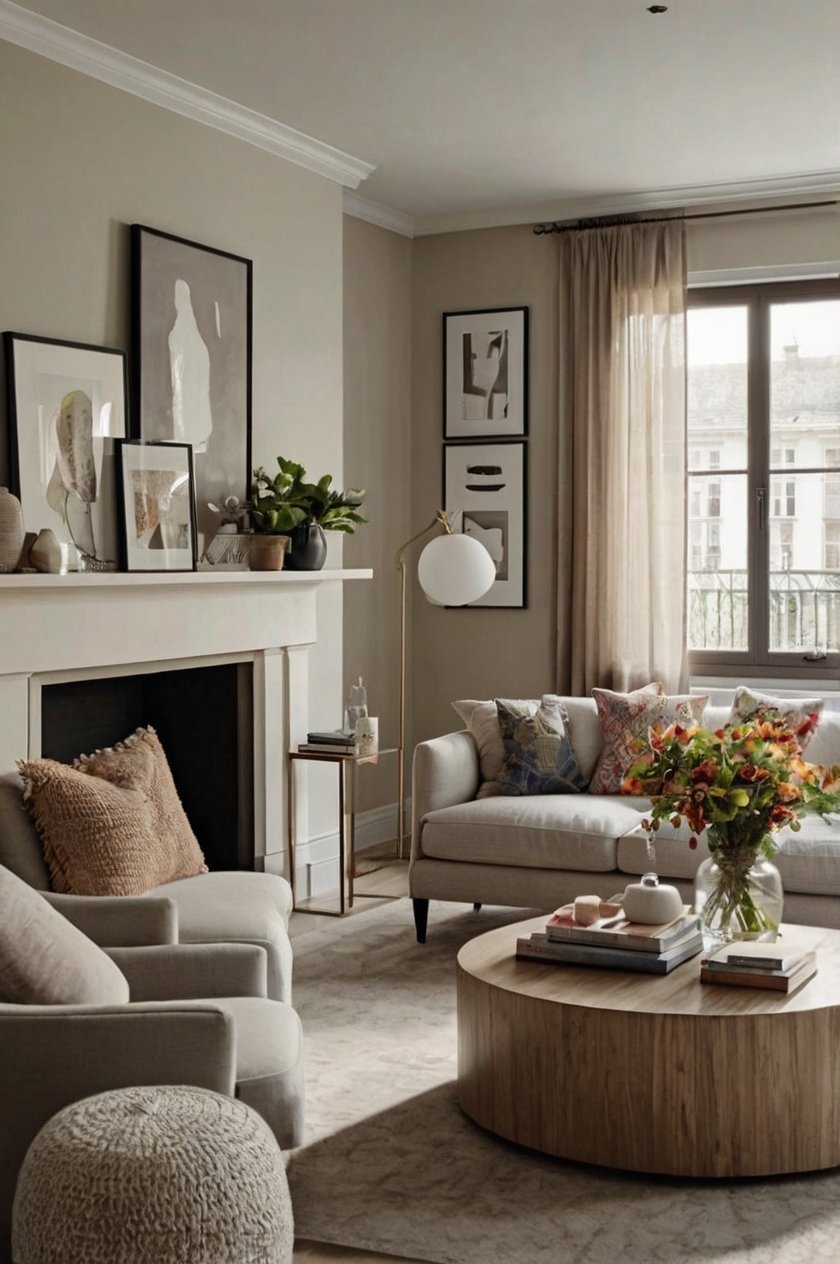
The image depicts a well-decorated, narrow living room that maximizes natural light. The room features a neutral color palette with beige walls and light-colored furniture, creating a bright and airy atmosphere. A large window on the right side of the room allows ample natural light to flood the space, enhanced by sheer beige curtains that add a soft touch without blocking the light. The seating area includes a light gray sofa adorned with colorful throw pillows and a matching armchair with a textured beige cushion. A round wooden coffee table sits in the center, topped with a vase of vibrant flowers and a stack of books, adding a pop of color and a cozy feel to the room.
A fireplace on the left wall is decorated with framed artwork and potted plants, contributing to the room’s stylish and inviting ambiance. Above the fireplace, there are three pieces of framed art, and to the right of the fireplace, a small side table holds additional decor items. A modern floor lamp with a white globe shade stands next to the sofa, providing additional lighting.
Utilize Vertical Space
When working with a narrow living room, it’s important to utilize every inch of space. This includes utilizing the vertical space in the room. Consider hanging shelves or artwork higher up on the walls to draw the eye upward and make the room feel taller. You can also use tall bookcases or floor-to-ceiling curtains to create the illusion of height in the room.

The image depicts a well-designed narrow room that makes excellent use of vertical space to maximize functionality and aesthetics. The room features a tall bookshelf that spans from the floor to the ceiling, filled with an assortment of books, decorative items, and plants. This vertical storage solution not only adds character to the room but also keeps the floor space clear and open.
To the left of the bookshelf, there is a cozy reading nook with a comfortable armchair upholstered in a soft gray fabric. A small side table next to the armchair holds a cup of coffee and a book, creating an inviting spot for relaxation. Above the armchair, three floating shelves are mounted on the wall, displaying a mix of framed photos, potted plants, and small decorative objects, further utilizing the vertical space and adding visual interest.
The room is painted in a light, neutral color, which enhances the sense of openness and brightness. A large window with sheer white curtains allows natural light to flood the room, making it feel even more spacious. On the right side of the room, a narrow desk with a chair provides a functional workspace without taking up much floor space. Above the desk, a corkboard and a few more floating shelves offer additional storage and display options.
Choose the Right Furniture
When it comes to furniture, it’s important to choose pieces that are proportionate to the size of the room. Avoid oversized or bulky furniture that can make the space feel cramped. Instead, opt for slim and streamlined pieces that can fit comfortably in a narrow living room. Additionally, choosing furniture with legs instead of pieces that sit directly on the floor can also create a sense of openness in the room.

The image depicts a cozy and stylish living room with a modern and minimalist design, suitable for a narrow room. The room features a grey sectional sofa adorned with mustard yellow and grey cushions, providing a comfortable seating area. Adjacent to the sofa is a wooden armchair with a white cushion and a matching mustard yellow pillow, adding a touch of warmth and color to the space. A round wooden coffee table sits in front of the seating area, holding a small plant, a tray with decorative items, and a stack of books, contributing to the room’s inviting atmosphere.
The back wall is lined with built-in wooden shelves filled with books, decorative objects, and plants, maximizing storage and display space without overwhelming the room. A large potted plant is placed near the window, adding a natural element and enhancing the room’s aesthetic. The window is dressed with light grey curtains that allow natural light to filter in, creating a bright and airy ambiance.
A gold floor lamp with a spherical shade stands beside the sofa, providing additional lighting and a touch of elegance. The room’s design is completed with a textured area rug that adds warmth and comfort underfoot. The combination of functional furniture, thoughtful decor, and efficient use of space makes this living room an excellent example of how to choose the right furniture for a narrow room.
Create Zones
In a narrow living room, it can be helpful to create different zones for different activities. This can help define the space and make it more functional. For example, you can create a seating area with a couch and chairs for entertaining, a reading nook with a comfortable armchair and bookshelf, and a workspace with a small desk and chair. By dividing the room into zones, you can make the most of the space and avoid clutter.

The image depicts a well-designed narrow room that has been thoughtfully arranged to create different zones for various activities. The room features a long, rectangular layout, allowing for distinct areas to be defined while maintaining a cohesive and stylish look. On the left side of the room, there is a cozy reading nook with a comfortable armchair upholstered in a soft beige fabric. A small, round side table next to the armchair holds a green potted plant, adding a touch of nature to the space. The reading nook is positioned near a large window with beige curtains that allow natural light to flood the area, creating an inviting atmosphere.
In the center of the room, a fireplace serves as the focal point, framed by dark wood bookshelves on either side. The shelves are filled with a variety of books and decorative items, providing both storage and visual interest. Above the fireplace, a large abstract painting featuring bold black and red shapes adds a modern artistic touch to the room. A glass coffee table with a black frame sits in front of the fireplace, holding a bowl of vibrant yellow flowers and a few books, creating a welcoming centerpiece.
On the right side of the room, a gray sofa and an ottoman provide ample seating for guests, completing the living area. The neutral-toned area rug ties the room together, providing a soft and comfortable surface underfoot.
Use Mirrors
Mirrors are a great way to make a narrow living room feel larger and more open. Placing a large mirror on one of the walls can reflect light and create the illusion of a bigger space. You can also use smaller mirrors strategically placed around the room to add depth and make the space feel more spacious.

The image depicts a sophisticated and elegant living room that uses mirrors effectively to enhance the perception of space, making it suitable for a narrow room. The room features a large, gold-framed mirror dominating the wall behind a plush, gray sofa adorned with patterned and solid-colored throw pillows. The mirror reflects light and the room’s decor, creating an illusion of a larger space.
On either side of the sofa, there are matching table lamps with white shades, placed on mirrored side tables that add to the reflective theme. The room also includes two beige armchairs positioned around a glass coffee table with a chrome frame. The coffee table is decorated with a vase of white flowers, a small sculpture, and a stack of books, adding a touch of sophistication and personal style. The walls are painted in a dark, muted tone, which contrasts with the light-colored furniture and large windows that allow natural light to flood the room. The windows are dressed with floor-length, beige curtains that complement the overall color scheme.
Incorporate Multi-functional Furniture
In a narrow living room, it’s important to make the most of every piece of furniture. Consider incorporating multi-functional furniture, such as a storage ottoman that can also be used as extra seating, or a coffee table with hidden storage compartments. This can help minimize clutter and make the room feel more organized.

The image depicts a sophisticated and well-designed living room with a focus on incorporating multi-functional furniture, ideal for a narrow space. The room features large, tall windows that allow ample natural light to flood the space, creating an airy and open atmosphere. The windows are adorned with long, elegant beige curtains that add a touch of warmth and privacy.
The seating arrangement consists of a large, L-shaped sectional sofa in a neutral tone, adorned with an assortment of plush throw pillows in various shades of green, beige, and yellow, adding both comfort and a pop of color. In front of the sofa, there are two coffee tables: a round wooden table and an oval glass-topped table. Both tables are decorated with vases, books, and small decorative items, showcasing a blend of functionality and style.
A tall floor lamp with a beige lampshade stands beside the sofa, providing additional lighting. On the right side of the room, a dark wooden console table holds more decorative items, including a vase with white flowers and other small objects. Above the console table hangs a large abstract painting with a mix of yellow, red, and beige tones, adding an artistic element to the space.
Stick to a Light Color Palette
When it comes to paint colors and decor, sticking to a light and neutral color palette can help make a narrow living room feel more open and airy. Light shades of white, beige, and gray can help reflect light and create the illusion of a larger space. You can also add pops of color with accessories and artwork to add interest to the room.

The image depicts a well-decorated narrow room that beautifully utilizes a light color palette to create an open and airy atmosphere. The main feature is a large abstract painting with dark blue, teal, and magenta hues, mounted on a beige paneled wall. Below the painting is a beige sectional sofa adorned with an assortment of decorative pillows in various patterns and colors, including gold, blue, and floral designs.
In front of the sofa is a round marble coffee table with a gold metal frame. The table is decorated with a blue glass vase, a small wooden sculpture, a stack of books, and a small glass vase with white flowers, adding a touch of elegance and sophistication. To the left and right of the sofa are two floor lamps with white shades and gold stands, providing balanced lighting to the room.
The floor is covered with a patterned rug featuring a mix of neutral and warm tones, adding texture and warmth to the space. A small wooden side table next to the sofa holds a potted plant and a stack of books, adding a touch of greenery to the room. By sticking to a light color palette, the room feels open and welcoming, making the most of the narrow space while ensuring a stylish and comfortable living area.
Consider Built-in Storage
In a narrow living room, it’s important to maximize storage space to avoid clutter. Consider incorporating built-in storage solutions, such as built-in shelves or cabinets, to make the most of the available space. This can also help free up floor space and make the room feel less cramped.

The image depicts a well-designed living room that maximizes storage space to avoid clutter, making it suitable for a narrow room. The room features a large, comfortable beige sectional sofa adorned with various throw pillows in shades of yellow, gray, and beige. In front of the sofa, there is a wooden coffee table with two levels, holding books, candles, and a vase with flowers, adding to the room’s cozy ambiance.
A prominent feature of the room is the extensive built-in shelving unit that spans the entire left wall. The shelves are filled with books, decorative items, and potted plants, providing ample storage and display space while keeping the room organized. The shelving unit’s dark wood contrasts nicely with the lighter tones of the furniture and walls.
Above the sofa, a modern chandelier with multiple exposed bulbs hangs from the ceiling, adding a touch of elegance and warmth to the space. The large window on the right side of the room allows natural light to flood in, enhancing the room’s airy feel. The window is framed by sheer white curtains, which soften the light and add a touch of sophistication. A mustard-yellow armchair and a matching ottoman provide additional seating, while a patterned area rug anchors the seating area and adds texture to the room.
Use Lighting to Create Ambiance
Lighting can play a crucial role in making a narrow living room feel more inviting and spacious. Instead of relying on one overhead light, incorporate different types of lighting, such as floor lamps, table lamps, and wall sconces, to create a warm and inviting atmosphere. This can also help draw the eye around the room and make it feel larger.

The image depicts a sophisticated and cozy living room with a modern design. The room features a large sectional sofa in a muted gray tone, adorned with numerous plush cushions in varying shades of gray, providing a comfortable seating area. In front of the sofa, there is a sleek, black, round coffee table with a glossy finish, holding a few books and a decorative black vase with green foliage, adding a touch of nature to the space. The room is illuminated by a combination of natural and artificial lighting. A large window, covered with sheer white curtains and framed by heavy, floor-length brown drapes, allows natural light to filter in, creating a soft, diffused glow. The artificial lighting includes a tall floor lamp with a white shade positioned next to the sofa, and subtle, warm LED strip lights installed along the ceiling and wall panels, enhancing the ambiance and providing a cozy, inviting atmosphere.
The walls are clad in light-colored wood panels, adding warmth and texture to the room. A small, round side table with a gold frame and a glass top is placed next to the sofa, holding a few magazines. The floor is covered with a patterned area rug in neutral tones, complementing the overall color scheme and adding a layer of comfort. This image is relevant for illustrating how lighting can be used to create ambiance in a narrow living room. The combination of natural light, floor lamps, and LED strip lights effectively enhances the room’s cozy and inviting atmosphere, making it an ideal example for interior design inspiration.
Incorporate Patterns and Textures
Don’t be afraid to incorporate patterns and textures into a narrow living room. This can add visual interest and make the space feel less one-dimensional. Just be sure to use them in moderation and stick to a cohesive color scheme to avoid overwhelming the room.
Also Read:
Best 30 Blue Living Room Ideas
Conclusion
With some creativity and the right ideas, a narrow living room can be transformed into a stylish and functional space. By maximizing natural light, utilizing vertical space, choosing the right furniture, and incorporating clever design solutions, you can make the most of a narrow living room and create a space that you’ll love spending time in.