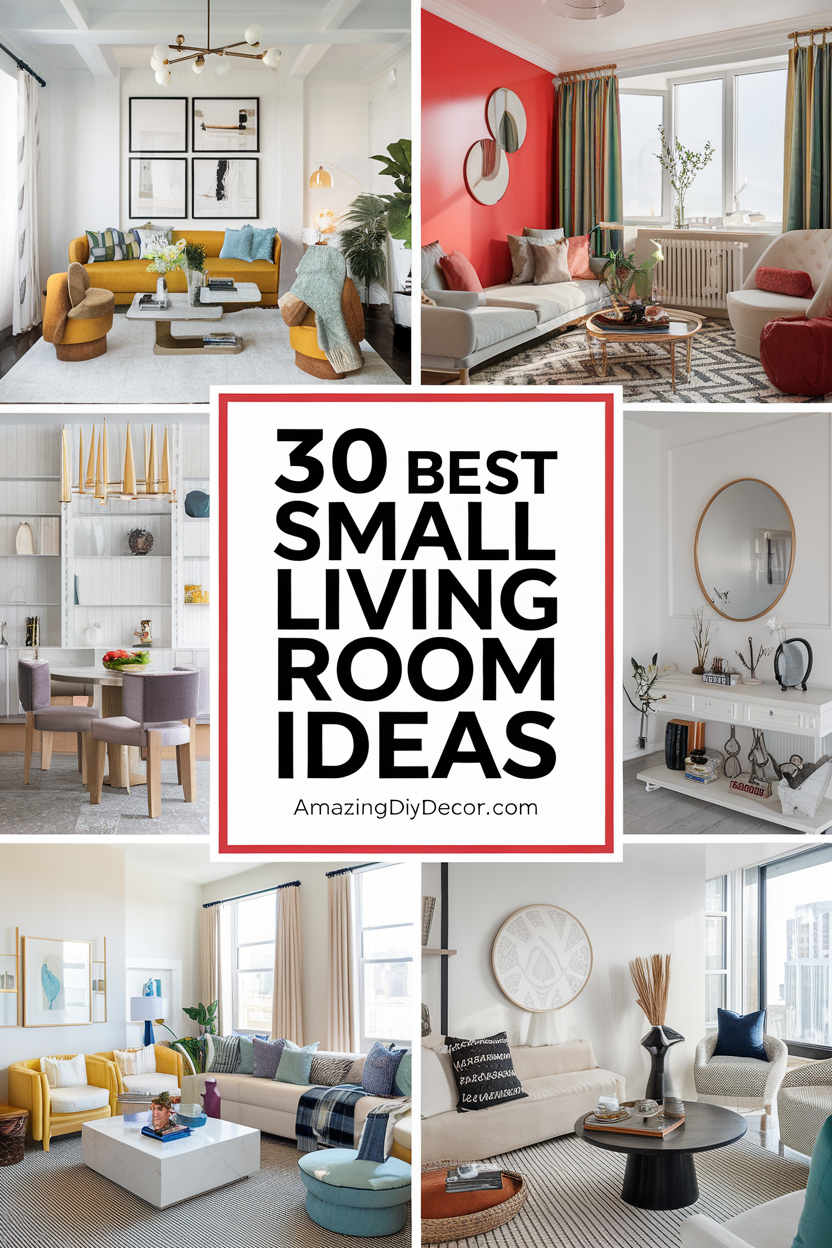
Cozy & Chic: 30 Stunning Small Living Room Inspirations
Are you struggling to make the most out of your small living room? Don’t worry, you’re not alone. Many people face the challenge of decorating and organizing a small living space. However, with the right ideas and tips, you can transform your small living room into a cozy and functional space. In this article, we will discuss 30 of the best small living room ideas that will help you maximize your space and create a stylish and inviting atmosphere.
Living in a small space can be challenging when it comes to creating a comfortable and functional living room. I understand the importance of making every inch count without sacrificing style or comfort.
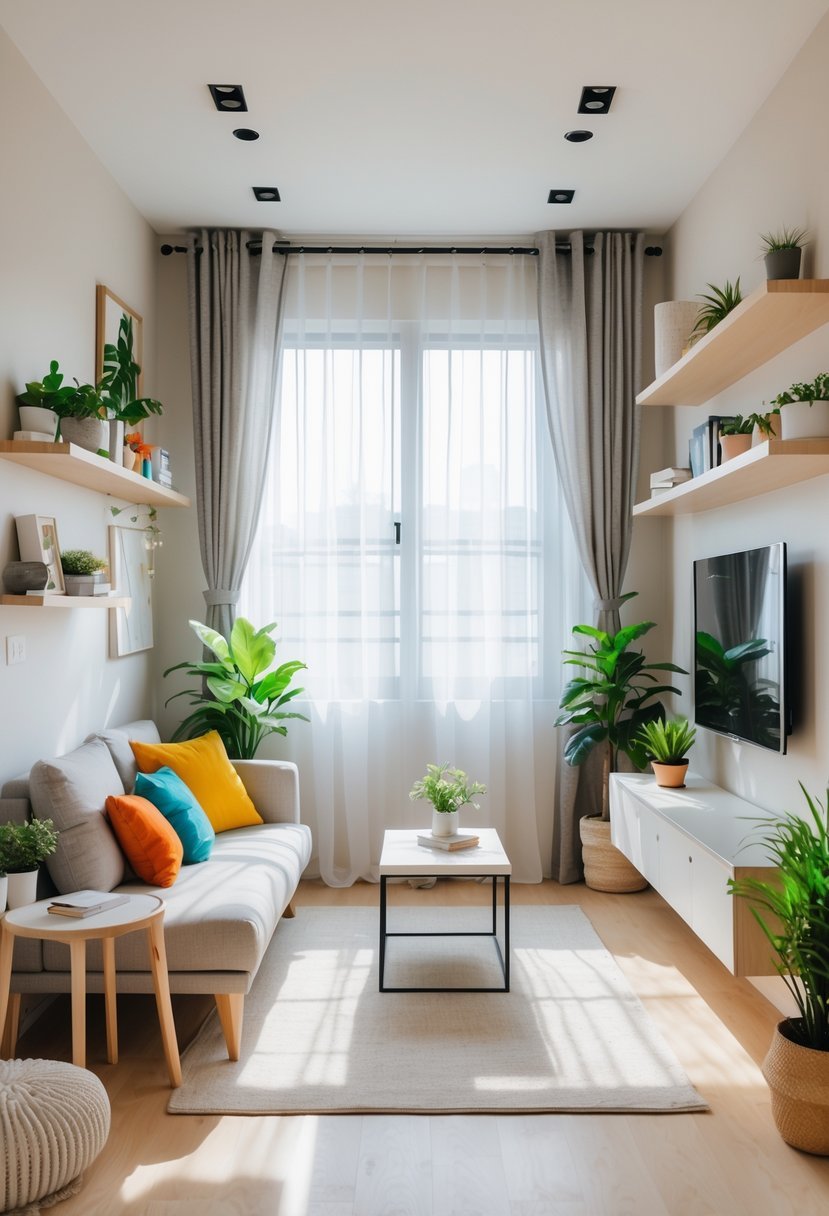
The key to a successful small living room is using smart design ideas that maximize space while keeping the area open and inviting. This article shares practical tips I’ve gathered to help you refresh your space and live better in a smaller footprint.
Table of Contents
1) Use multi-functional furniture like sofa beds and storage ottomans
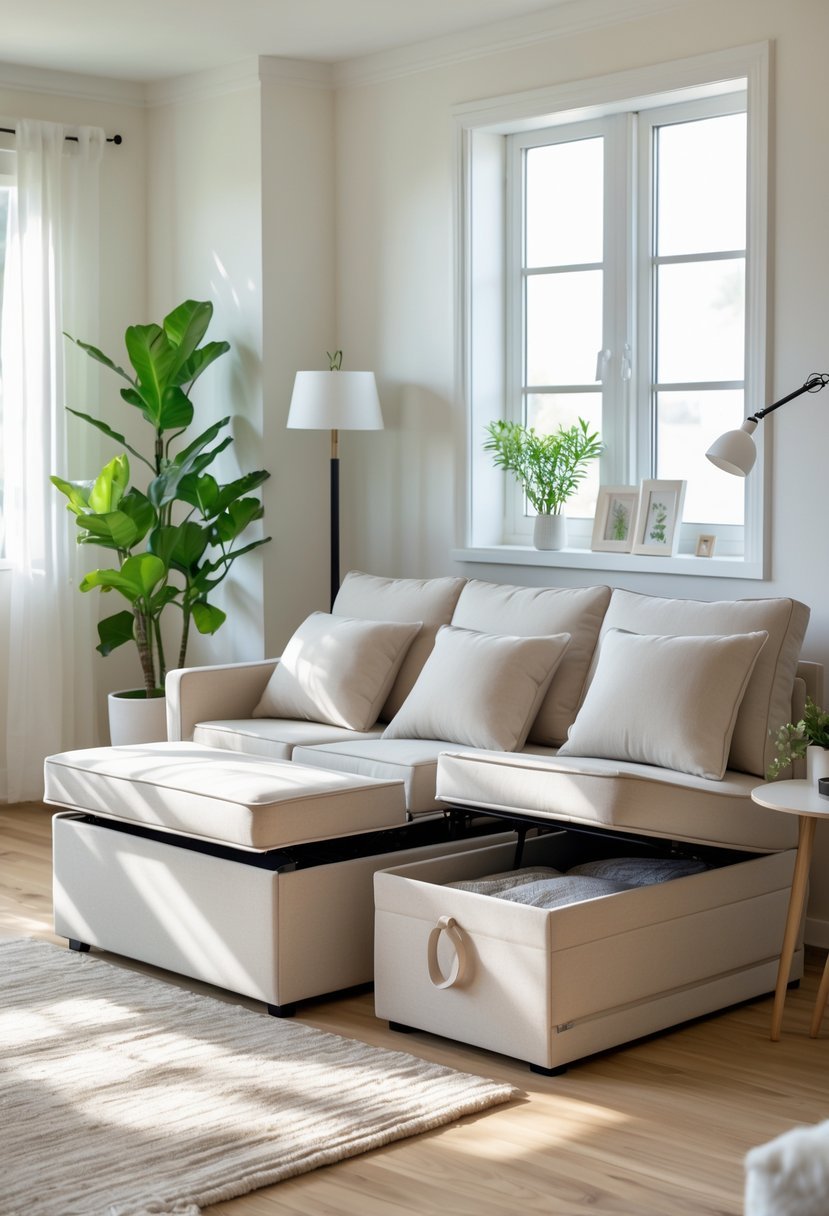
I find that multi-functional furniture is essential in small living rooms. Items like sofa beds provide extra sleeping space without taking up more room.
Storage ottomans are another favorite of mine. They offer hidden storage for clutter while also serving as seating or a coffee table.
Choosing pieces that combine uses helps me keep the room open and organized.
2) Install floating shelves to add vertical storage without crowding the floor
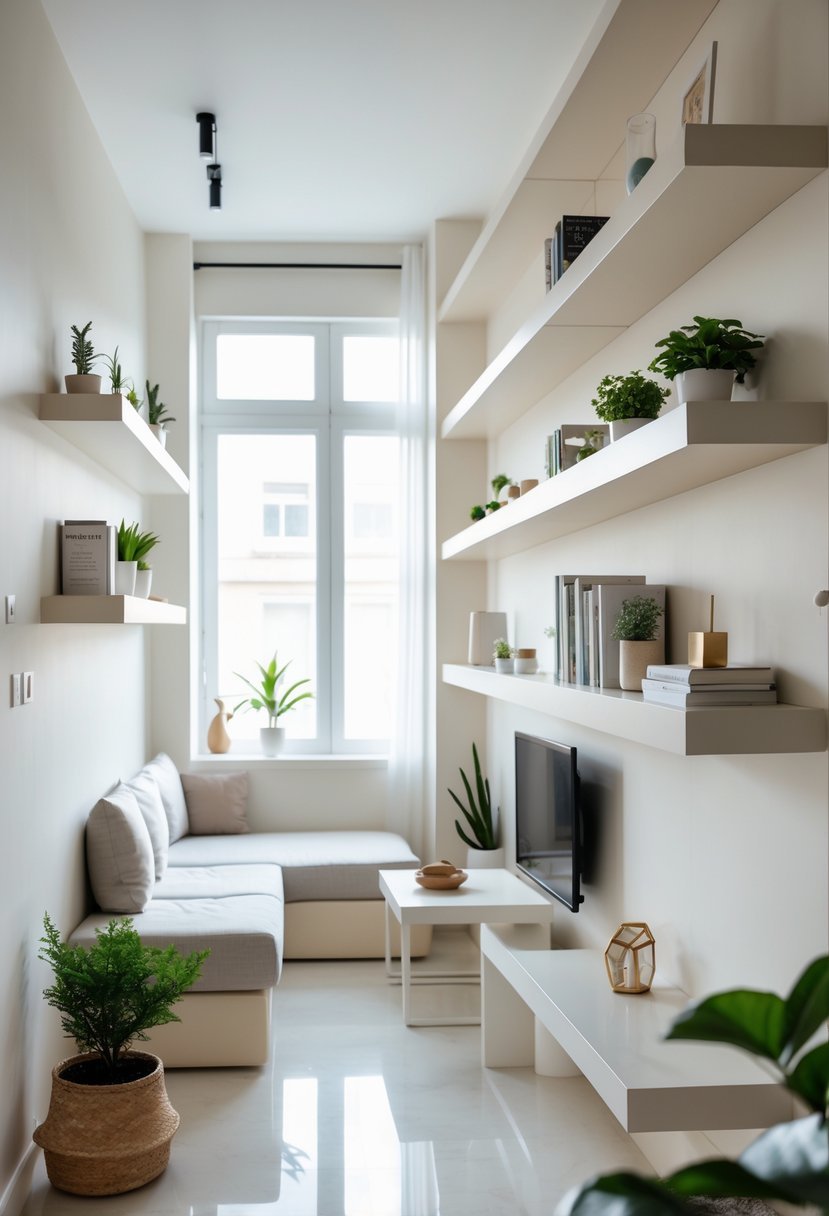
I find floating shelves an effective way to use vertical space in a small living room. They free up the floor, making the area feel less cluttered while still providing storage for books, decor, or everyday items.
Installing them is straightforward, and they suit various styles. I often recommend placing them in overlooked spots like corners or above furniture to maximize space.
Floating shelves keep essentials within reach without bulky furniture.
3) Choose light wall colors such as soft whites or pastels to create an open feel
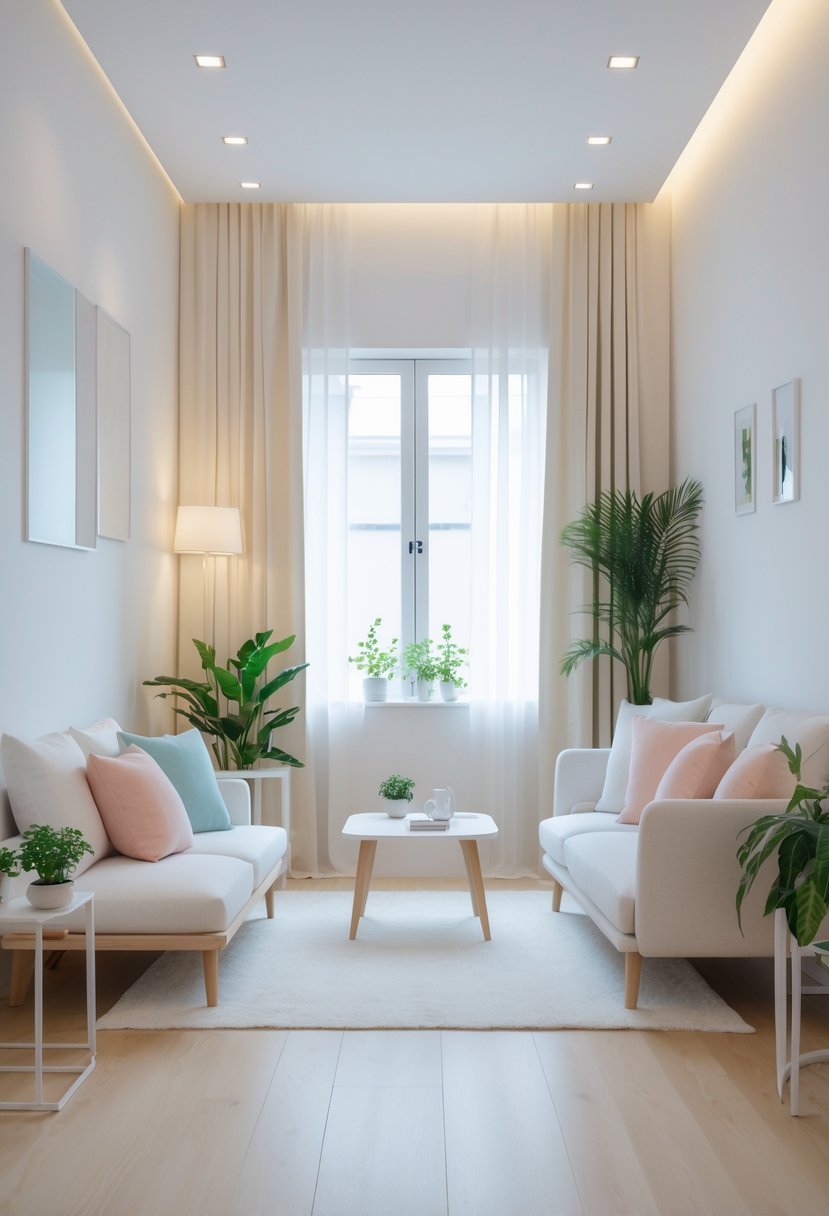
I find that using light wall colors instantly makes a small living room feel more spacious. Soft whites reflect natural light, brightening the area without overwhelming it.
Pastels, like pale pink, mint, or lavender, add a subtle touch of color while maintaining openness.
Sticking to these light tones helps walls visually recede, which tricks the eye into perceiving a larger room.
4) Incorporate mirrors to reflect light and visually expand the space
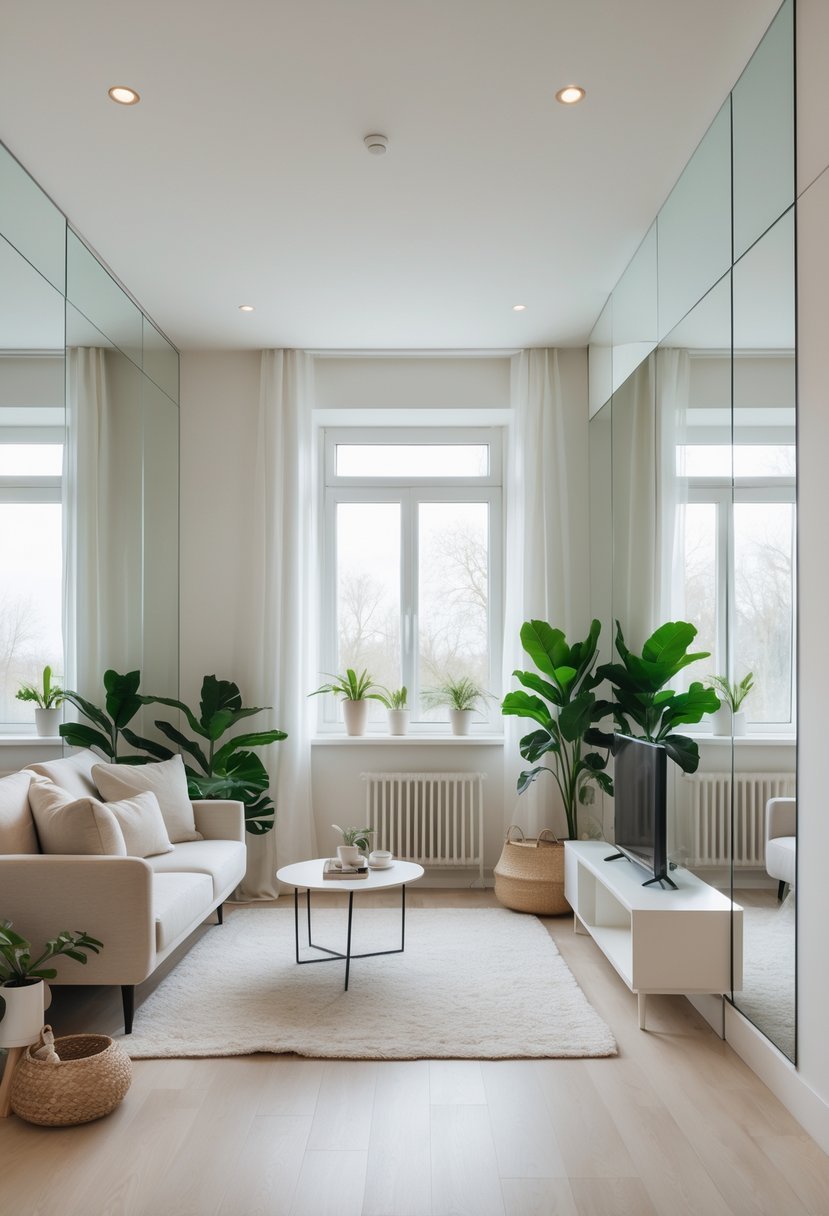
I find that adding mirrors is one of the simplest ways to make a small living room feel larger. A large, minimalist mirror placed strategically can reflect natural light and create a sense of depth.
Positioning mirrors near windows or light fixtures helps bounce light around the room. This not only brightens the space but also enhances the overall ambiance without overcrowding.
Choosing an oversized mirror with a slim frame works best.
5) Opt for furniture with exposed legs to create a sense of openness
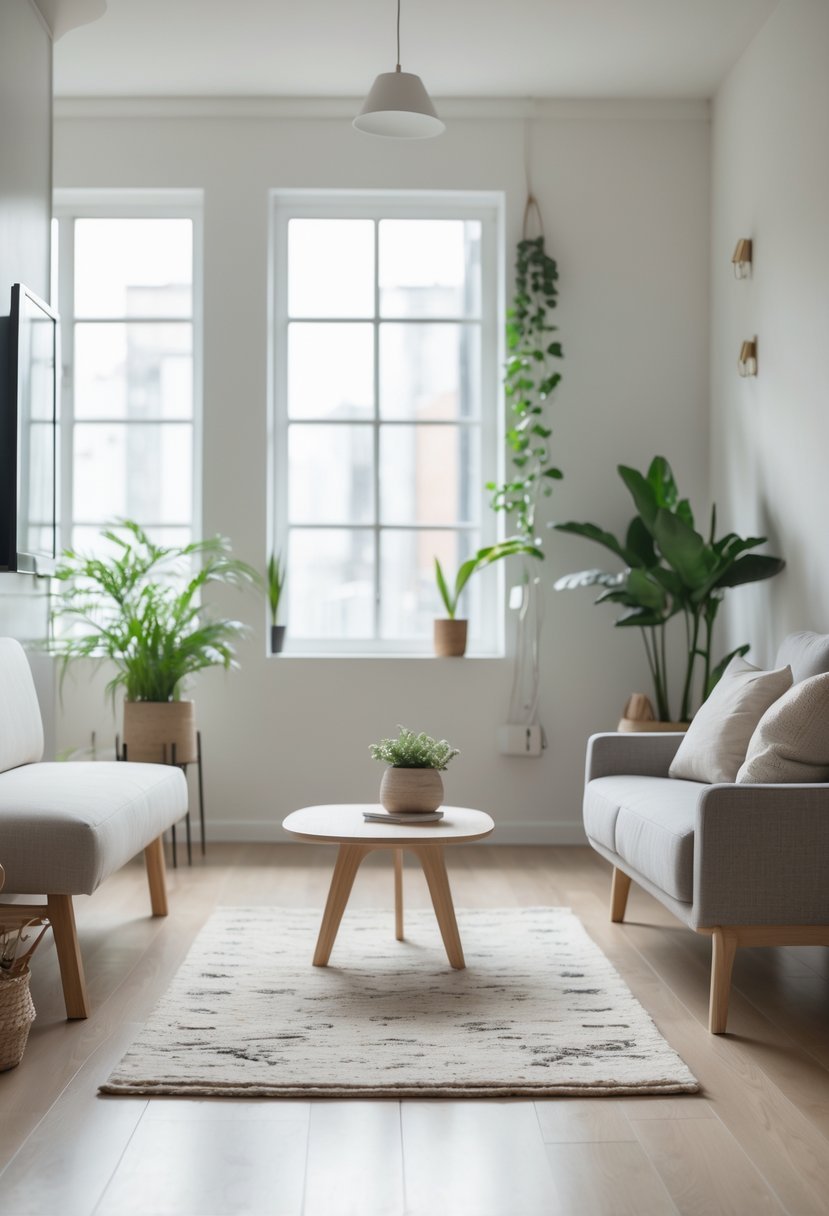
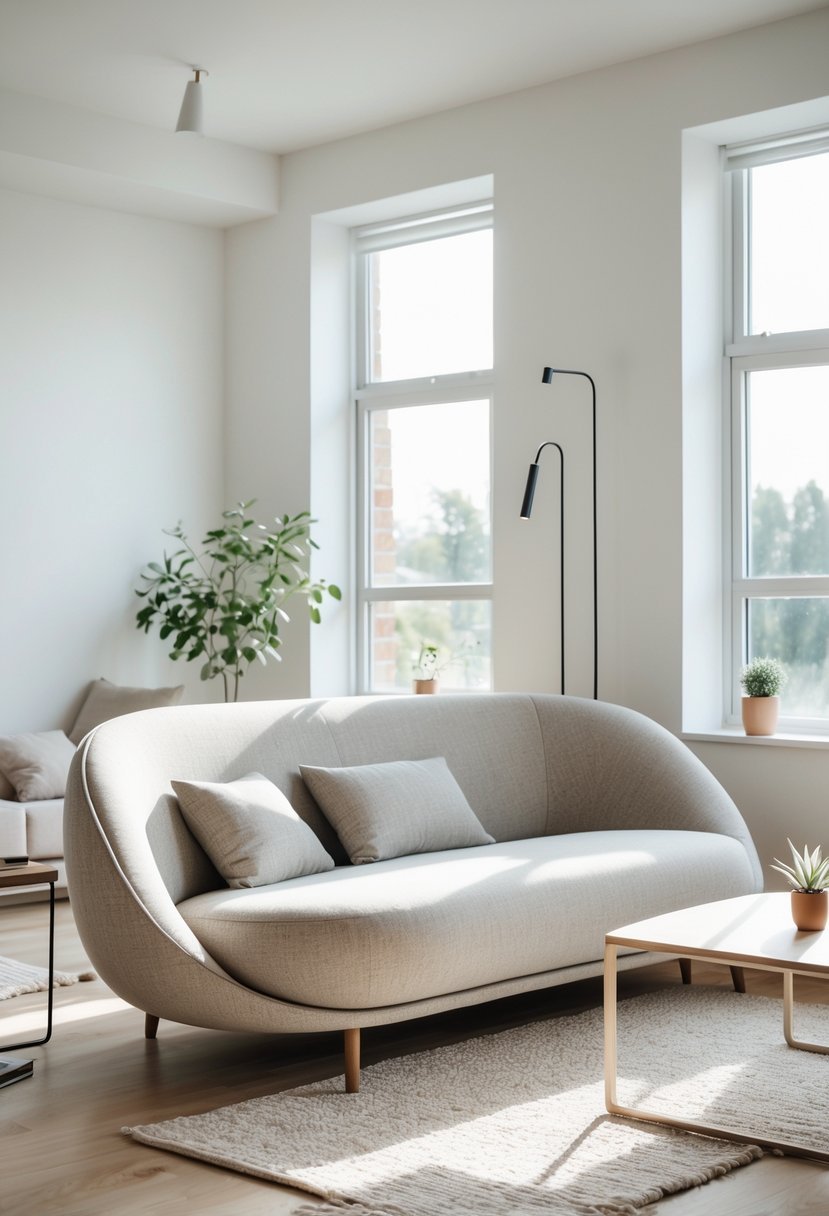
I find that choosing furniture with exposed legs can make a small living room feel more spacious. When furniture sits directly on the floor, it tends to look bulky and heavy, which can quickly crowd the room.
Exposed legs create visible floor space beneath furniture, giving the room a lighter, airier feel. This design choice not only opens up the visual flow but also helps the space appear less cluttered.
I often recommend sofas and chairs with narrow or tapered legs because they add elegance while maximizing the perception of ground space.
6) Arrange furniture to maintain clear pathways and avoid clutter
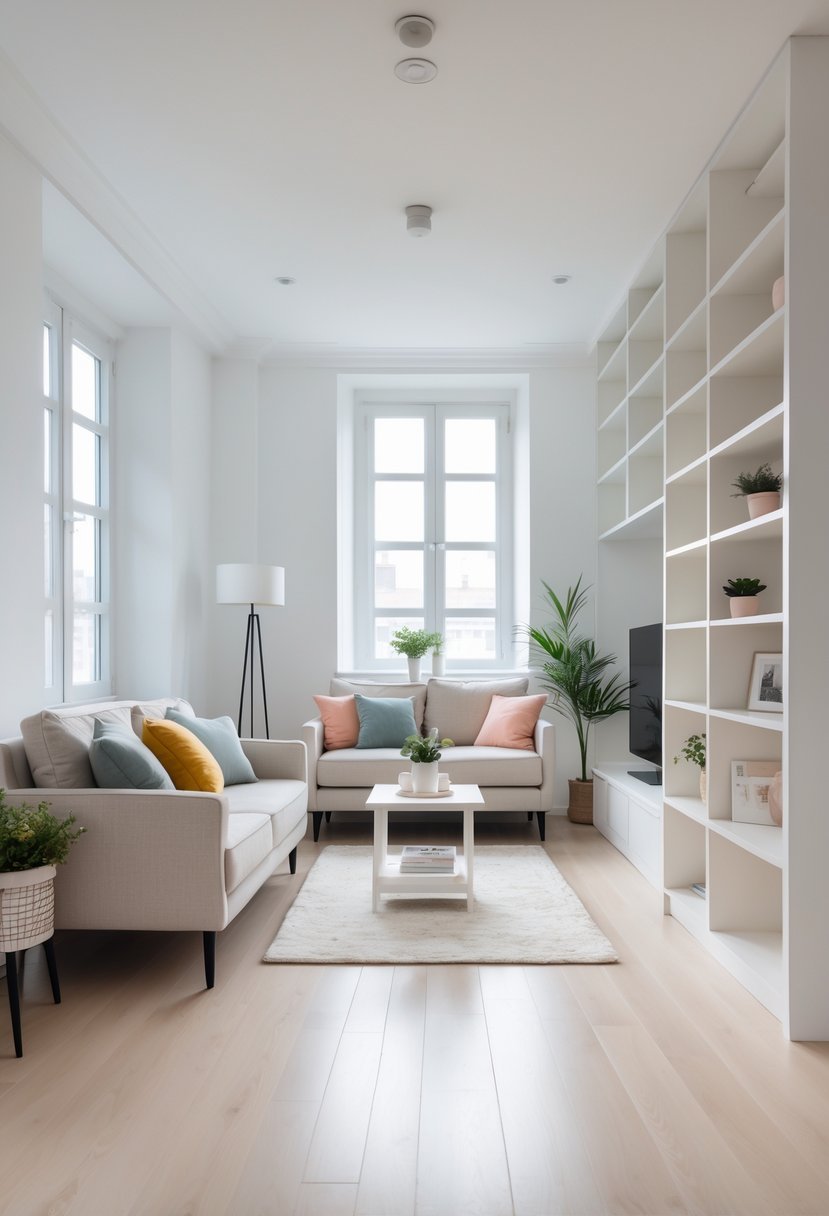
I always start by positioning the largest piece, usually the sofa, in a way that opens up central floor space. This creates natural pathways and prevents the room from feeling cramped.
Placing smaller pieces around the perimeter keeps the main area open and easy to navigate. I avoid blocking windows or doorways to ensure smooth movement throughout the room.
I also focus on limiting excess furniture.
7) Use area rugs to define zones within the living room
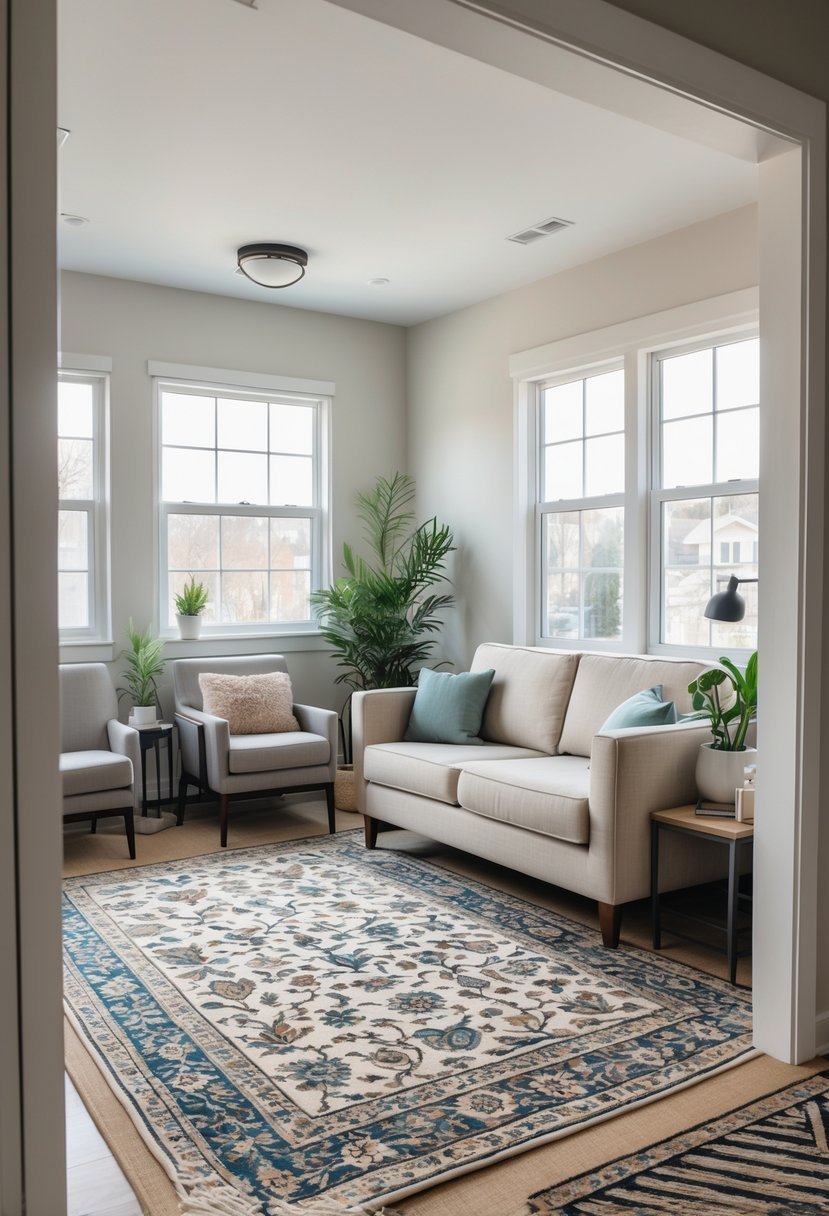
I find area rugs extremely useful for separating different zones in a small living room. By placing a rug under the seating area and another under the dining space, I create clear visual boundaries without narrowing the room.
Choosing rugs of different sizes and patterns helps maintain distinction between zones while keeping the flow natural.
In tight spaces, I use smaller or runner rugs to mark pathways or entry points.
8) Select slim-profile sofas and chairs to maximize seating without bulk
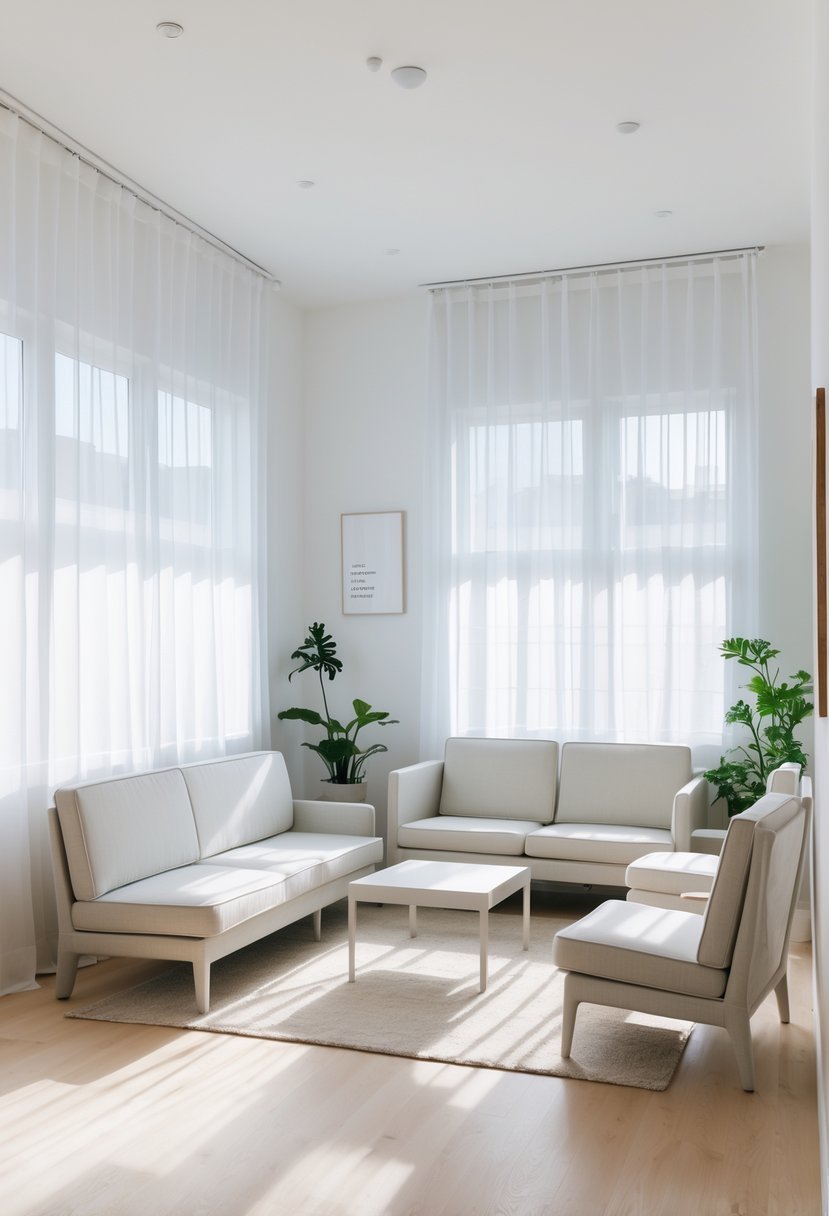
I find that choosing sofas and chairs with slim profiles makes a big difference in a small living room. These pieces take up less visual and physical space, allowing more seating without the room feeling cramped.
Armless designs or furniture with exposed legs create a lighter look and add a sense of openness. I prefer mid-century modern styles or loveseats that avoid oversized armrests and deep seats, which often consume too much floor area.
9) Mount the TV on the wall to free up floor space
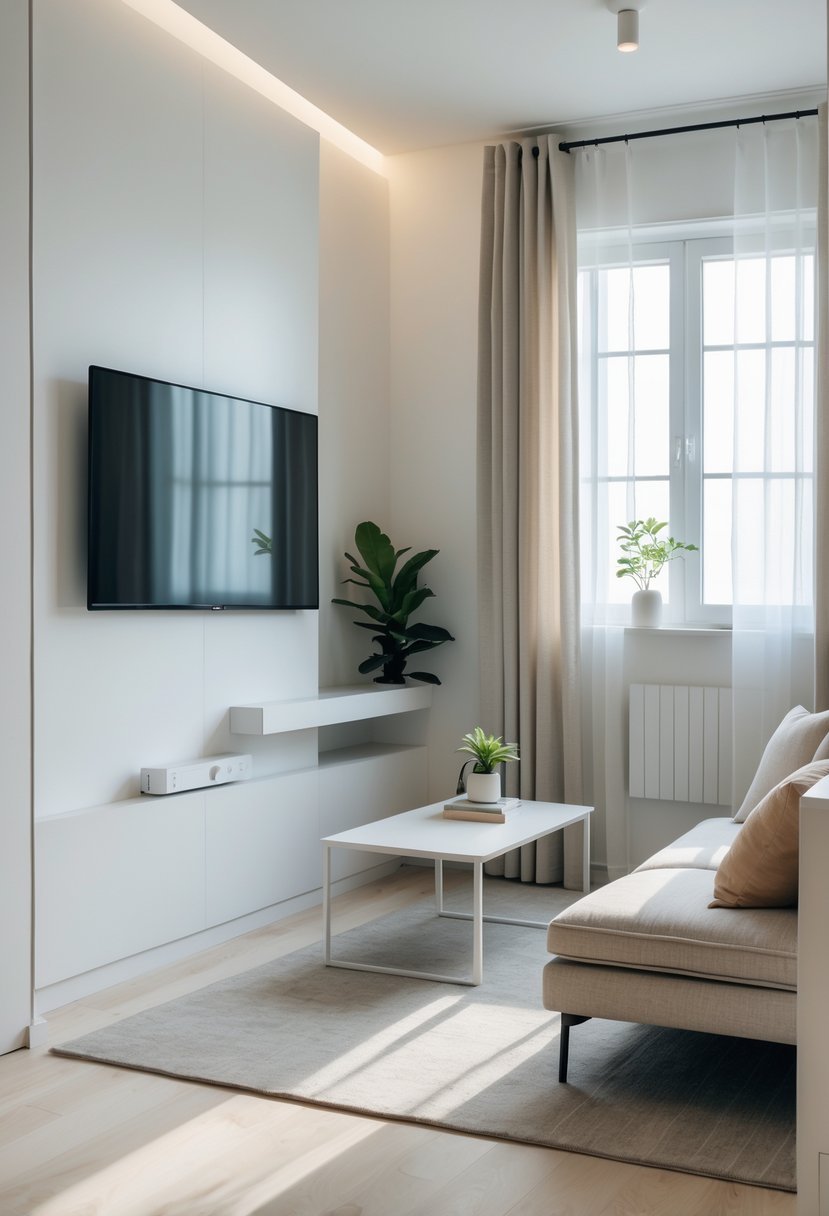
I find mounting the TV on the wall to be one of the simplest ways to make a small living room feel more open. This approach instantly clears up floor space that would otherwise be taken by bulky media stands.
Choosing a slim, low-profile mount keeps the TV close to the wall, maintaining a clean and modern look. I also recommend adding a floating shelf below the TV for storing remotes or small devices without cluttering the area.
10) Add built-in storage units to utilize awkward corners efficiently
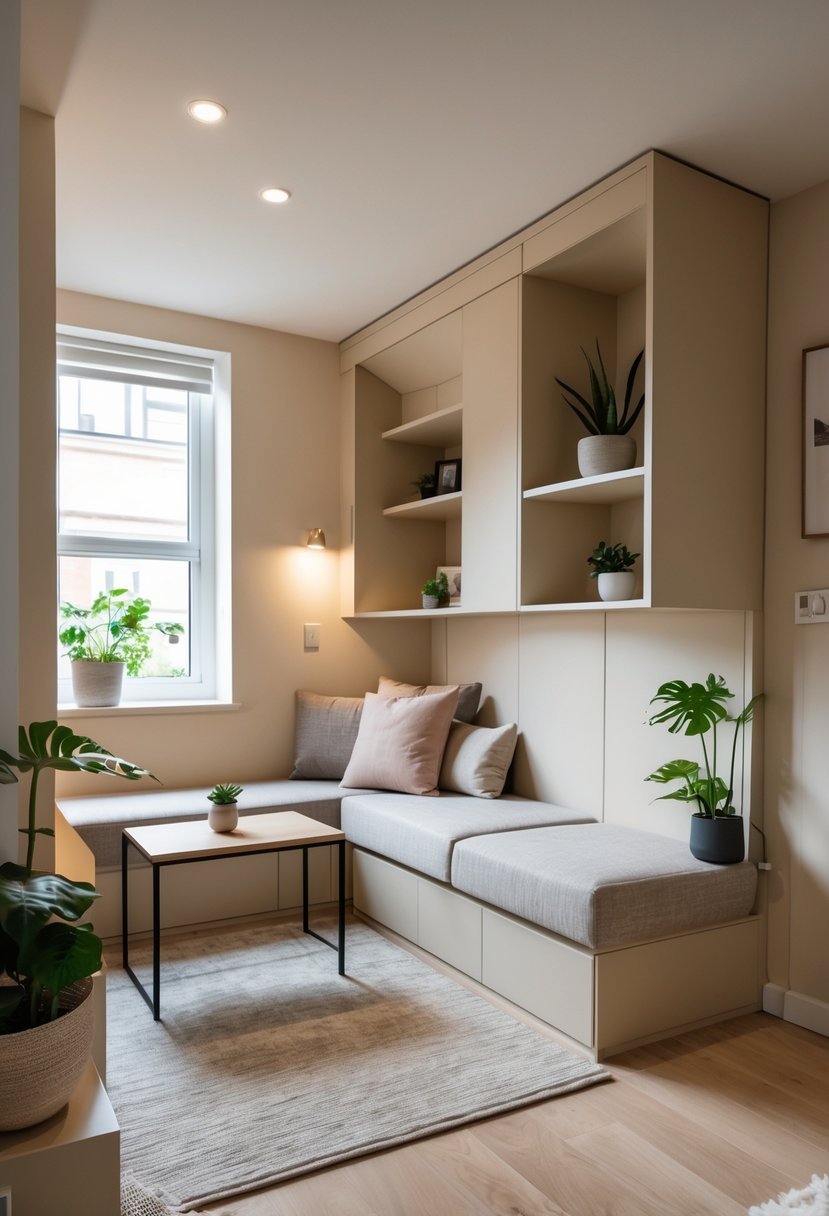
I find built-in storage units to be one of the smartest ways to use awkward corners in small living rooms. These units fit perfectly into unused spaces, turning them into practical storage without taking up extra room.
By customizing shelves or cabinets, I can maximize storage capacity while keeping the space looking seamless and organized.
In tight areas, such as near doorways or between windows, built-in units create efficient storage without overwhelming the room.
Understanding Small Living Room Design Principles
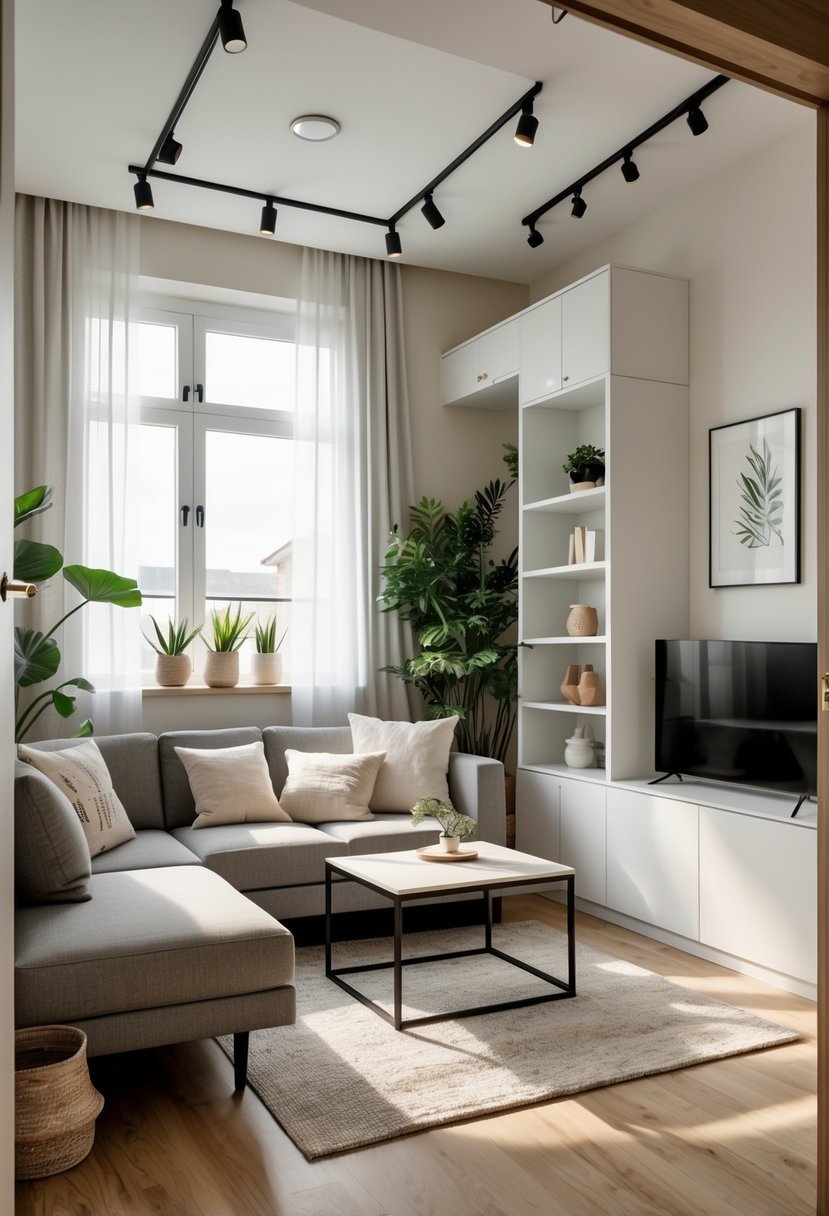
Designing a small living room requires deliberate choices to open up the space. I focus on how light, color, and furniture scale can change the feel and function of the room.
Each element plays a critical role in making a compact area comfortable without clutter.
Maximizing Natural Light
Natural light dramatically affects how spacious a room feels. I prioritize keeping windows clear of heavy drapes or bulky furniture that block sunlight.
Instead, I use sheer curtains or leave windows bare to allow light to flood the area. Mirrors are another tool I rely on to amplify light.
Placing a large mirror opposite a window reflects sunlight throughout the room, creating depth.
If natural light is limited, using layered lighting strategically helps compensate. I combine ceiling lights, floor lamps, and task lighting to maintain brightness and avoid dark corners that make the room feel smaller.
Using Color to Create Space
Color choices can visually expand or shrink a room. I prefer light, neutral tones for walls and major furniture pieces because they reflect more light and create an airy feel.
Cool tones such as soft blues and greens tend to recede, making walls feel farther away. Conversely, warm colors like reds or deep oranges might overwhelm a small space.
Accent colors are best kept minimal and used on smaller items like pillows, rugs, or art. This method adds personality without crowding the visual field.
I also suggest maintaining consistency in color throughout the room to avoid breaking the flow and making the space feel choppy.
Choosing the Right Furniture Scale
Furniture size and placement are crucial. I select pieces that fit the scale of the room, favoring smaller, streamlined designs over bulky, oversized options.
Multipurpose furniture, such as ottomans with storage or foldable tables, helps save space without sacrificing function.
I keep the number of furniture pieces low to avoid a crowded feel. Prioritizing core items — seating, a small coffee table, and efficient storage solutions — keeps the layout open.
Clear or leggy furniture frames can also create a sense of openness, as opposed to heavy, solid bases that visually block floor space.
Common Mistakes to Avoid in Small Living Rooms
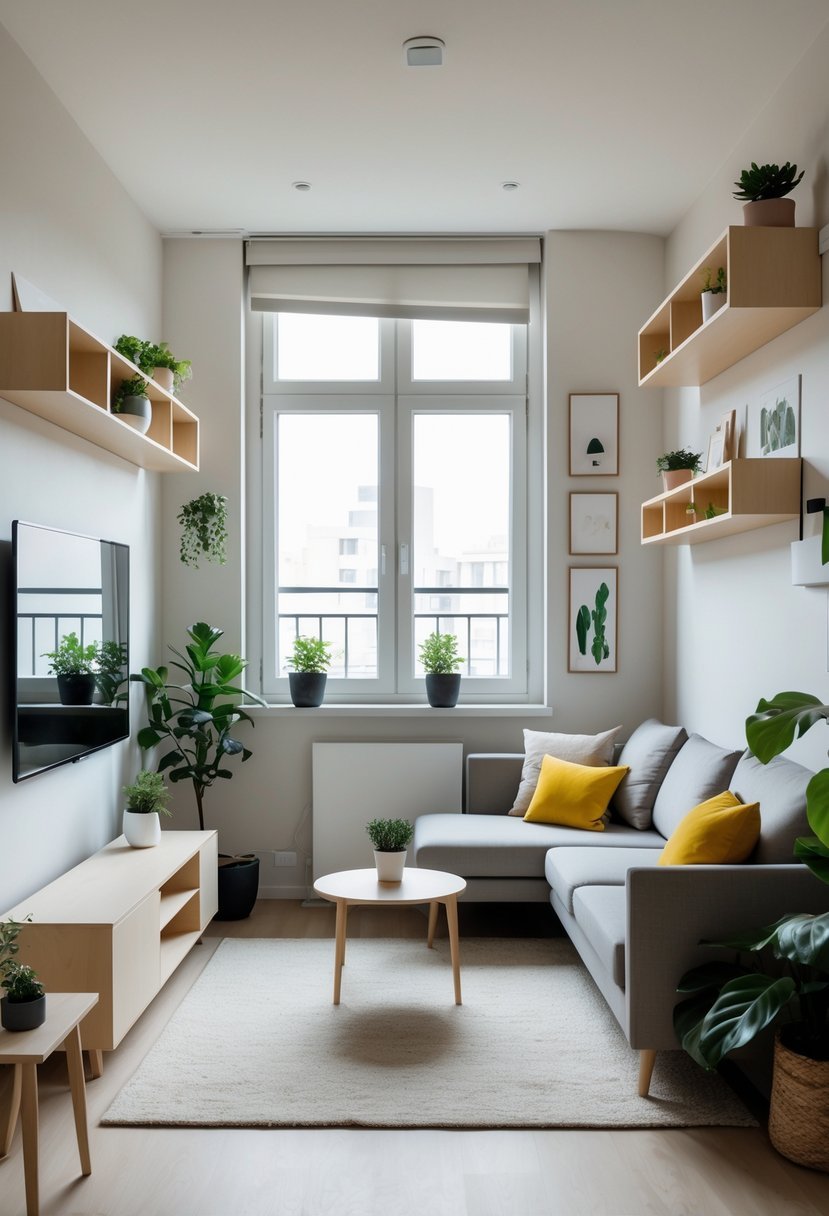
When working with a small living room, every decision matters. Poor choices in furniture size, storage, and layout can make a space feel cramped and uncomfortable instead of open and inviting.
Overcrowding the Space
One of the biggest errors I see is trying to fit too much into a limited area. Using bulky sofas, oversized coffee tables, or multiple large chairs can quickly close in the room and restrict movement.
Instead, I recommend selecting compact furniture with slim profiles or pieces designed specifically for small spaces, such as loveseats or armless chairs. Avoid adding unnecessary decor or accessories that don’t serve a clear function.
Each item should have a purpose, whether it’s for seating, storage, or lighting. Less clutter means a less crowded, more breathable room.
Ignoring Vertical Storage
Small living rooms don’t just need smart floor space use—they require vertical thinking. A common mistake is neglecting walls that could hold shelves, cabinets, or hooks for storage and display.
I often install floating shelves above sofas or under windows to use wall space efficiently. Vertical storage keeps items off the floor, reducing clutter while still providing easy access.
Tall bookcases or narrow cabinets also help store belongings without eating into precious square footage. Utilizing height this way expands storage capacity without overwhelming the room.
Neglecting Traffic Flow
Poor traffic flow can make a small living room feel awkward and cramped. I pay attention to how people move through the space before placing furniture.
It’s important to leave clear paths at least 24-30 inches wide so the room doesn’t feel congested. Avoid blocking doorways, windows, or main walkways with large furniture.
Position seating to encourage conversation without interrupting natural movement.
Use light colors
Light colors such as white, beige and pastel shades can make a room appear bigger and brighter. Consider painting your walls in a light color to create a sense of spaciousness in your small living room.
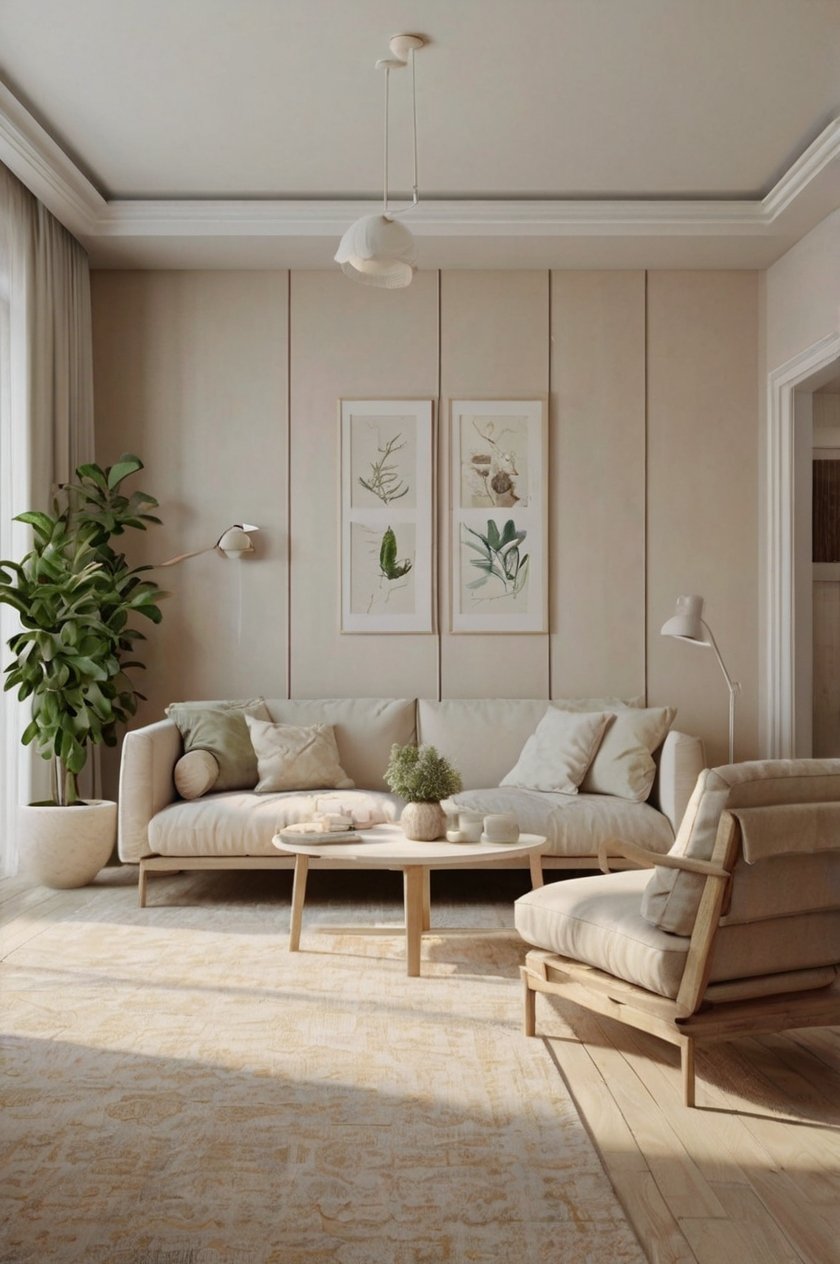
Add a mirror
Mirrors are a great way to create an illusion of a larger space. Place a large mirror on one of the walls in your living room to reflect light and make the room appear bigger.

Utilize vertical space
In a small living room, it’s essential to utilize every inch of space. Install shelves or floating shelves on the walls to display decorative items and free up floor space.

Choose multi-functional furniture
Invest in furniture pieces that serve multiple purposes, such as a sofa bed or an ottoman with hidden storage. This will help you save space and make your living room more functional.

Opt for a sectional sofa
Sectional sofas are a great choice for small living rooms as they can be arranged in various ways to fit the space. They also provide ample seating without taking up too much room.
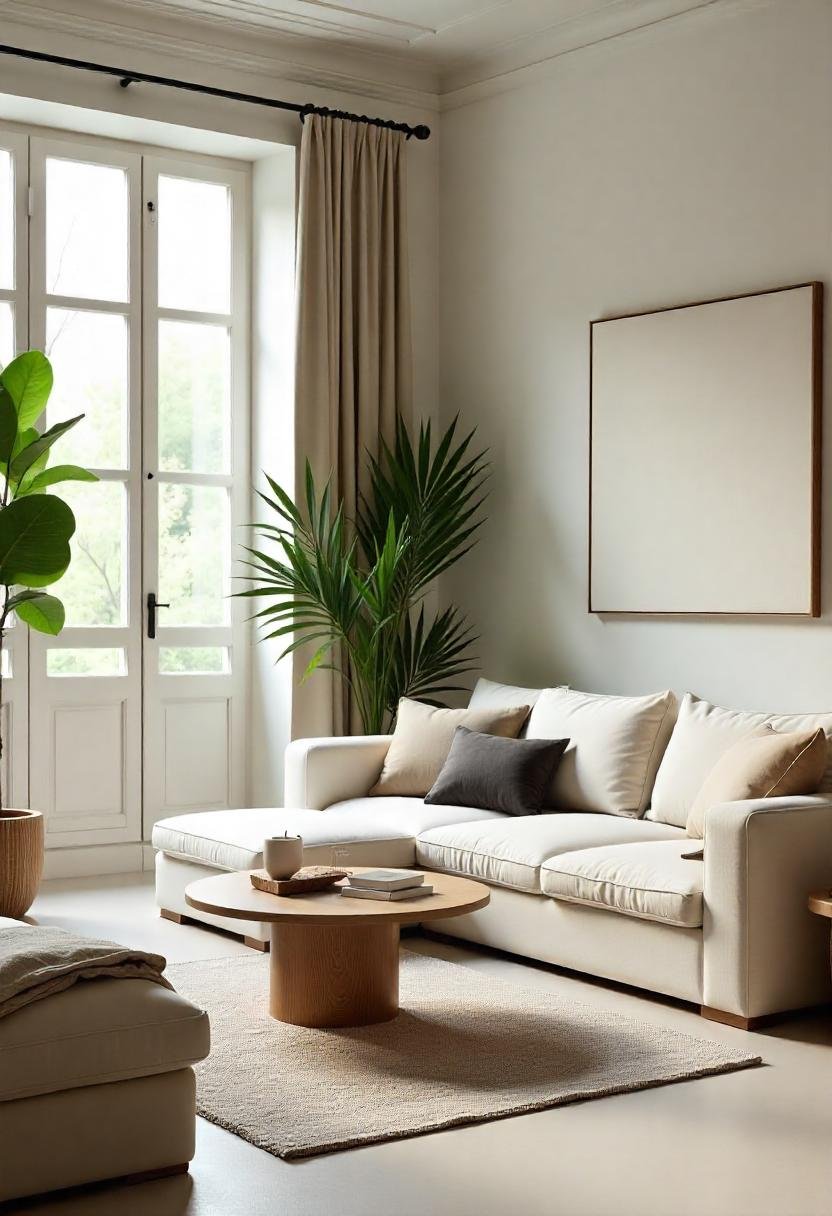
Use rugs
A rug can add warmth and texture to a small living room. Choose a rug that is proportional to your space to avoid overwhelming the room.
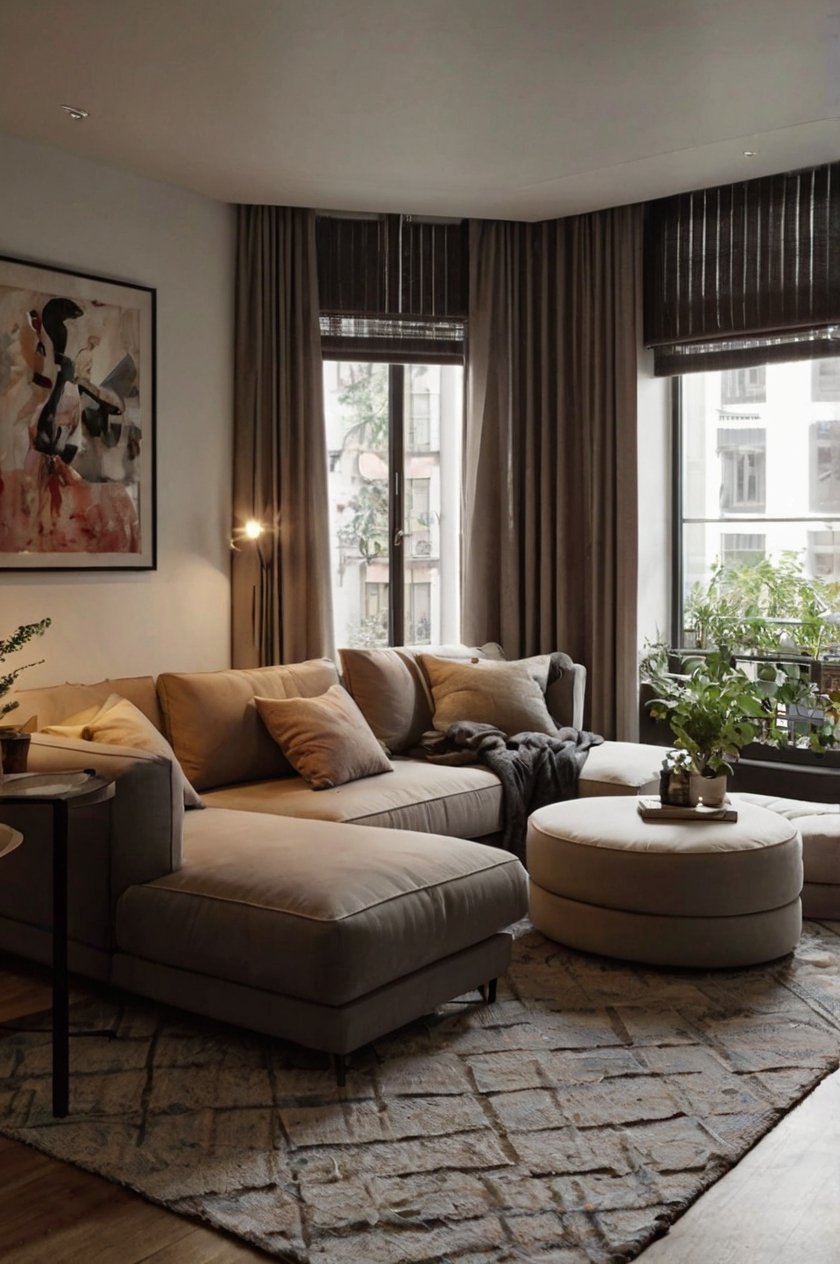
Mount your TV
Instead of using a TV stand, consider mounting your TV on the wall to save space and create a sleek look.
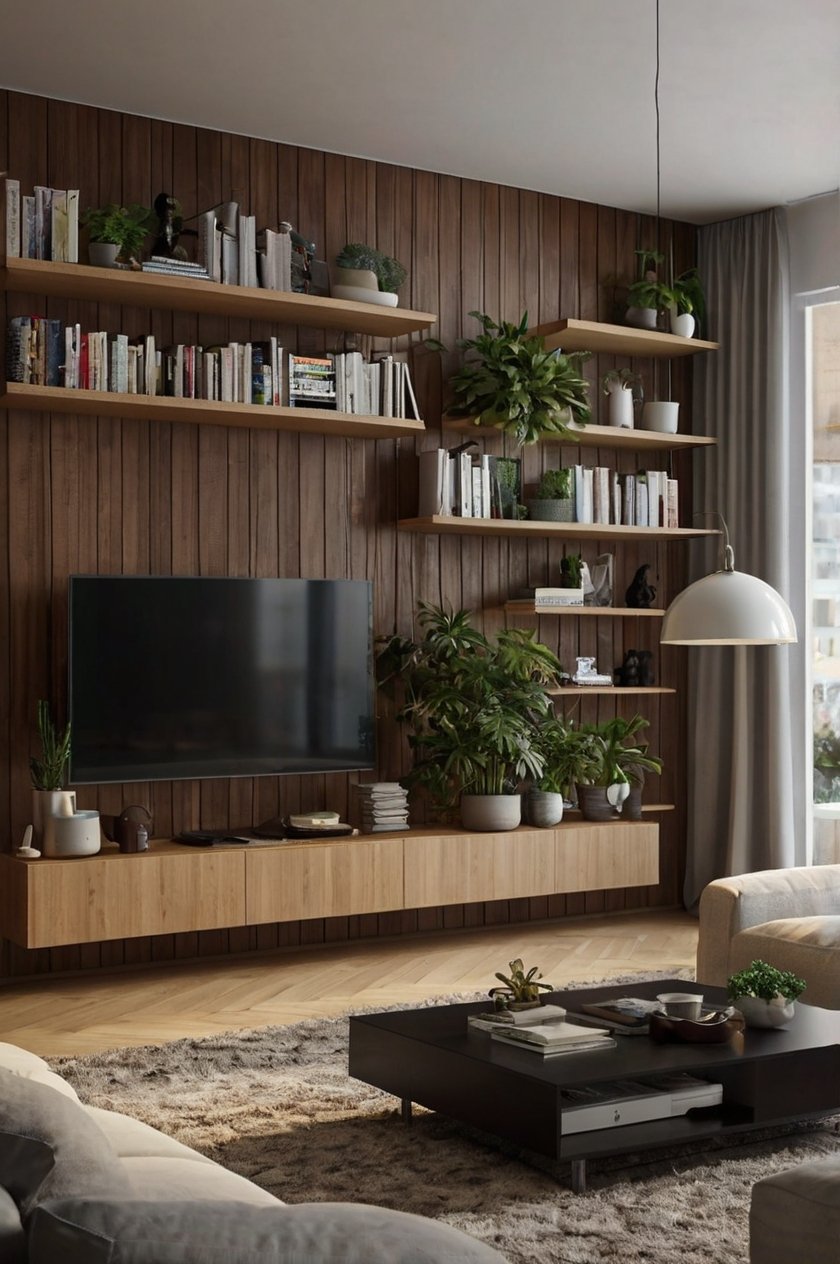
Go for a minimalist approach
In a small living room, less is more. Avoid cluttering the space with too many decorative items and keep the design simple and clean.
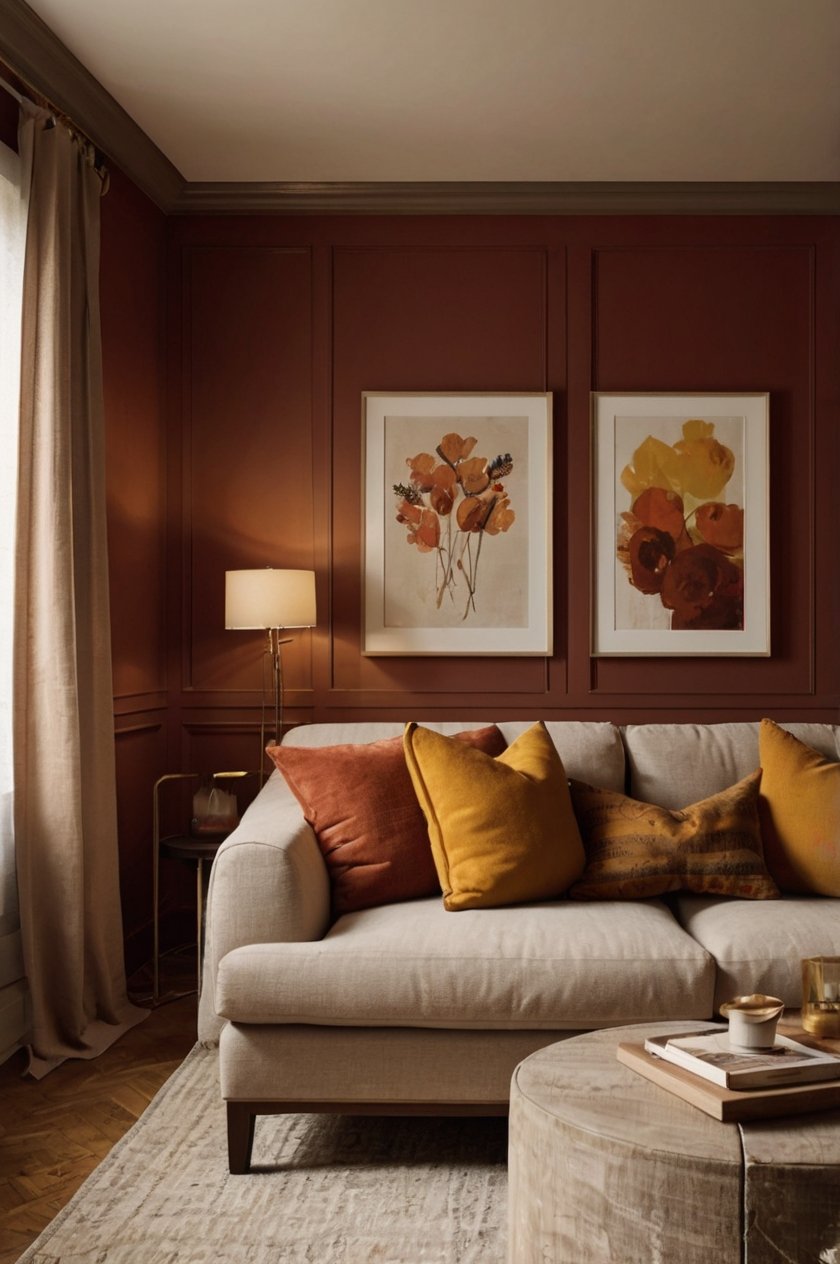
Use furniture with exposed legs
Furniture with exposed legs creates an illusion of more space as it allows light to pass through and makes the room appear less crowded.
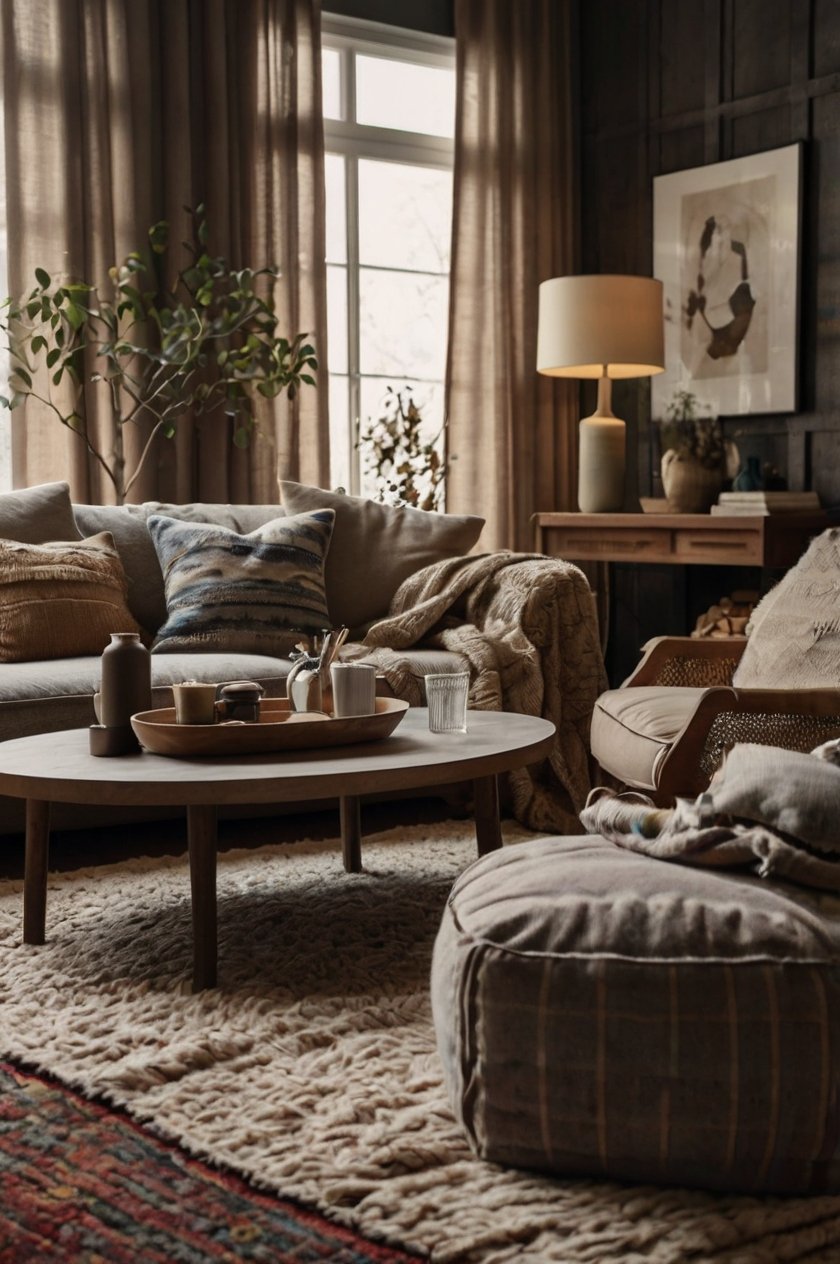
Add plants
Plants not only add a pop of color to a room, but they also help purify the air and create a sense of freshness. Consider adding a few small plants to your living room to brighten up the space.

Install shelves above the door
Make use of the often forgotten space above the door by installing shelves. This is a great way to store books or decorative items without taking up valuable floor space.
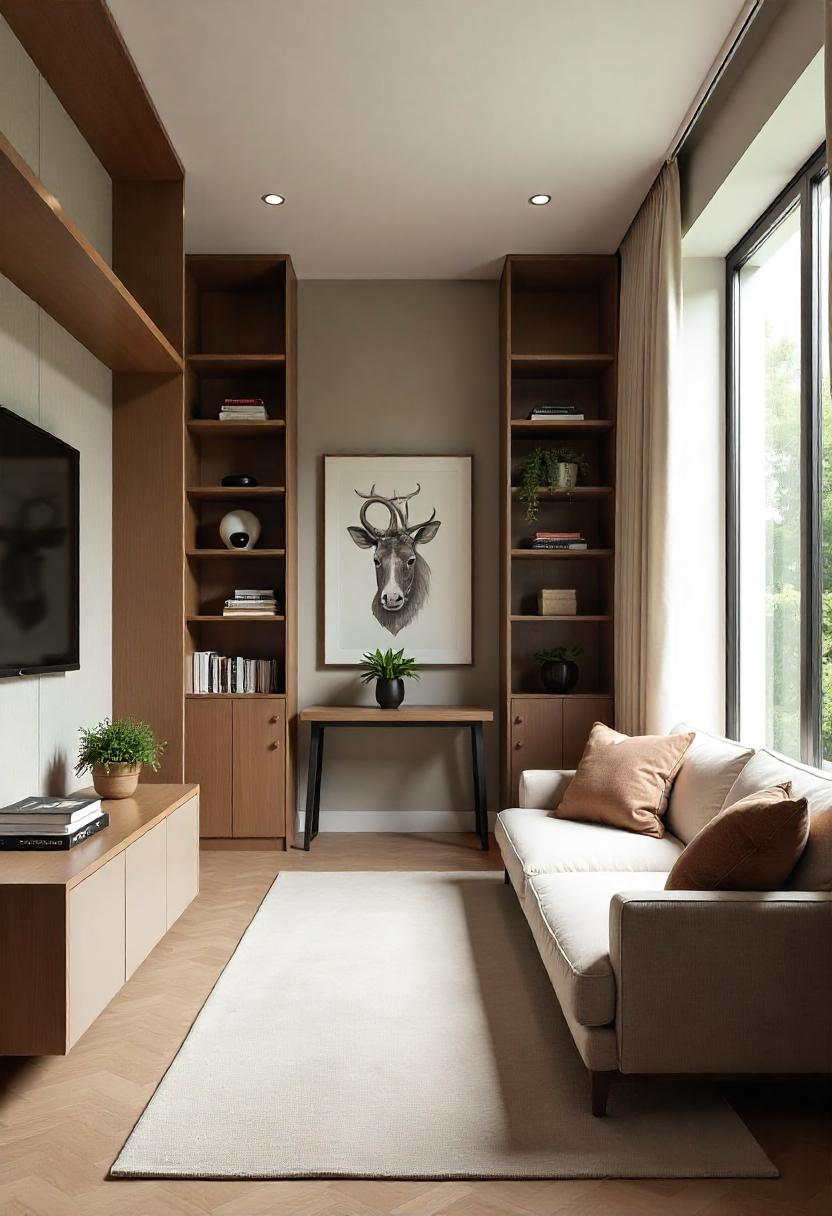
Hang curtains high
Hanging curtains close to the ceiling can make the room appear taller and create a sense of vertical space.
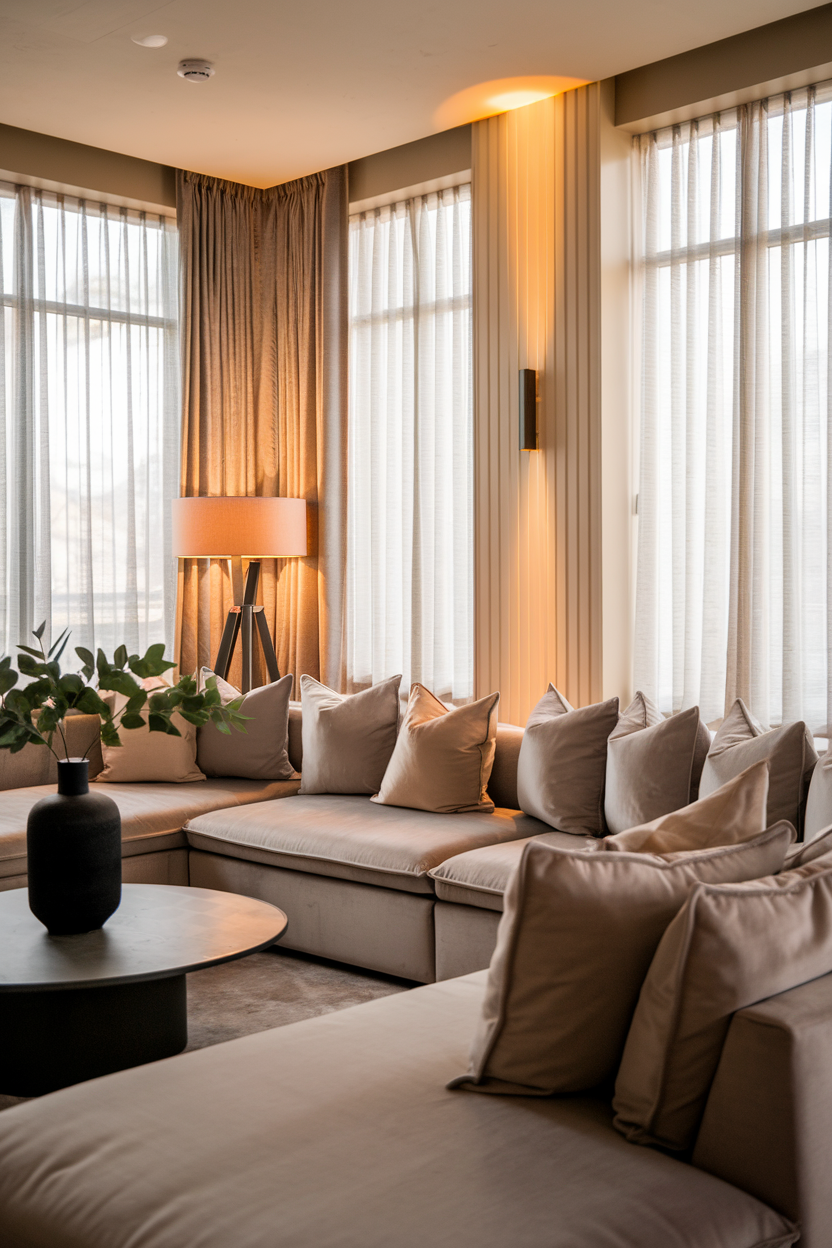
Use a statement piece
Incorporating a statement piece, such as a bold-colored accent chair or a unique piece of artwork, can add character to a small living room and make it stand out.
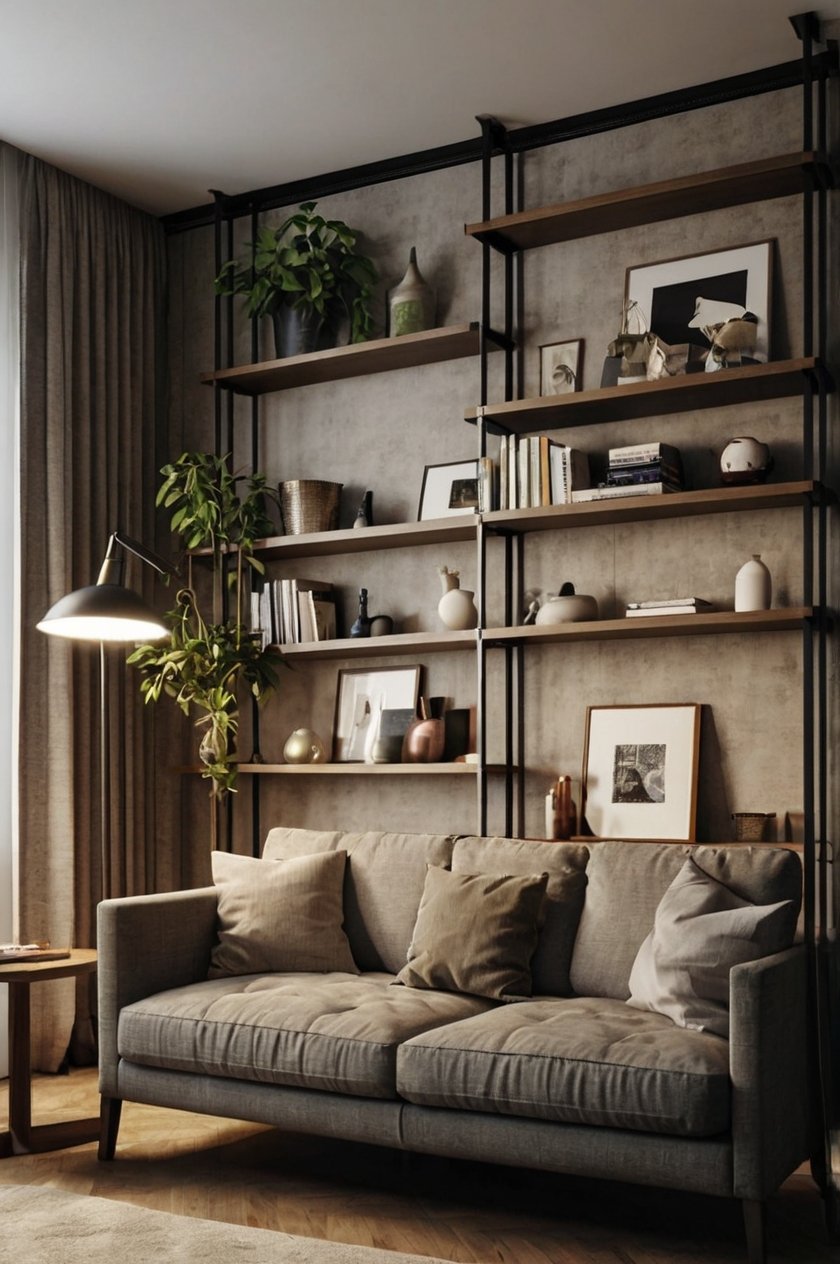
Choose a lightweight coffee table
Opt for a coffee table with a sleek and lightweight design to avoid adding visual weight to the room.
Utilize natural light
Make the most out of natural light by keeping your windows unblocked and using light curtains or blinds. Natural light can make a room appear bigger and more inviting.
Create a focal point
Choose one focal point in your living room, such as a fireplace or a large window, and arrange the furniture around it. This will create a sense of balance and make the room feel more spacious.
Use floating shelves
Floating shelves can be a great addition to a small living room as they provide storage without taking up floor space. Use them to display books, photos, or decorative items.
Add a pop of color
Don’t be afraid to add a pop of color to your small living room. A brightly colored accent wall or a colorful rug can add personality and make the room feel more vibrant.
Incorporate different textures
Mix and match different textures, such as velvet, leather, and fur, to add visual interest and depth to your living room.
Keep it clutter-free
Last but not least, keep your small living room clutter-free. Invest in storage solutions, such as baskets or storage ottomans, to keep things organized and out of sight.
Also read:
20 Best Inspiring Living Room Ideas.
Conclusion
With these 20 small living room ideas, you can create a stylish and functional space that maximizes your square footage. Remember to keep the design simple and utilize every inch of space to make the most out of your small living room. Happy decorating!