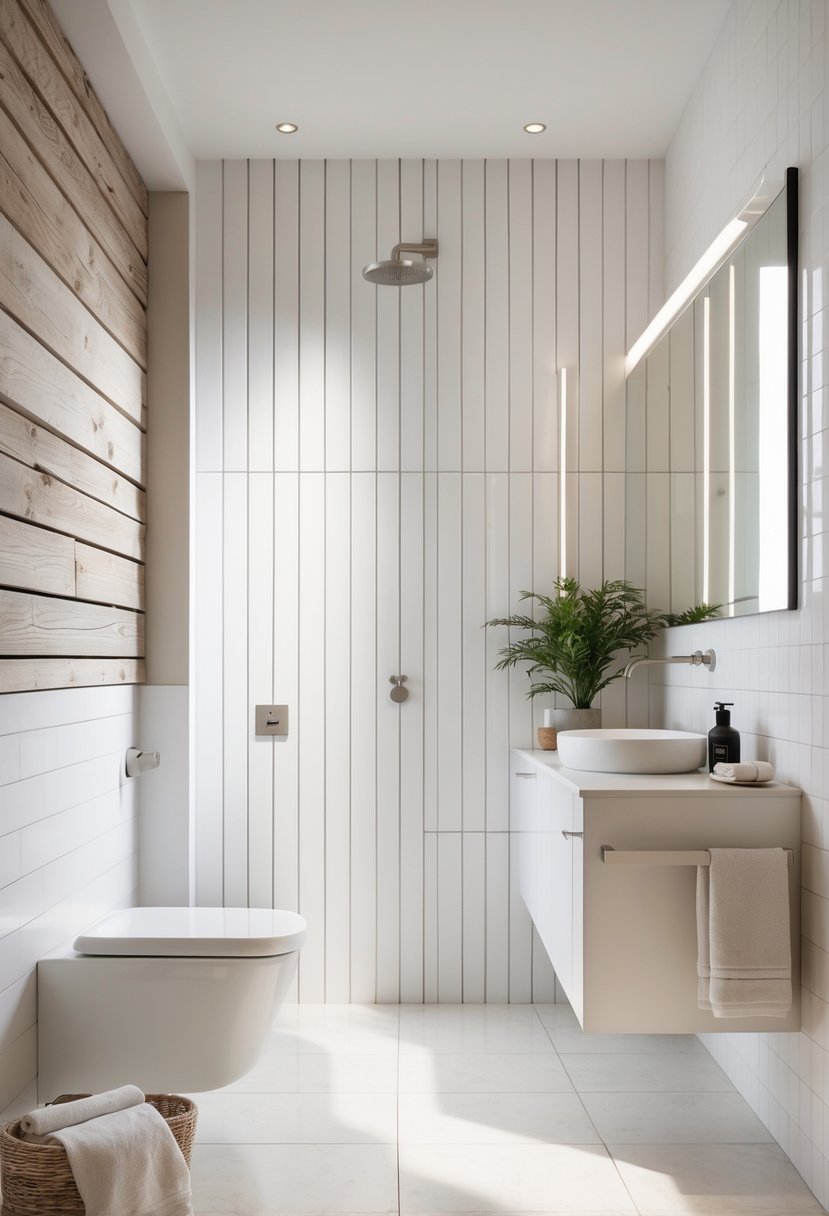
15 Microcement Bathroom Ideas for Modern Stylish Spaces
Are you dreaming of a bathroom that feels seamless, serene, and effortlessly modern? Move over, subway tiles and scrubbing grout lines. In 2025, the most coveted bathroom aesthetic is the “continuous surface,” and microcement is the material leading the charge. Once reserved for industrial lofts, this versatile coating has become the darling of luxury home renovations, prized for its ability to cover floors, walls, and even furniture in one uninterrupted sweep.
The appeal of microcement lies in its raw, organic beauty. It offers the cool, edgy look of concrete but with a softer, warmer tactile finish. It is waterproof, highly durable, and perhaps most importantly, easy to clean, as it eliminates the mold-prone joints that plague traditional tiled bathrooms.
Whether you are aiming for a Mediterranean “cave” aesthetic, a Japandi-style sanctuary, or a stark Brutalist statement, microcement is the canvas you’ve been looking for. We have curated 15 Microcement Bathroom Ideas to show you how this seamless material can completely redefine your space, from custom integrated sinks to wall-to-floor immersion.
Microcement is a versatile and durable material that’s becoming increasingly popular for bathroom renovations. Its seamless finish and modern appeal make it an excellent choice for those looking to update their space with a sleek, easy-to-maintain surface.
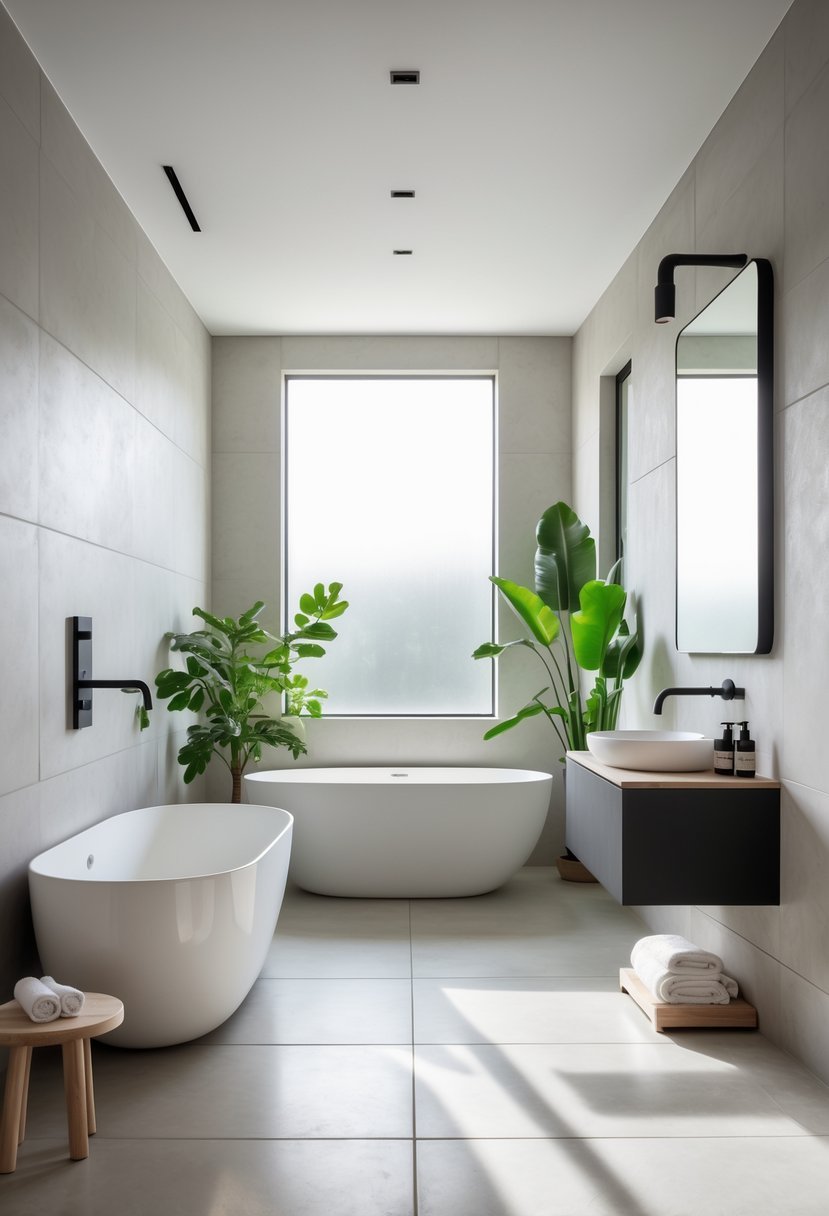
If you’re considering a bathroom remodel, microcement offers practical benefits along with aesthetic flexibility. It allows you to create a stylish and functional environment.
In this article, I’ll share 15 ideas that showcase the range of possibilities microcement provides for any bathroom style.
Table of Contents
1) Seamless microcement floors for a sleek, modern look
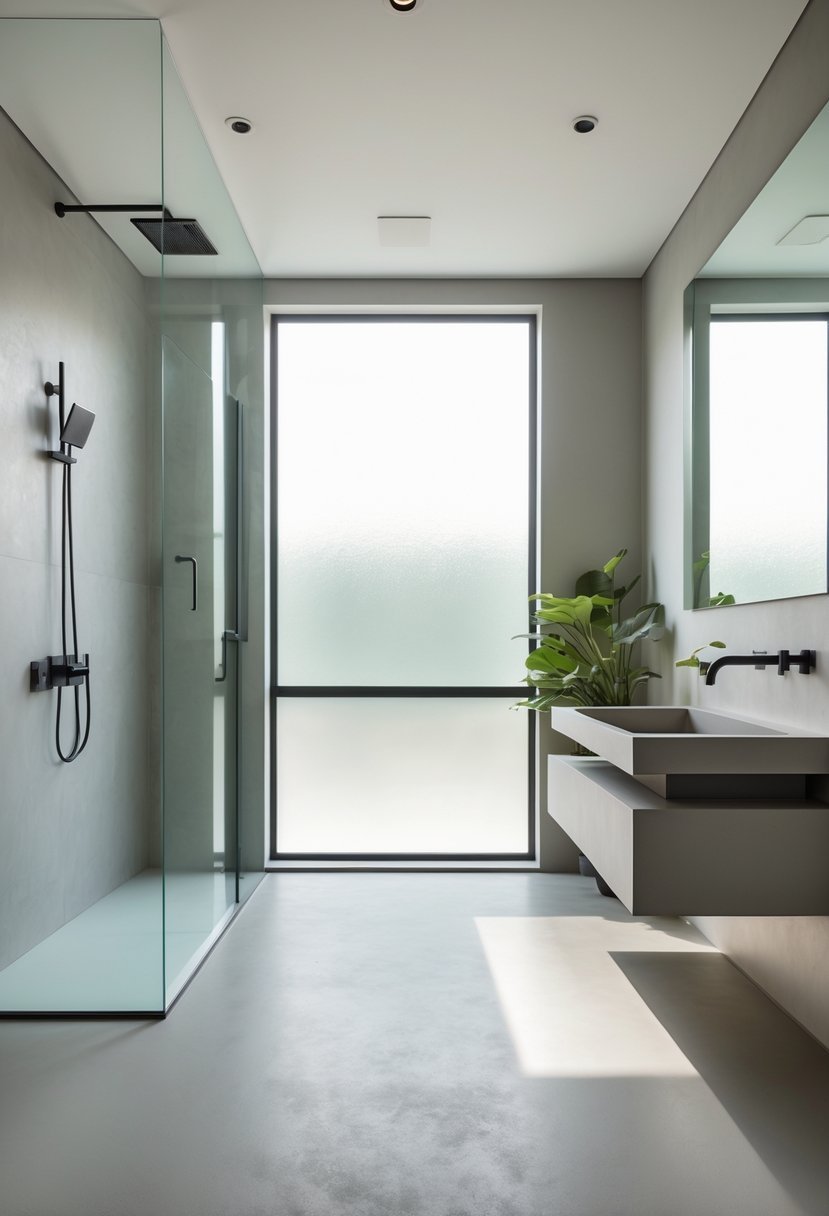
I appreciate how seamless microcement floors instantly create a clean and contemporary atmosphere in any bathroom. The absence of grout lines means the surface feels smooth and uninterrupted, enhancing the modern aesthetic.
Microcement floors are visually appealing and practical. They can be applied directly over existing flooring, which often reduces renovation time and mess.
Microcement’s durability and waterproof qualities make it an excellent option for wet environments like bathrooms.
2) Wall cladding with light grey microcement for minimalist style
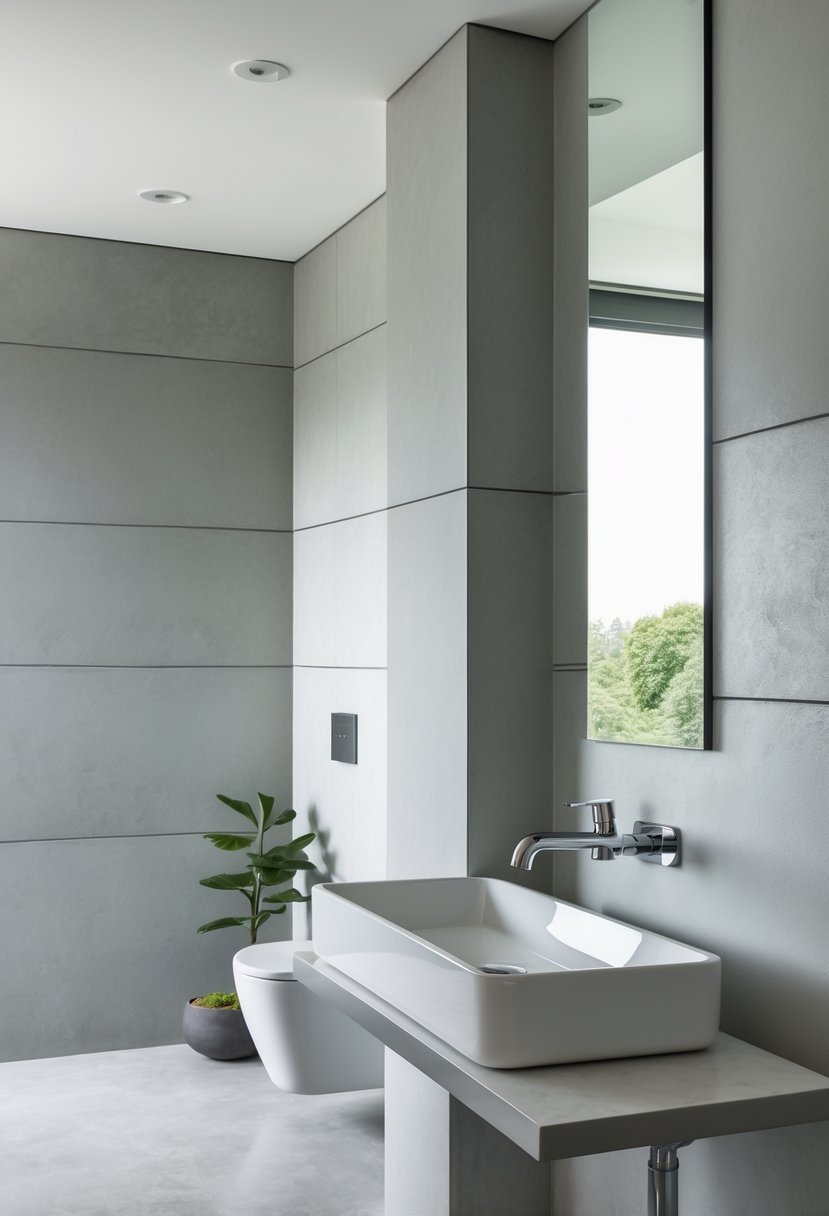
I find light grey microcement an excellent choice for wall cladding in minimalist bathrooms. Its subtle tone enhances natural light, creating a sense of spaciousness without overwhelming the space.
The smooth, seamless finish keeps the look clean and modern. Applying light grey microcement on walls removes visual clutter by eliminating grout lines and tiles.
This simplicity aligns perfectly with minimalist principles. It also provides a neutral backdrop, allowing fixtures or accessories to stand out subtly.
I appreciate how this color reflects light softly, making the bathroom feel bright and comfortable.
3) Textured microcement feature wall to add depth
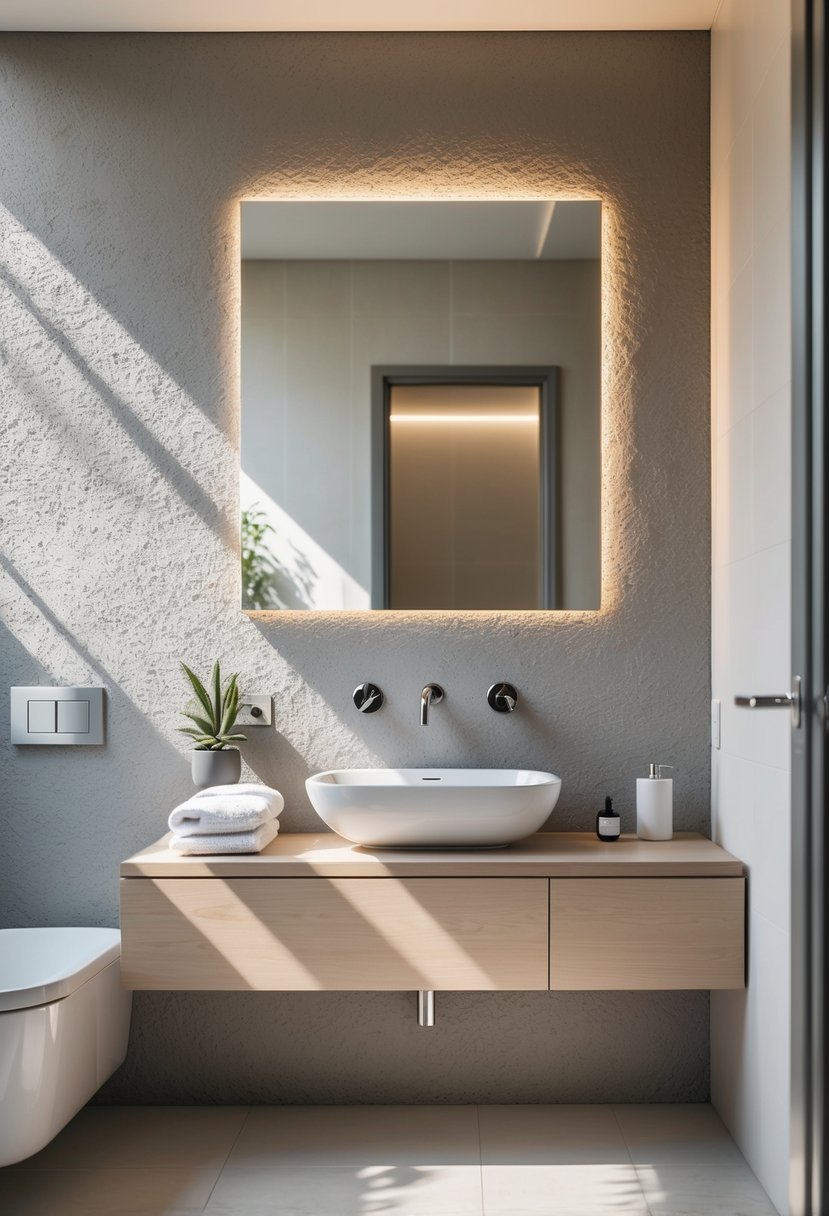
A textured microcement feature wall brings a unique dimension to any bathroom. The texture introduces subtle shadows and variation, making the space feel more dynamic.
You can choose from different patterns or rough finishes to match your design preferences. For example, a wall behind the bathtub with a slight texture creates an elegant focal point without overwhelming the room.
Adding texture breaks up the uniformity of smooth surfaces and invites the eye to explore. It pairs well with sleek fixtures, offering a balanced contrast that enhances the overall atmosphere.
4) Waterproof microcement shower enclosures
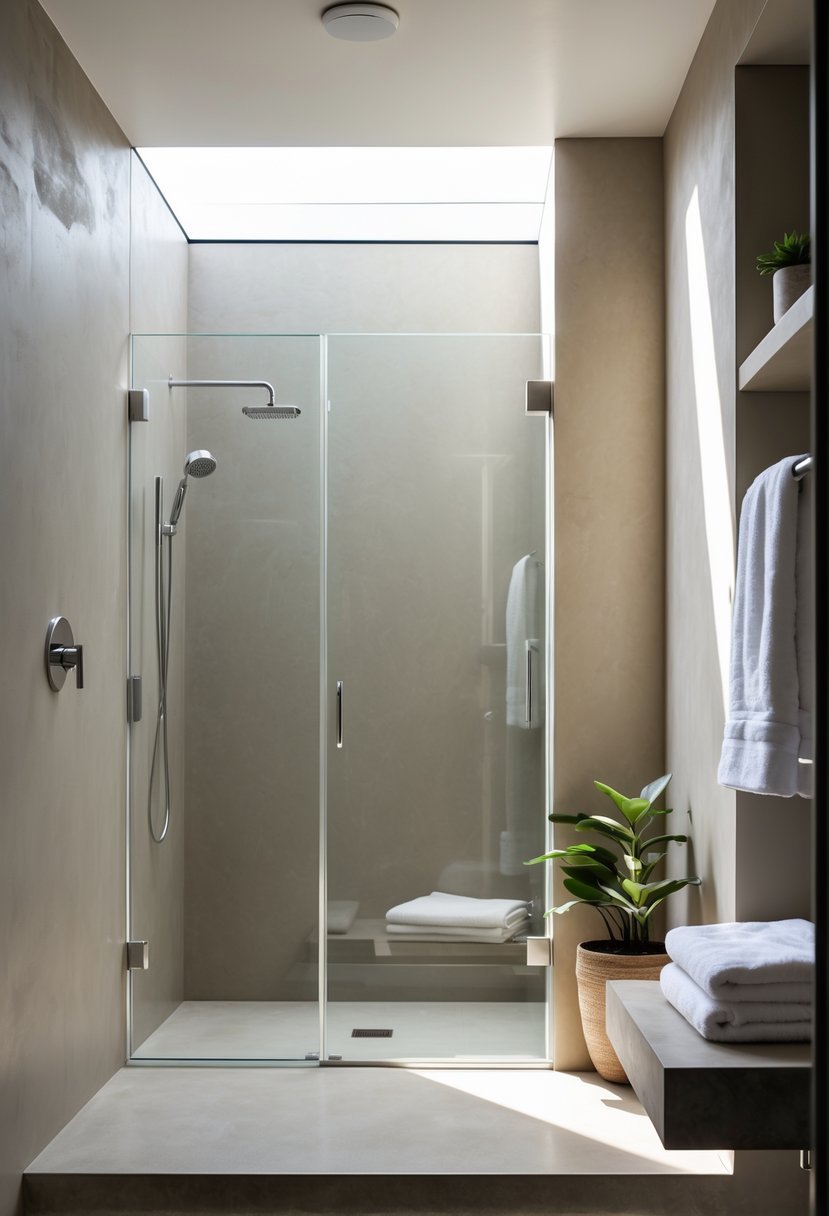
Waterproof microcement shower enclosures are a smart choice for modern bathrooms. They offer a seamless surface that prevents water from seeping through, reducing leaks and damage over time.
The material is durable and easy to clean, which suits busy lifestyles well. When sealed properly, microcement becomes slip-resistant, adding a safety benefit in wet areas.
Combining microcement with glass partitions enhances the space by maintaining a sleek, open look.
5) Matte finish microcement countertops
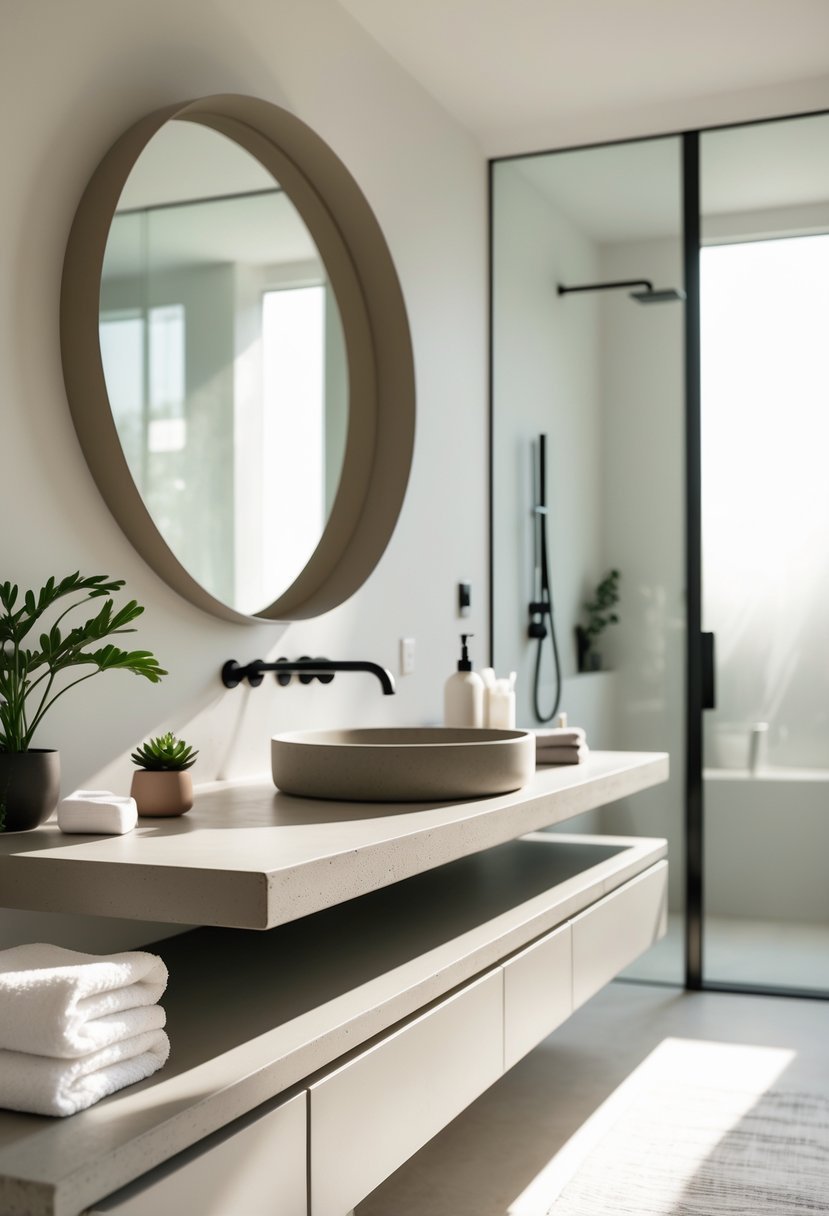
Matte finish microcement countertops are a strong choice for bathrooms. Their subtle texture reduces glare, creating a calming and natural look.
The matte surface feels smooth but not slippery, which adds practicality. This finish highlights microcement’s ability to blend aesthetics with function.
It resists water and stains well, which is essential in a bathroom environment. I appreciate how it can be customized with various colors while maintaining a consistent matte tone.
Because microcement is applied in thin layers, these countertops have a seamless appearance. This creates clean lines and a modern vibe.
6) Integrated microcement sinks for a cohesive design
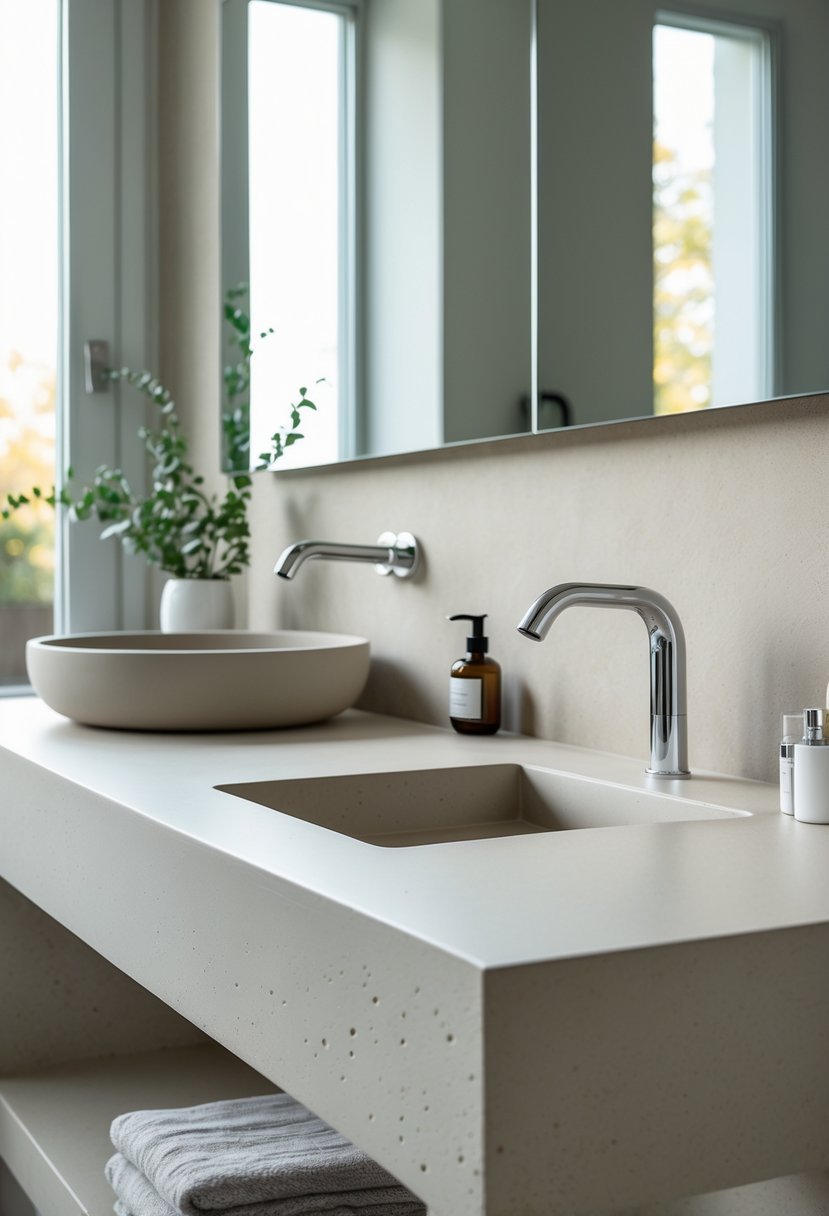
Integrated microcement sinks are ideal for achieving a seamless bathroom look. Since the sink and countertop share the same material, it creates a smooth, continuous surface without visible joints.
This design minimizes clutter and enhances the modern appeal of the space. Microcement allows me to customize the shape and finish of the sink easily.
Whether I want minimalist lines or gentle curves, the material adapts well. It also offers durability and waterproofing, which are essential in wet areas.
Using microcement for sinks helps unify different bathroom elements. It blends naturally with walls and floors, making the overall design feel balanced and cohesive.
7) Bold color microcement accents for contrast
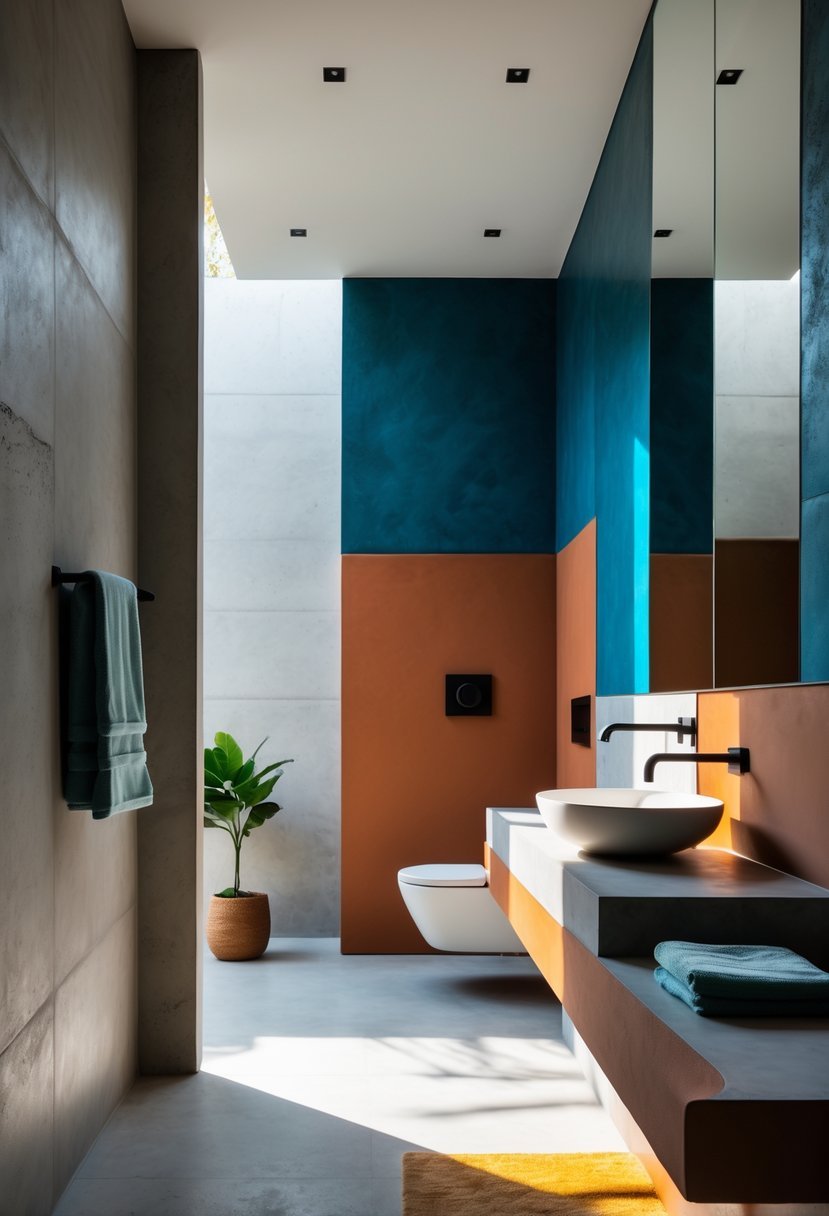
I often recommend using bold color accents in microcement to add striking contrast to a bathroom. Deep blues, blacks, or rich greys can create a powerful visual impact without overwhelming the space.
Applying microcement in these shades on an accent wall or around fixtures gives a modern, sophisticated feel. It also highlights clean lines and smooth finishes, emphasizing the material’s versatility.
Choosing bold colors lets me balance vibrancy with subtle textures, making the bathroom feel both dynamic and cohesive.
8) Monochrome microcement walls and floors
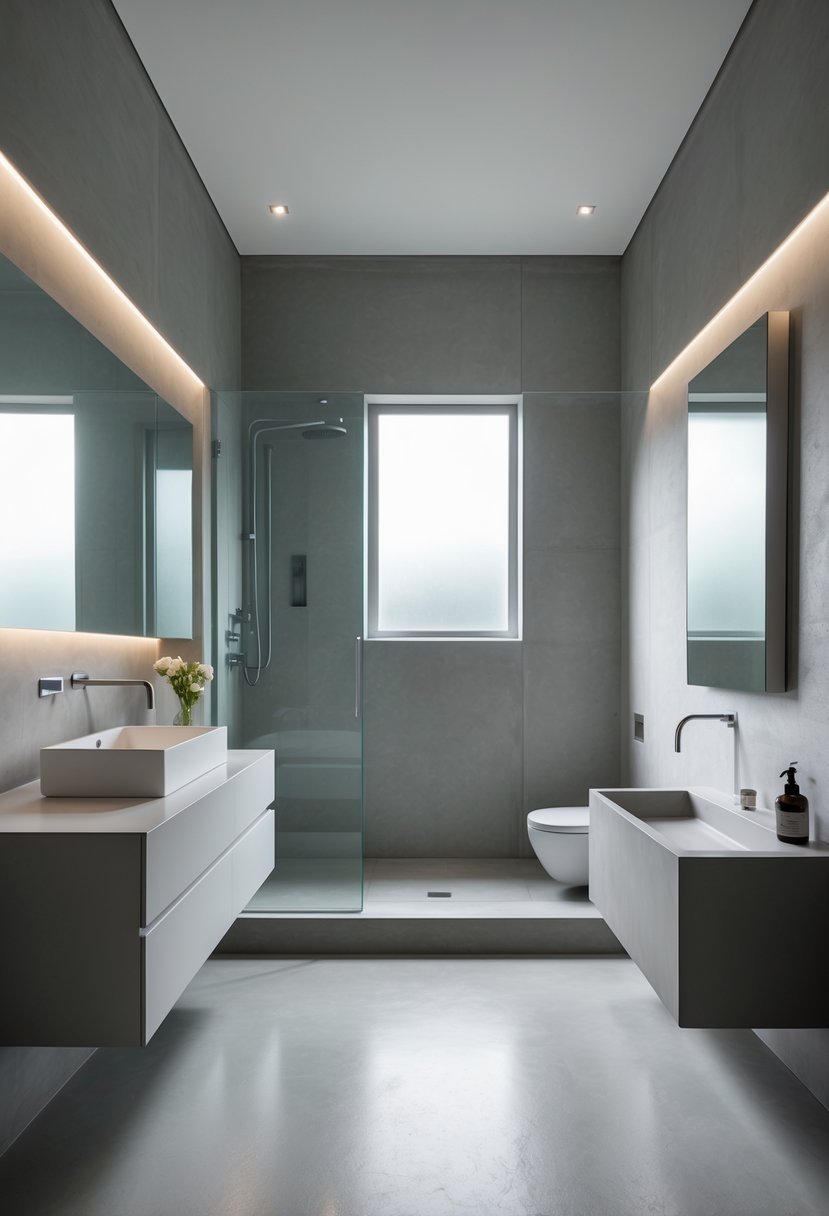
Using monochrome microcement on both walls and floors creates a strong, unified look. It simplifies the space, making the bathroom feel more open and cohesive.
The smooth, seamless finish contributes to a clean and modern appearance without visual clutter. Choosing a single color can also highlight natural light, especially with lighter shades like white or soft gray.
This brightens the room and enhances the minimalist vibe. The durability and water resistance of microcement make it practical for damp areas while maintaining style.
Monochrome designs allow me to focus on texture and subtle variations in finish. This avoids monotony and adds depth without disrupting the calm, consistent feel of the space.
9) Spa-inspired microcement bathtub surrounds
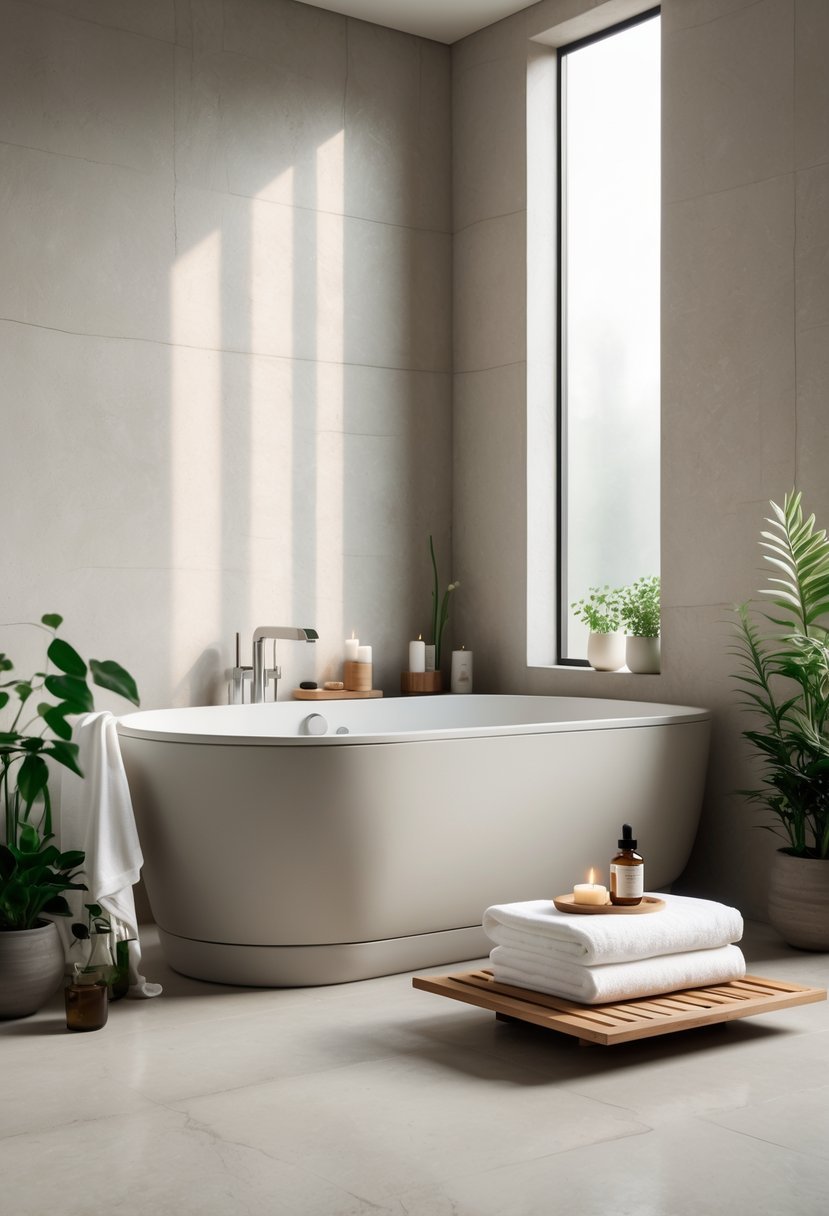
Microcement creates a seamless, sleek look around the bathtub. Its smooth surface eliminates grout lines, making maintenance easier and the bathroom feel more spacious.
For a spa-like atmosphere, microcement surrounds enhance both aesthetics and functionality. The material’s water resistance and durability give confidence that the finish will last without frequent repairs.
Microcement’s ability to blend with various styles means the surround can be customized to match the bathroom’s design. This flexibility allows for a calm, modern retreat without sacrificing style or practicality.
10) Microcement niches for stylish storage
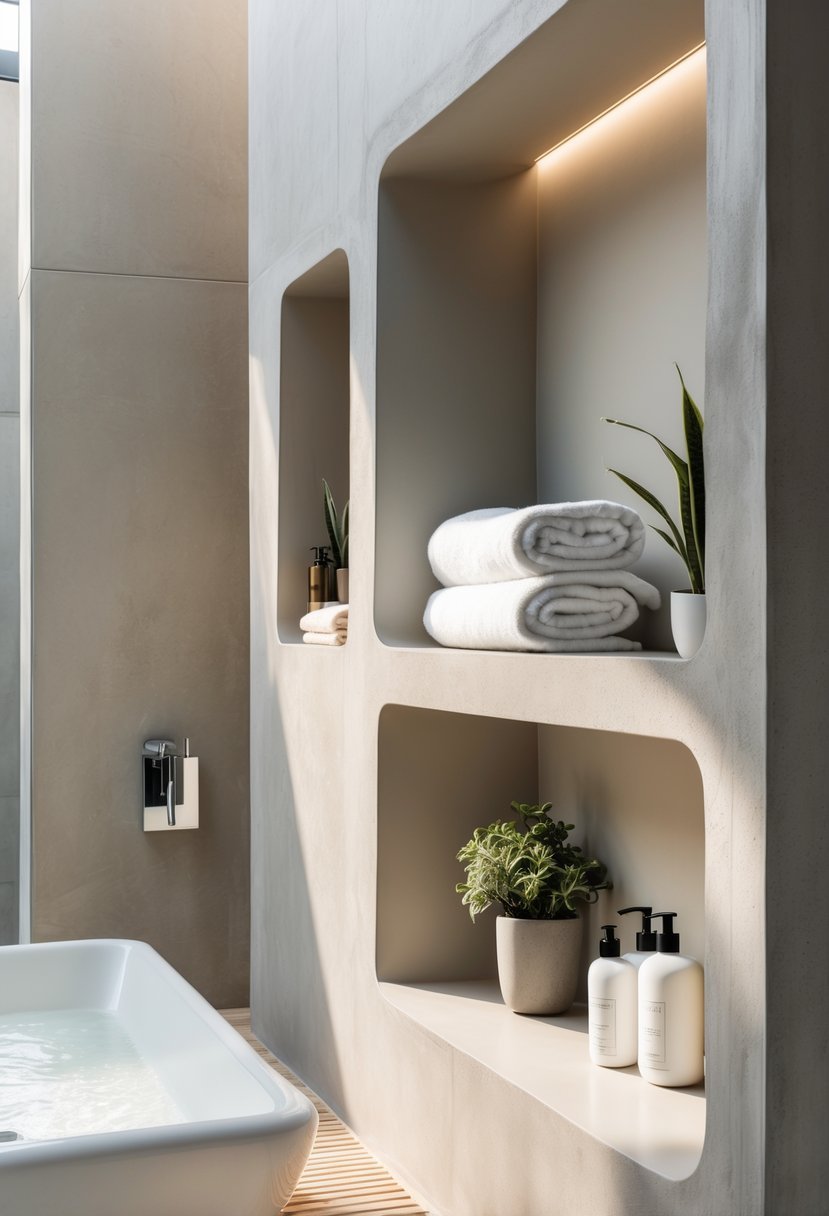
Microcement niches are an excellent solution for adding storage to a bathroom without disrupting its clean design. These recessed spaces blend seamlessly with the surrounding wall, offering a sleek and modern way to keep essentials organized.
Using microcement allows the niche to match the rest of the bathroom’s surface, creating a continuous, elegant look. It also resists moisture well, which is crucial in wet areas like showers.
Microcement niches are versatile, fitting various sizes and locations. Whether placed near the sink or inside the shower, they provide functional storage while enhancing the room’s style.
11) Underfloor heating compatible microcement
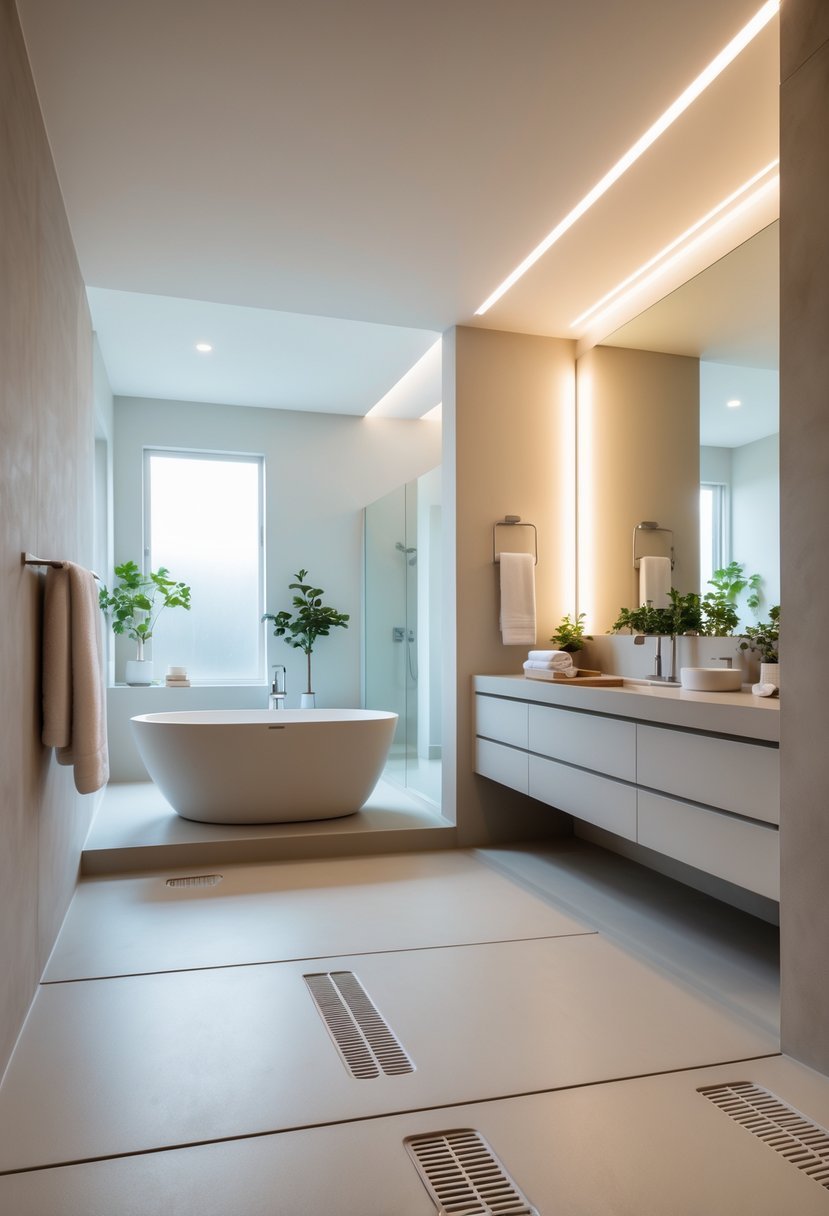
Microcement is an excellent choice when paired with underfloor heating. Its thin application layer allows heat to pass through efficiently, creating a warm surface without sacrificing style.
When applying microcement over heating systems, proper subfloor preparation is essential. The heating should be gradually warmed up during installation to avoid cracks and ensure durability.
Microcement’s thermal conductivity makes it practical for bathrooms, where warmth and moisture resistance are important. It works well in modern designs, keeping spaces comfortable year-round.
12) Microcement kitchen-bathroom open-plan design
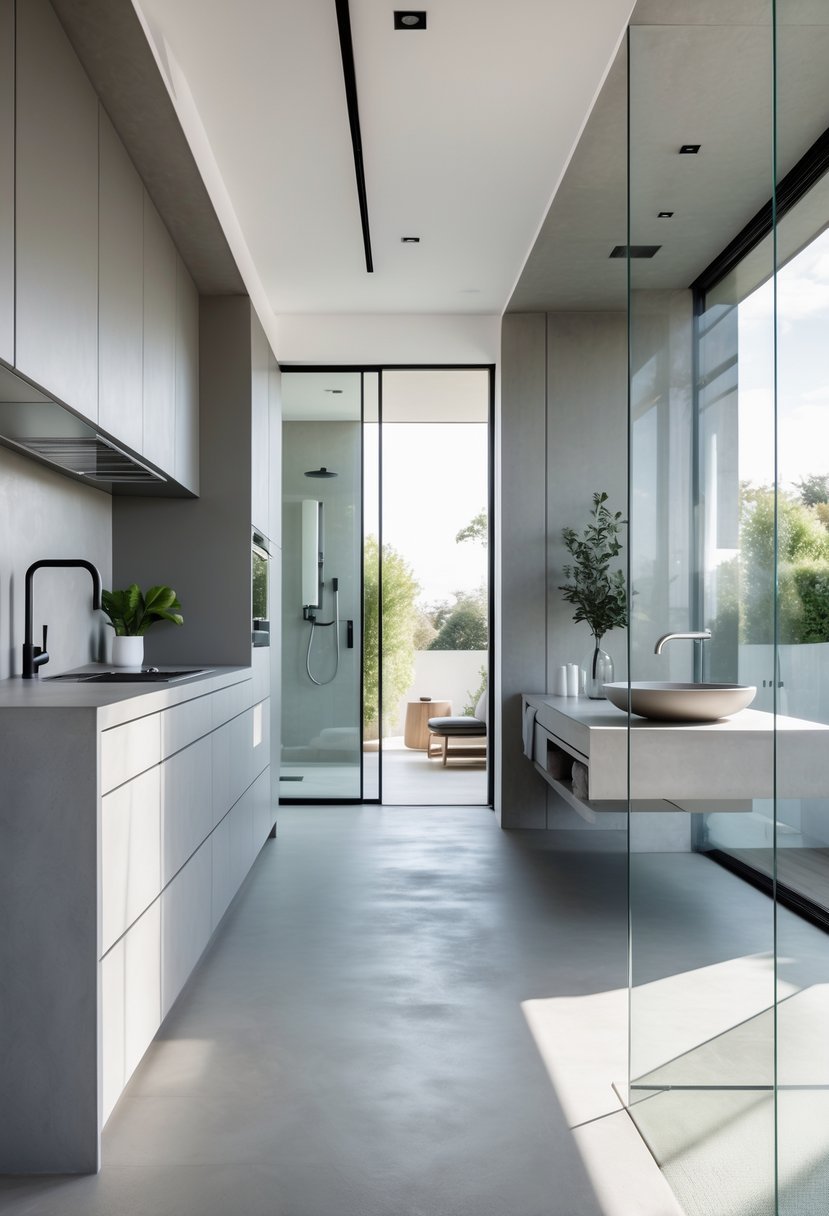
Microcement is an excellent choice for open-plan kitchen and bathroom areas. Its seamless finish creates a smooth transition between the two spaces, enhancing the flow and making the design feel unified.
Microcement works well on floors, walls, and countertops, allowing for consistency throughout the open area. It also resists moisture, which is essential in both kitchens and bathrooms.
Using microcement, I can play with different colors and textures to define zones without breaking the continuity. This keeps the space modern and easy to clean.
13) Polished microcement for a reflective surface
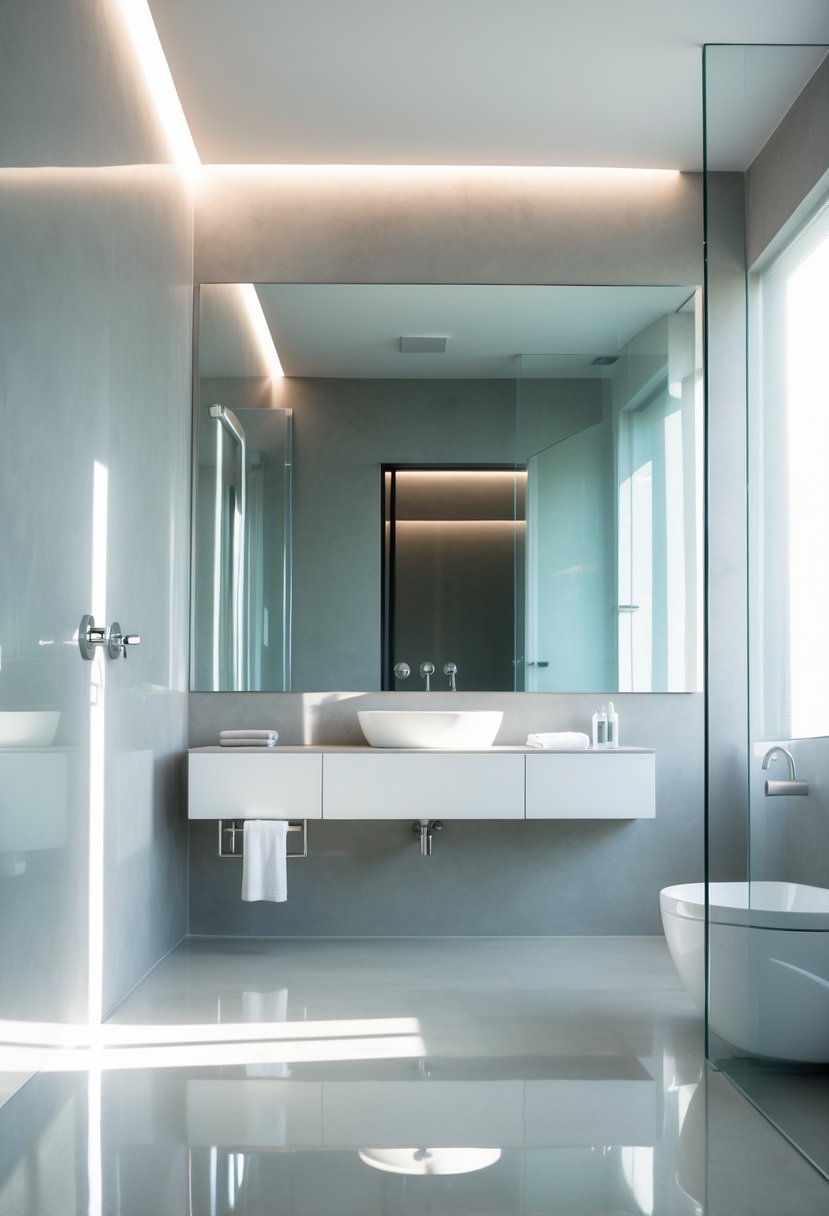
Polished microcement is a great option when aiming for a sleek, reflective finish in the bathroom. The surface reflects light well, which can make smaller spaces feel brighter and more open.
The polishing process enhances the natural texture of the microcement while providing a smooth and shiny look. This makes it easy to clean and maintain, especially around sinks or countertops.
Using polished microcement supports a modern aesthetic without the need for additional materials like glass or metal. It’s a simple way to add sophistication while keeping durability and practicality in mind.
14) Microcement combined with natural wood accents
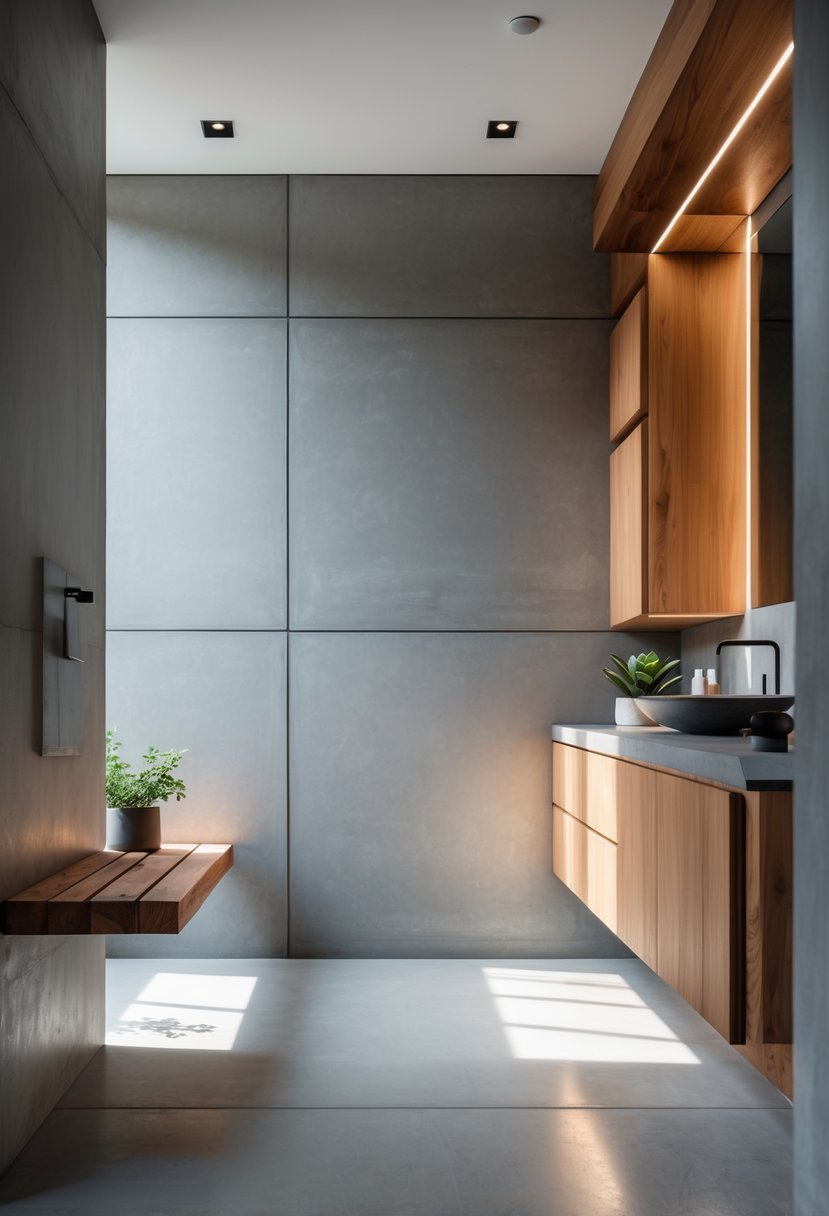
I appreciate how microcement’s smooth, modern finish contrasts beautifully with the warmth of natural wood.
This combination brings balance, creating a bathroom that feels both contemporary and inviting.
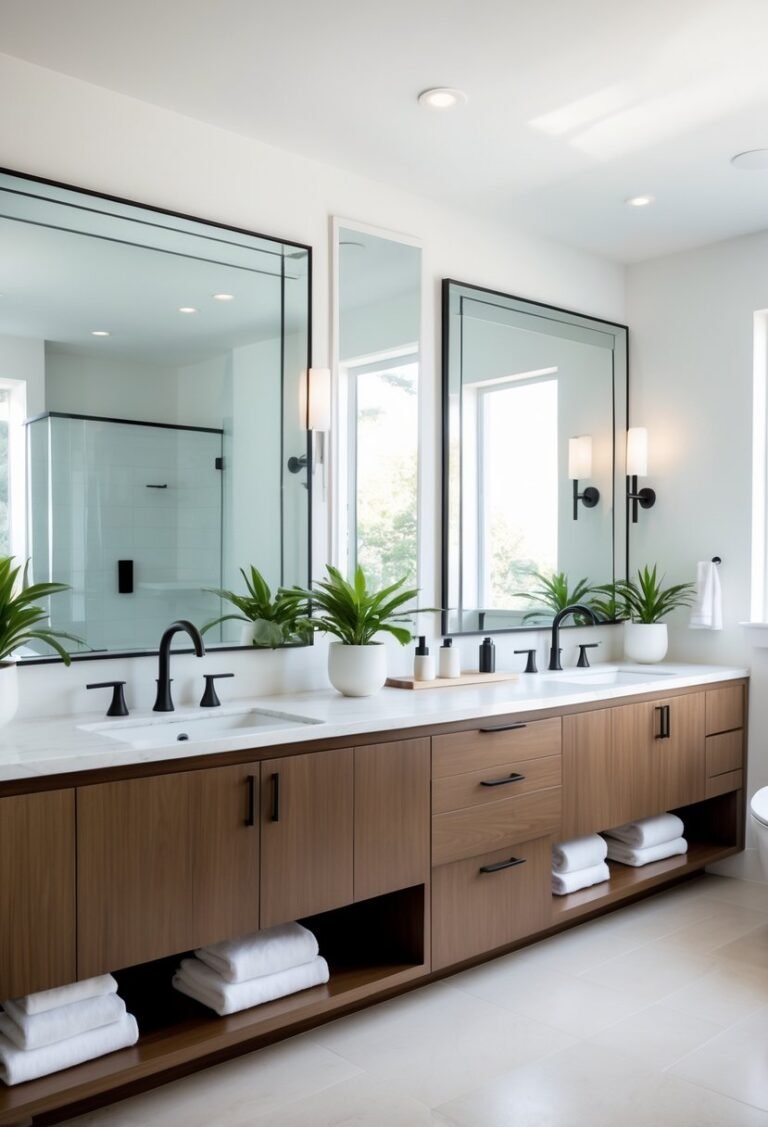
Using wooden vanities or shelves against microcement walls adds texture and depth without overwhelming the space.
It’s practical, too—microcement is durable and water-resistant, while wood introduces organic softness.
Pairing these materials requires attention to proportion and tone.
Light or medium wood works best with neutral microcement shades like beige or taupe.
15) Custom stenciled microcement patterns
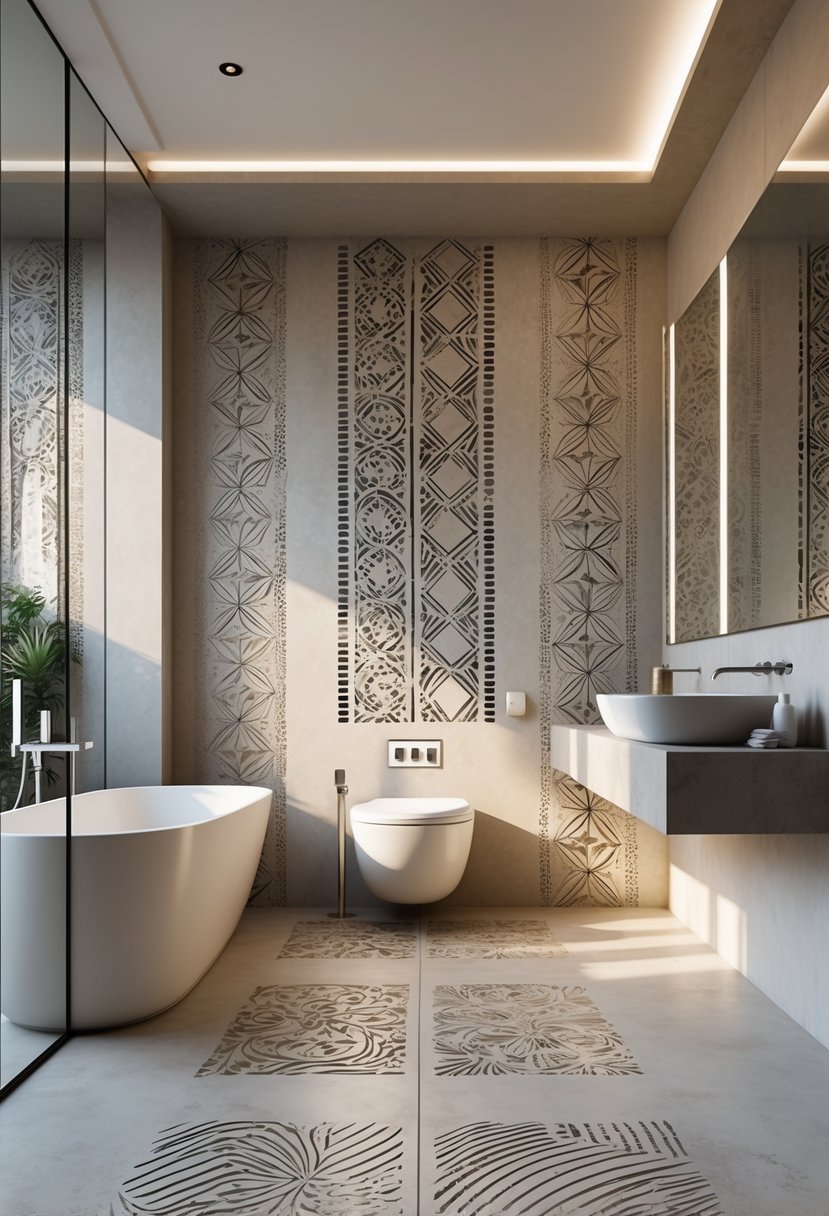
I find custom stenciled patterns on microcement to be a striking way to personalize a bathroom without a full renovation.
This technique adds texture and visual interest while keeping the seamless look microcement is known for.
By applying stencils over wet microcement, I can create precise designs that range from subtle geometric shapes to bold artistic motifs.
It’s a flexible approach that allows me to match diverse styles, from modern minimalism to more decorative themes.
Stenciled microcement also offers a practical benefit.
It refreshes the space without altering the material’s durability or maintenance requirements.
Conclusion
Seamless design is more than a look; it’s a feeling of calm. As we’ve explored, microcement is not just a fleeting trend—it is a practical solution for creating bathrooms that are as durable as they are beautiful. By eliminating visual interruptions like transitions and grout, you create a space that feels larger, quieter, and significantly more cohesive. Whether you used it to clad a custom floating vanity or to envelop the entire room in a soft beige cocoon, the result is undeniably sophisticated.
However, a word of advice for your renovation: craftsmanship matters. Achieving that velvety, waterproof finish requires a skilled hand, so invest in professional application to ensure your bathroom stands the test of time (and moisture).
If you are ready to embrace the beauty of imperfection and the luxury of continuity, microcement is your answer. It’s time to smooth out the edges of your daily routine.