15 Travertine Bathroom Ideas for Elegant and Timeless Design
For years, the design world was dominated by the cool, crisp look of Carrara marble and subway tile. But recently, the pendulum has swung back toward warmth, texture, and organic luxury, bringing travertine back into the spotlight. Once the hallmark of early 2000s Tuscan-style homes, this limestone has been reimagined for the modern era. It is no longer just about heavy, rustic beige; today’s travertine is sleek, honed, and undeniably sophisticated.
Travertine brings an earthy grounding to a bathroom that few other materials can match. Its natural pitting and soft, sandy hues create a spa-like atmosphere that feels ancient yet contemporary. Whether you are interested in large-format slabs for a minimalist look, or tumbled tiles for a textured, tactile experience, this stone offers incredible versatility. From floating vanities to walk-in showers, here are 15 travertine bathroom ideas that prove this classic stone is the ultimate choice for a high-end, organic retreat.
Travertine is a durable natural stone that adds warmth and texture to a bathroom space. I find its versatility suitable for a variety of design styles, from modern to rustic, making it a reliable choice for those looking to upgrade their bathroom.
If you want to enhance your bathroom with timeless elegance and natural beauty, travertine offers many practical and aesthetic benefits. In this article, I will share 15 ideas to help you explore different ways to use travertine in your bathroom design.
Table of Contents
1) Use large travertine tiles for a seamless floor look
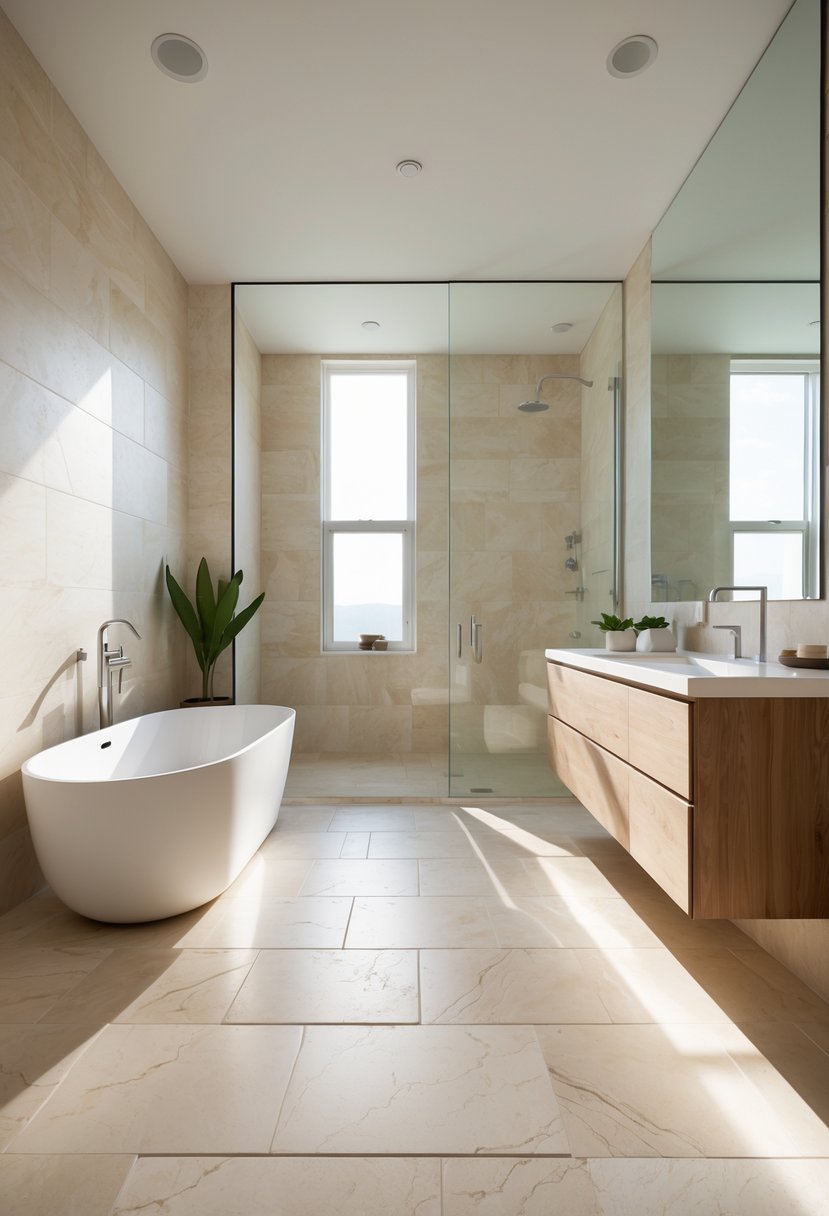
I prefer using large travertine tiles when designing a bathroom floor because they create a smooth, uninterrupted surface. This approach reduces grout lines, making the floor easier to clean and maintain.
Large tiles also help the space feel more cohesive and visually larger. The natural variations in travertine add subtle texture, avoiding a flat appearance while keeping the look refined.
When sealed properly, these tiles resist water damage and keep their beauty over time. For anyone seeking a balanced combination of elegance and practicality, large travertine tiles are an effective choice.
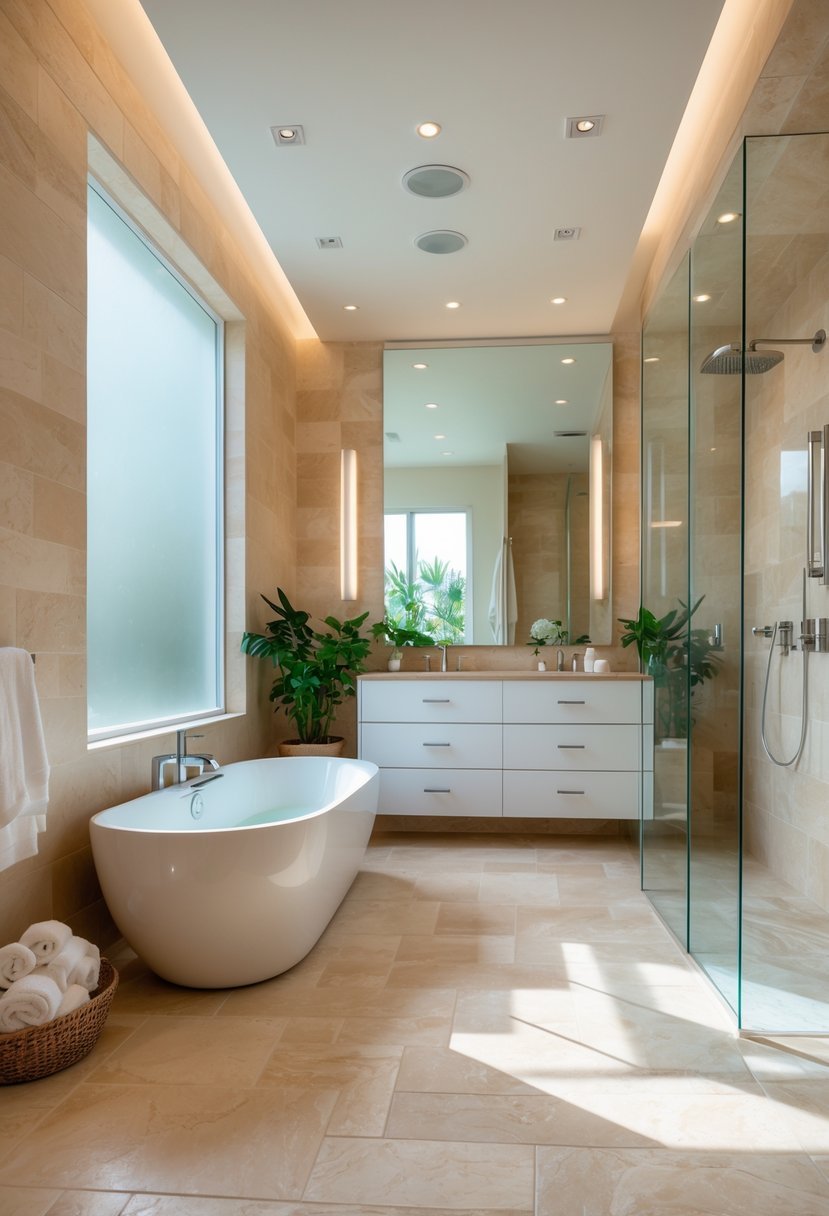
2) Incorporate travertine around the bathtub for natural warmth
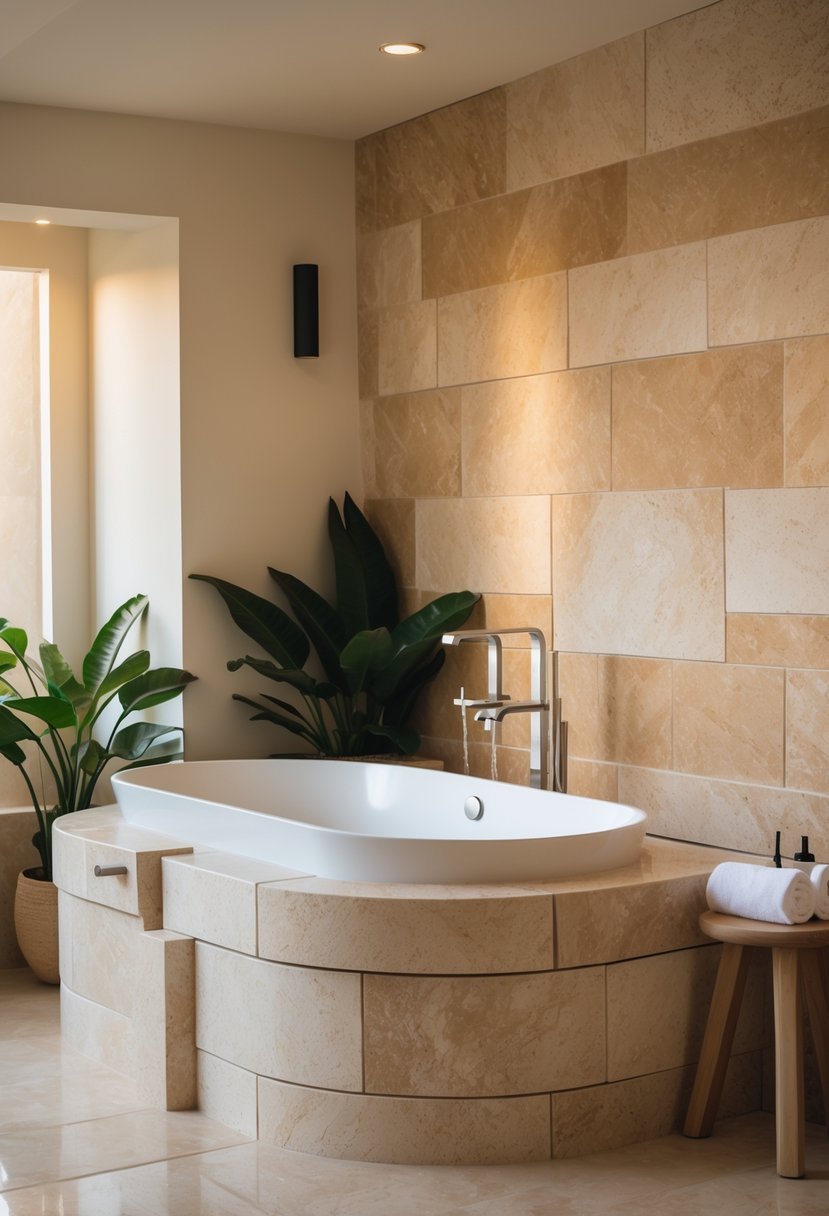
I like using travertine around the bathtub because it adds a subtle, natural warmth to the space. The stone’s earthy tones create a calm, grounding effect that makes the bathroom feel more inviting.
Travertine is also practical here, as it resists moisture well and provides a slightly textured surface. This reduces slipperiness, which is important near wet areas like the tub.
I often choose to extend the travertine from the floor up the tub surround or even on the ledge. This continuity brings cohesion while highlighting the bathtub as a focal point in the room.
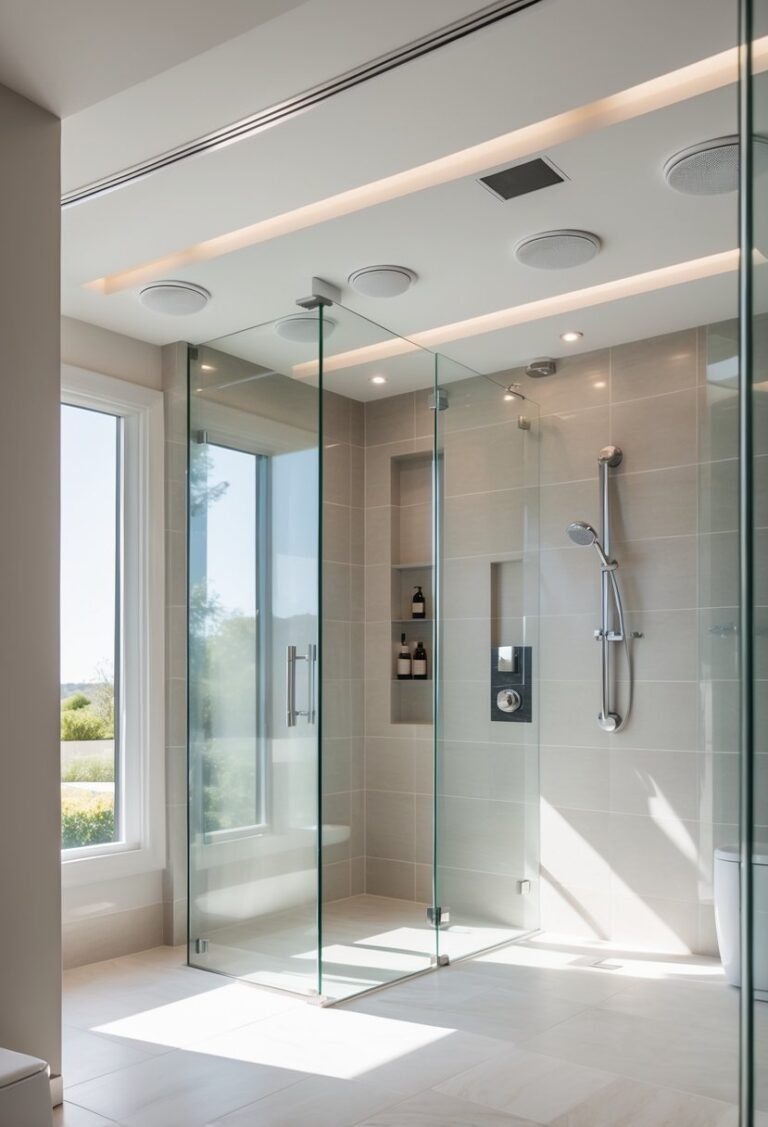
3) Design a double shower with travertine wall accents
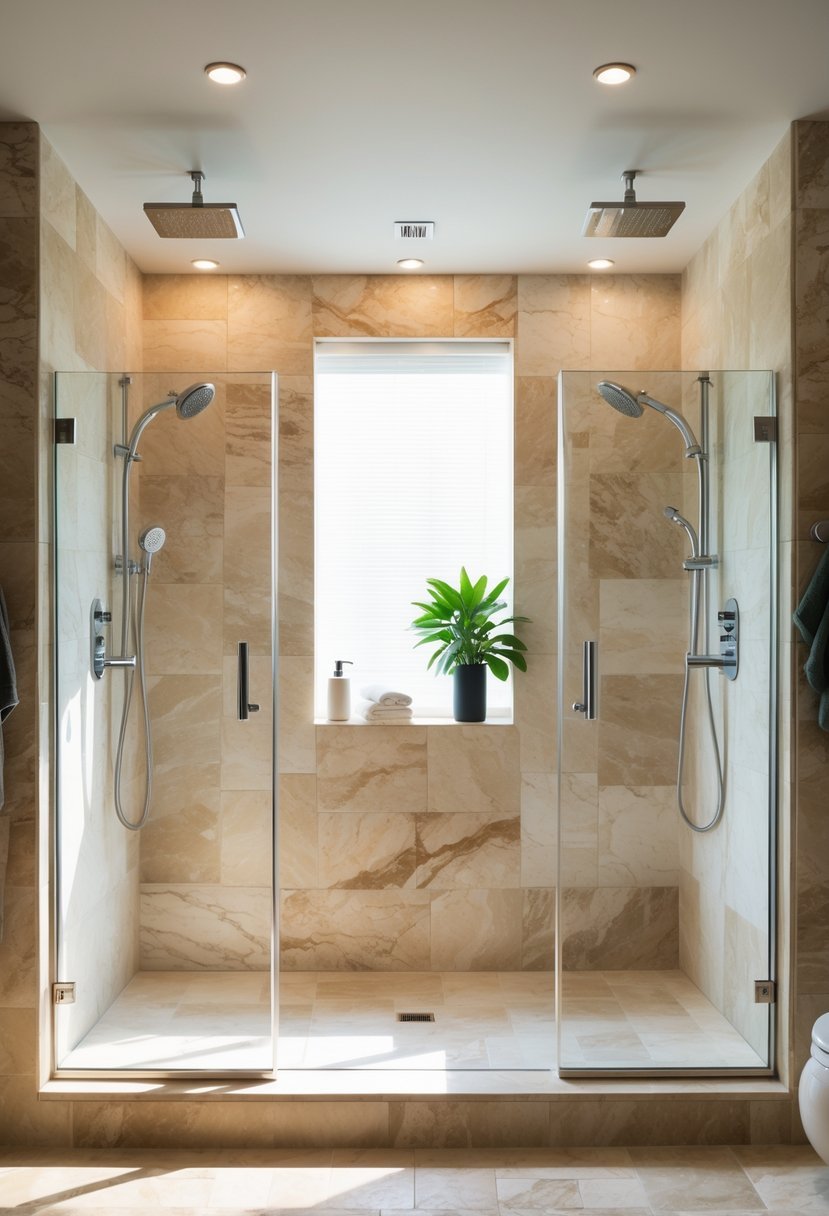
I find that using travertine wall accents in a double shower adds subtle elegance without overwhelming the space. The natural stone’s texture and warm tones create a calming atmosphere, perfect for shared bathrooms.
In my experience, incorporating travertine on the shower walls enhances the overall design while providing durability against moisture. I often pair it with lighter tiles or glass doors to balance the look and keep the space feeling open.
Travertine’s natural variations add depth and interest, making each shower unique. It’s a practical choice that also elevates the visual appeal, turning a typical double shower into a refined, functional retreat.
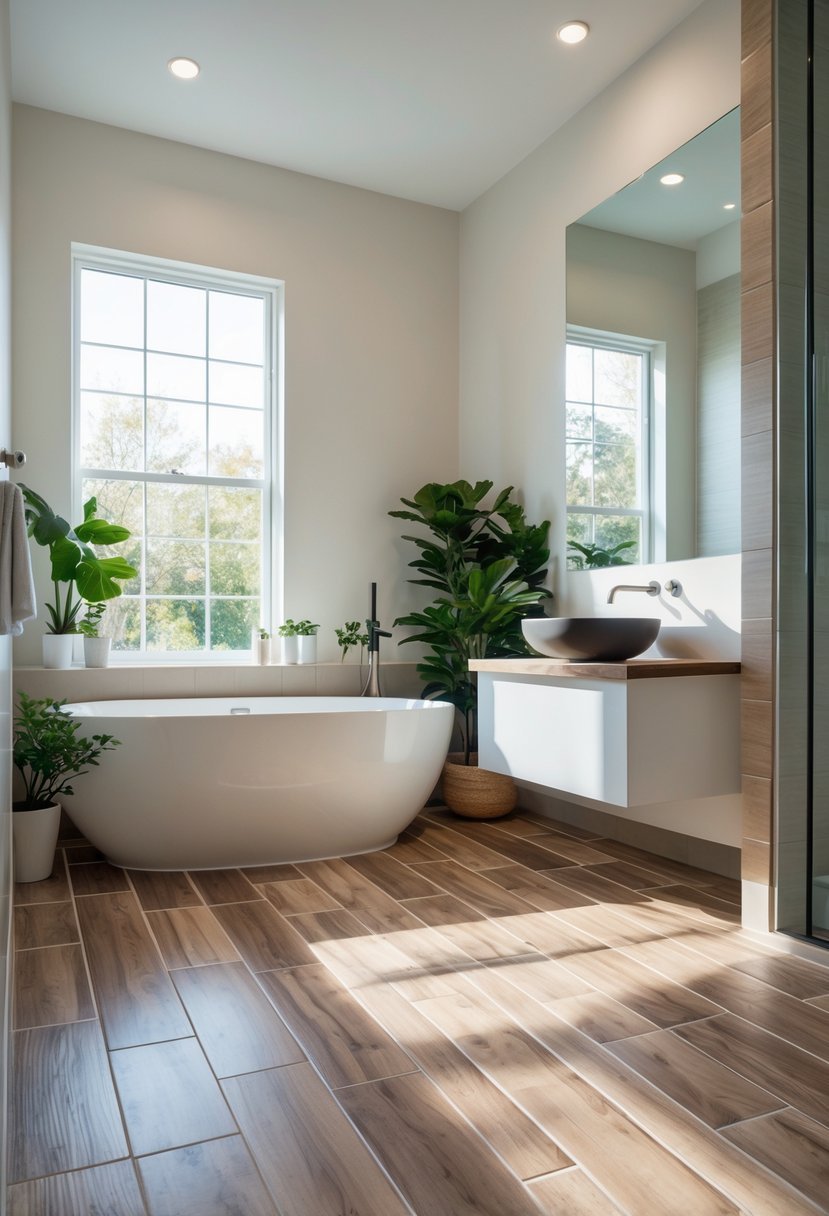
4) Combine beige travertine with wood countertops for contrast
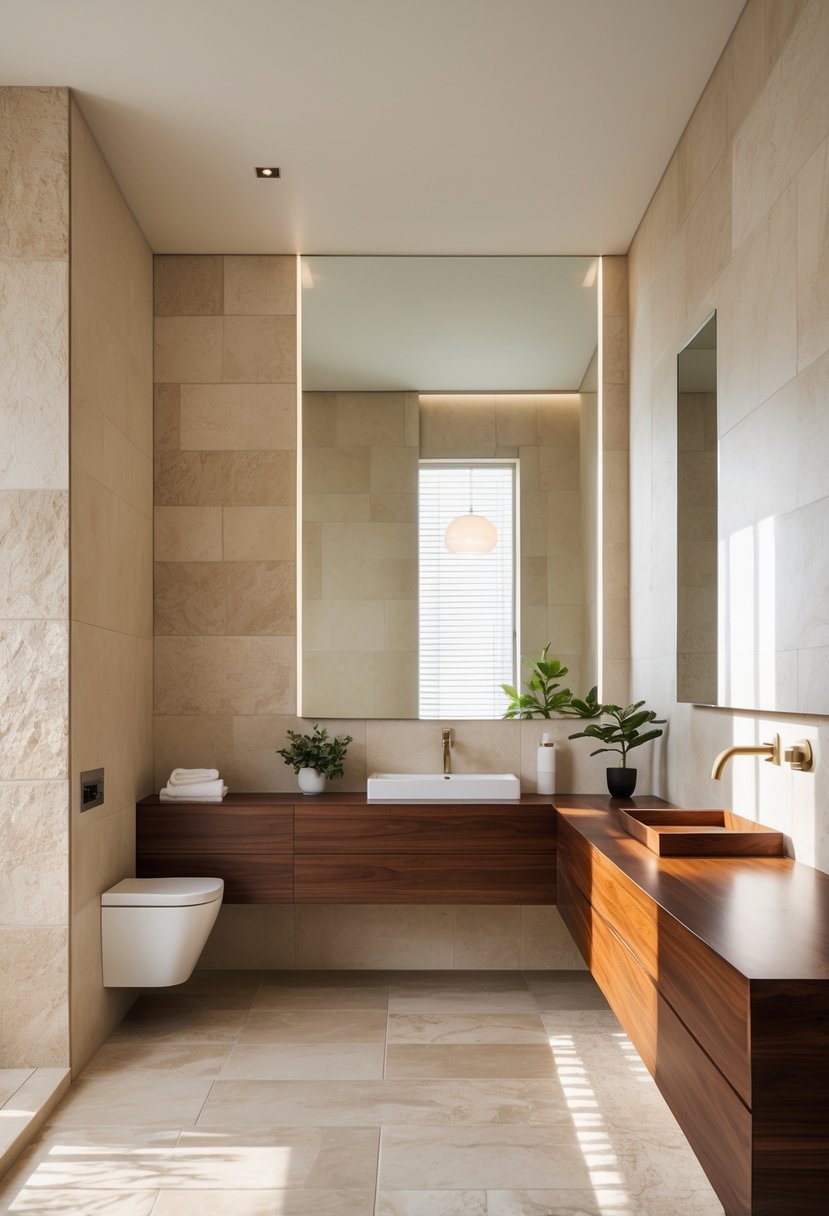
I find that pairing beige travertine with wood countertops creates a balanced and inviting look. The natural warmth of wood contrasts nicely with the stone’s soft, earthy tones.
Using walnut or oak countertops adds texture and depth, making the space feel grounded and cohesive. This combination works well in both traditional and Mediterranean-inspired bathrooms.
The wood grain brings life to the neutral travertine, preventing the overall design from feeling flat. I often recommend darker woods to enhance the contrast without overwhelming the calmness travertine offers.
This pairing also lends itself to versatile styling, allowing simple decor or bold accents to complement the overall design.
5) Install a hinged glass shower door with travertine surrounds
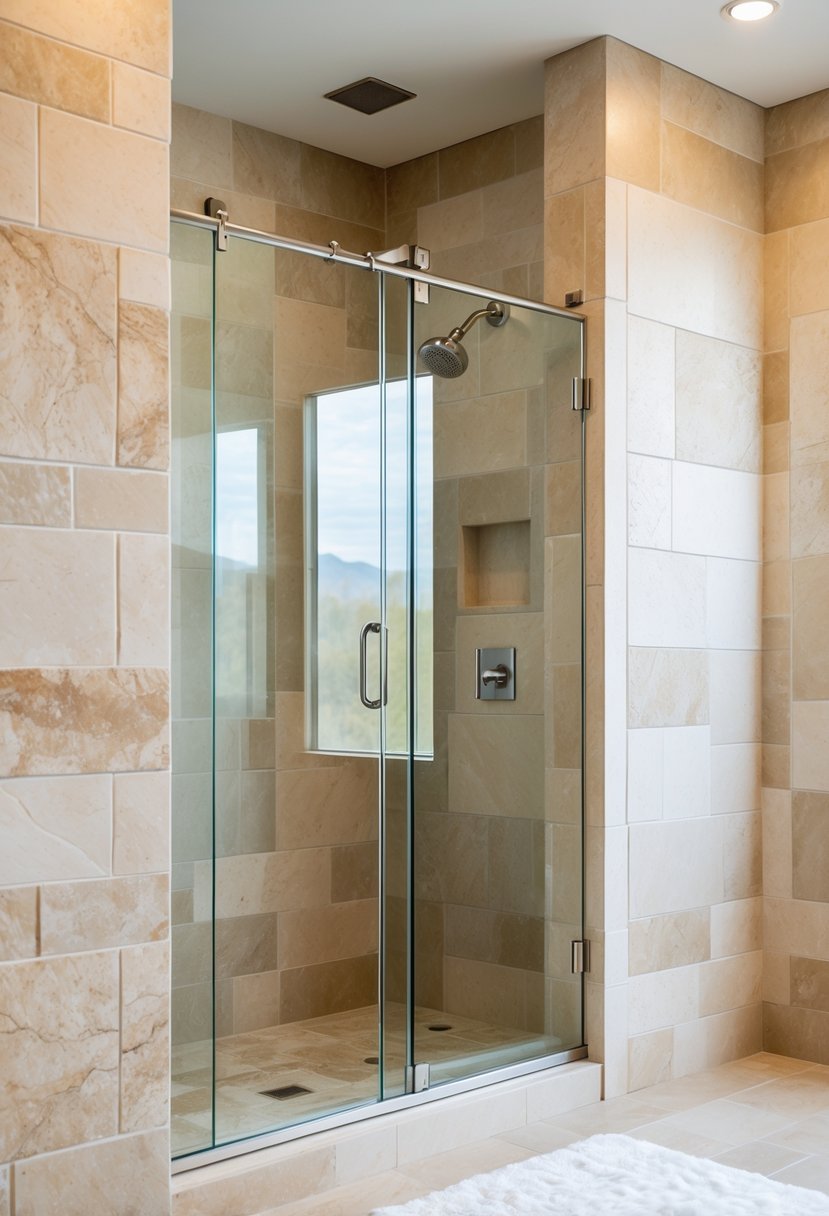
I chose a hinged glass shower door to complement my travertine surrounds because it adds a sleek, modern touch while keeping the natural stone as the focal point. The clear glass helps showcase the unique patterns and colors in the travertine without interruption.
Installing the door requires careful measurement to ensure it fits precisely within the tiled opening. I made sure to use the right hardware designed for glass doors, which provides durability and smooth operation.
The combination of travertine walls and a hinged glass door creates a clean, elegant look that feels both timeless and practical in my bathroom. It also simplifies cleaning compared to framed doors.
6) Use distressed cabinets to complement rustic travertine floors
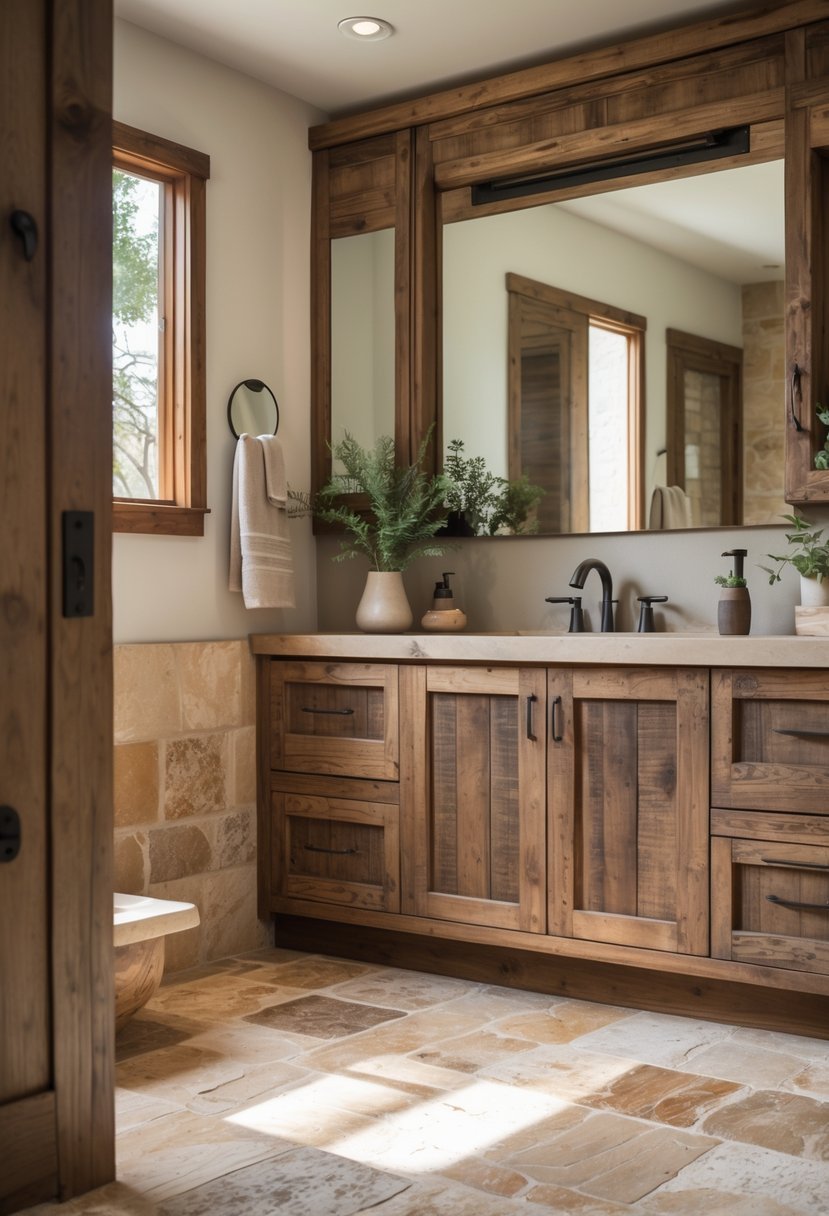
I find that distressed cabinets work well with rustic travertine floors because both share a natural, textured appearance. The worn look of the cabinets enhances the earthy tones in travertine, creating a cohesive design.
The combination adds warmth and character without feeling overly polished or cold. It balances elegance with a lived-in comfort that suits many bathroom styles.
Using distressed cabinets also allows for mix-and-match finishes, such as wood or painted surfaces. This flexibility helps me tailor the space without clashing with the stone’s organic feel.
7) Add a vessel sink atop travertine counters for luxury
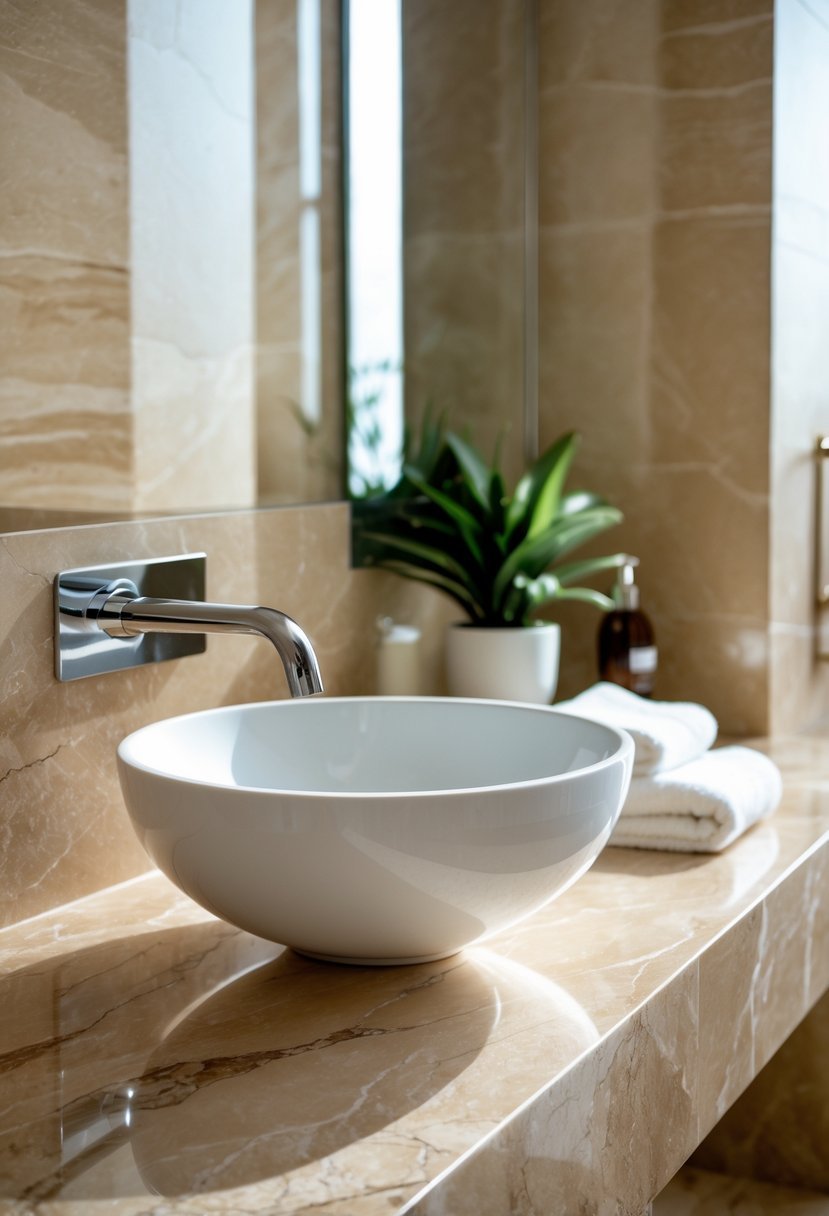
I find that placing a vessel sink on travertine countertops adds a refined touch to any bathroom. The natural pattern and warmth of travertine complement the sculptural quality of a vessel sink perfectly.
These sinks often sit above the counter, creating height and visual interest. This setup enhances the countertop’s texture while providing a stylish focal point.
Using a stone vessel sink with a rustic or polished finish can highlight travertine’s earthy tones. It’s a simple way to combine function with subtle elegance without overwhelming the space.
8) Choose travertine mosaic tiles for shower niches
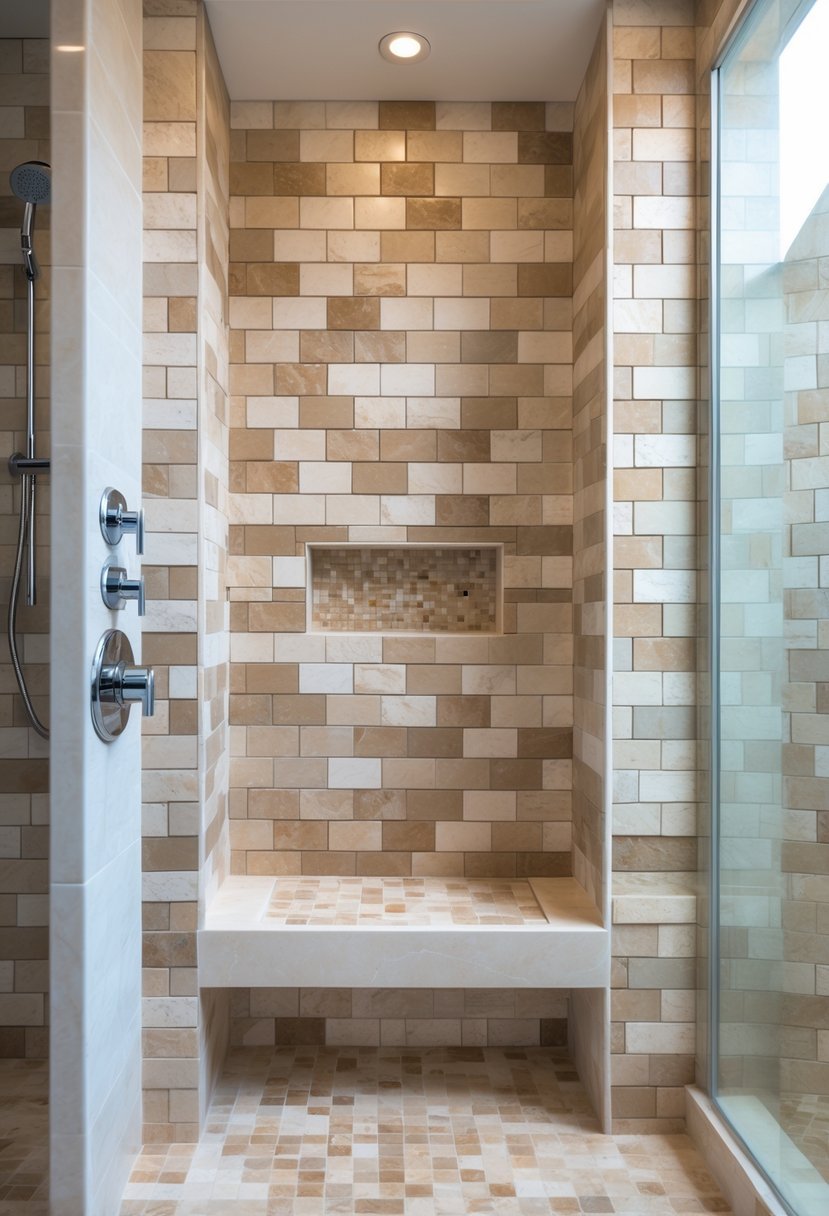
I find travertine mosaic tiles ideal for shower niches because their smaller size allows for intricate patterns. They add texture and visual interest without overwhelming the space.
Using mosaic tiles in niches creates a delicate contrast when paired with larger wall tiles. It highlights the niche as a focal point while maintaining a natural, cohesive look.
The natural tones of travertine bring warmth to shower niches. Plus, the stone’s porous surface adds subtle depth, enhancing the overall design. This choice is both practical and aesthetically pleasing for a refined bathroom detail.
9) Create a two-tone wall with travertine and painted surfaces
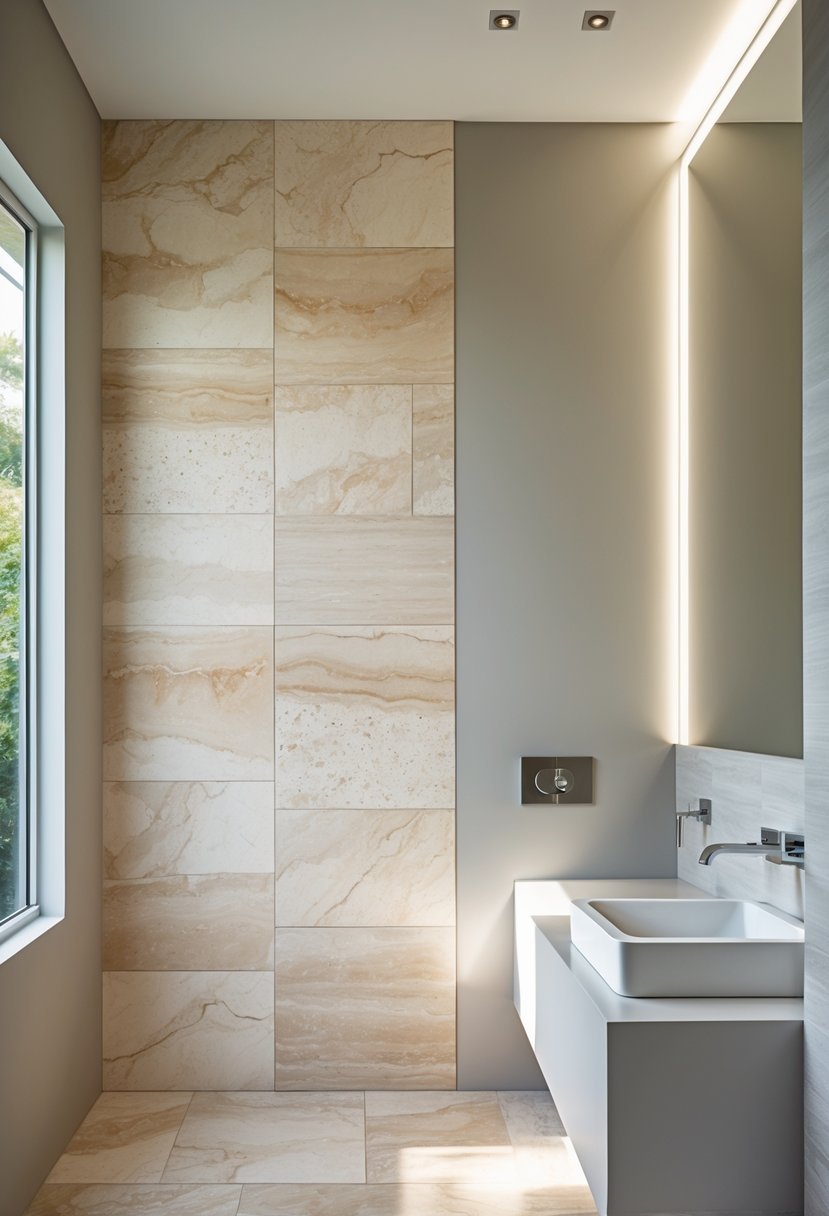
I like using two-tone walls to add depth and style to a bathroom with travertine. Combining the natural stone with paint brings contrast while keeping a cohesive look.
Typically, I apply travertine on the lower half of the wall and pick a complementary paint color for the upper half. This setup emphasizes the stone’s texture and warmth. Lighter paint colors on top can also make the ceiling feel higher.
This approach is simple yet effective. It balances the solid, earthy feel of travertine with smooth painted surfaces, which prevents the space from feeling too heavy or busy.
10) Feature travertine baseboards for subtle elegance
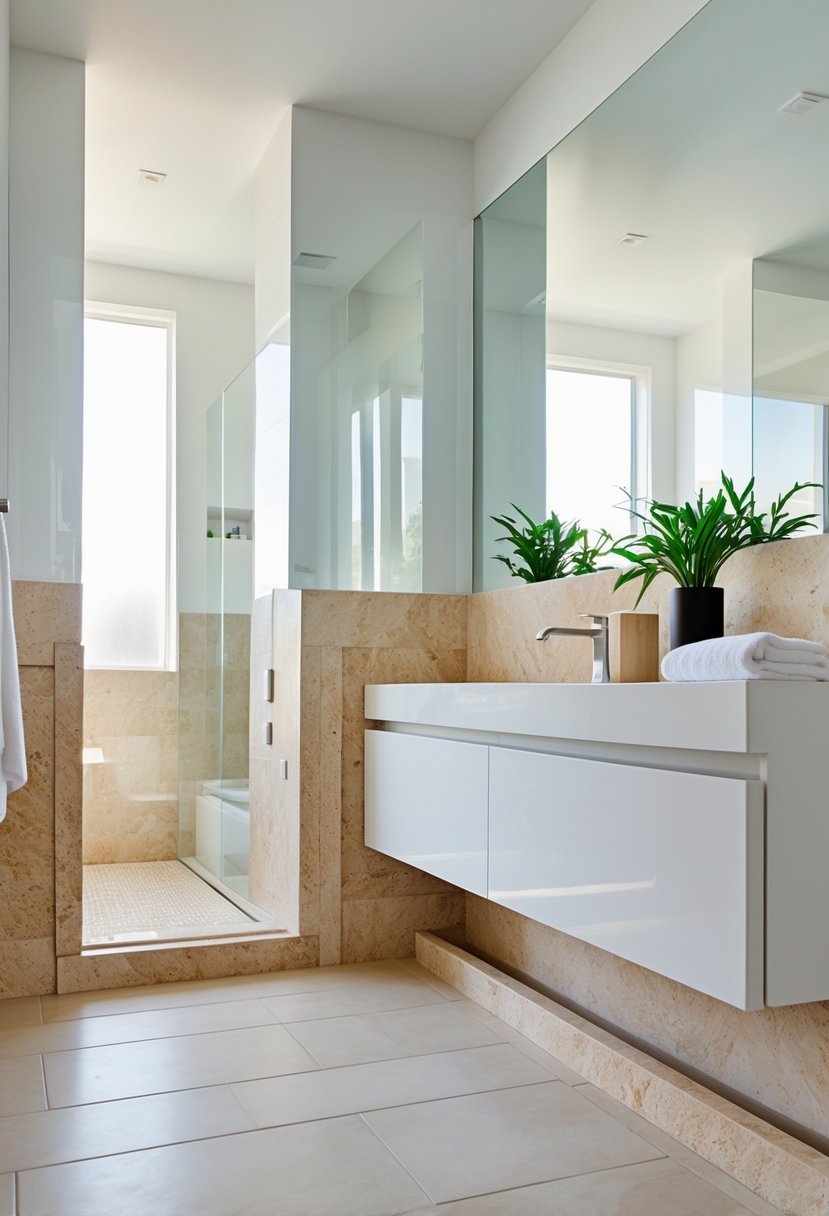
I find travertine baseboards bring a refined touch without overwhelming the space. They offer a smooth transition between walls and floors while adding natural texture.
Using travertine for baseboards also enhances durability, especially in moisture-prone bathrooms. It resists water better than traditional wood, reducing maintenance concerns.
For me, this detail elevates the overall design by tying together other travertine elements subtly. It’s a simple way to introduce cohesive elegance without bold statements.
11) Opt for honed finish travertine to reduce slipperiness
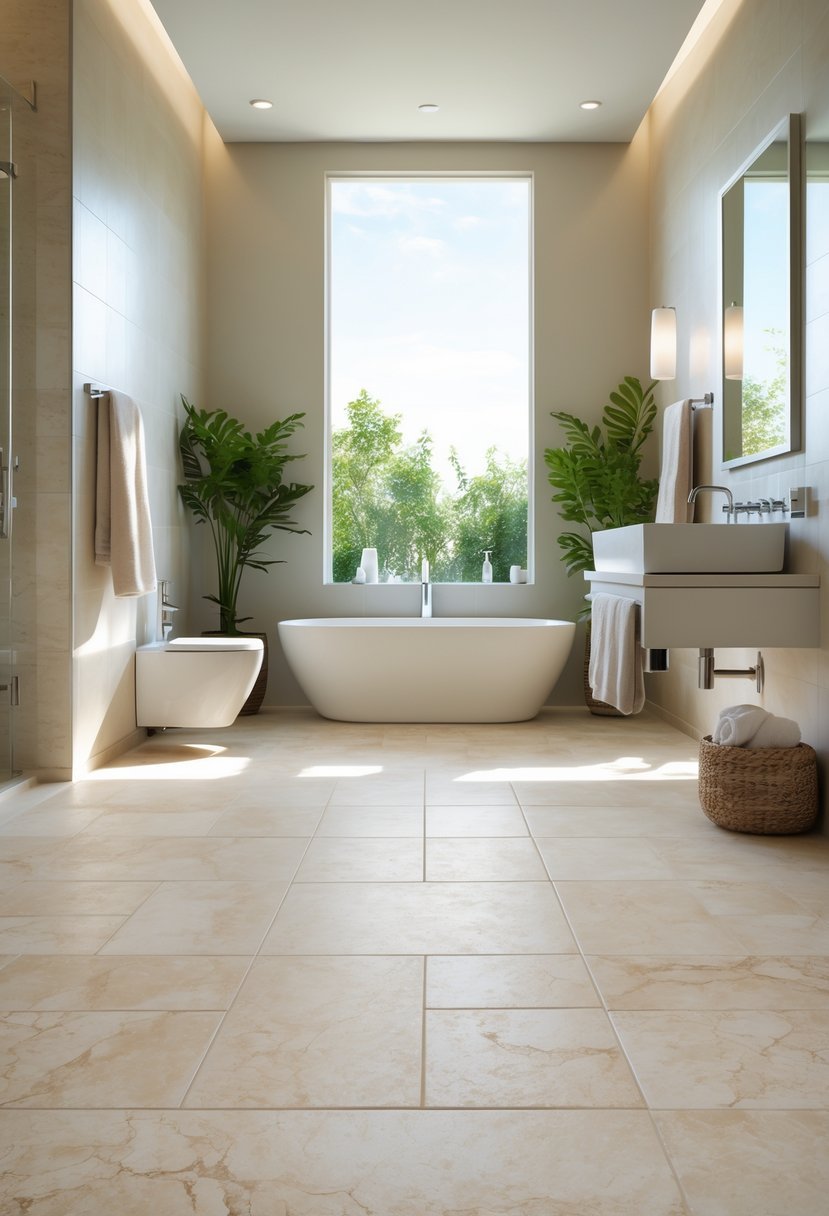
I recommend choosing honed finish travertine for bathrooms because it offers a smooth, matte surface without the shine of polished stone. This finish provides better traction, making it less slippery when wet.
Honed travertine also preserves the natural beauty of the stone while reducing the risk of slips compared to polished options. Its texture feels safe underfoot, which is important in wet environments like showers and around tubs.
If slip resistance is a priority, honed travertine strikes a good balance between aesthetics and functionality. It’s a popular choice for flooring and backsplashes where safety and style matter equally.
12) Mix travertine with bold colors for modern contrast
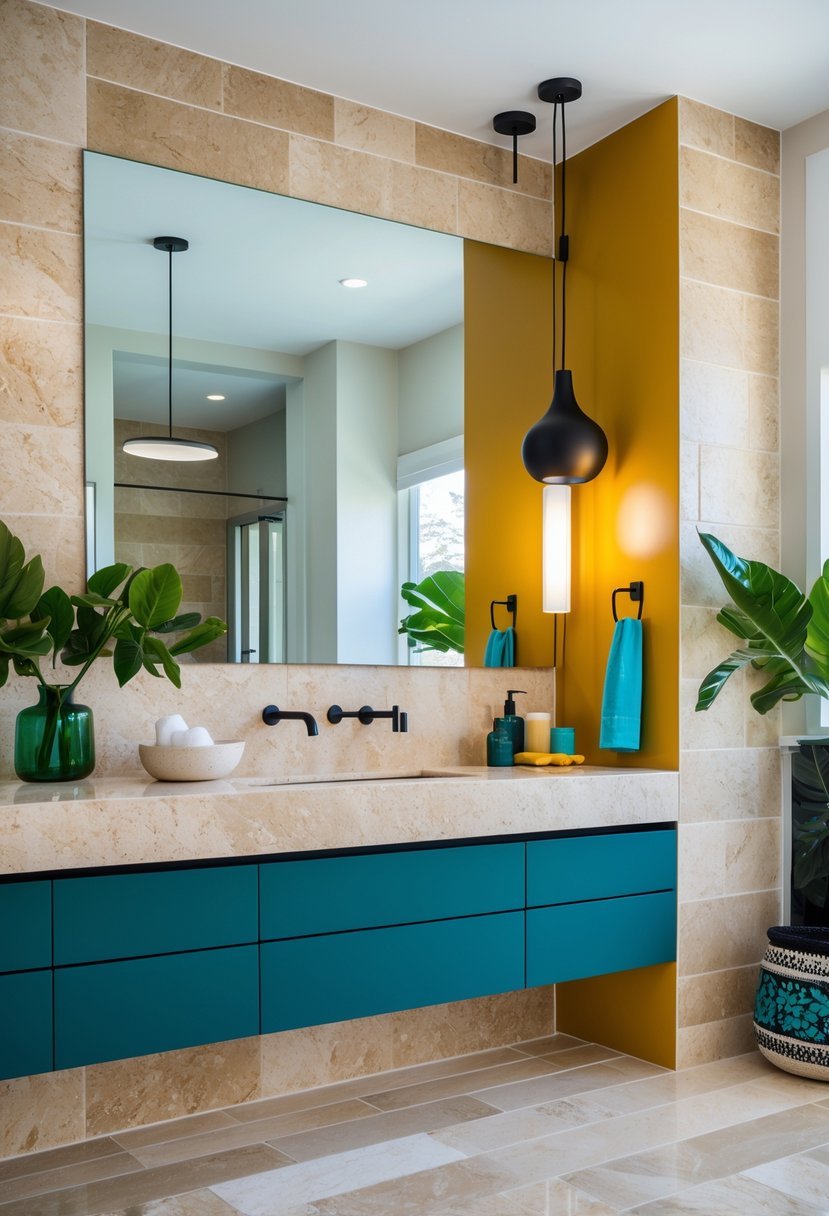
I find that combining travertine with bold colors creates a striking, modern look. The natural, neutral tones of travertine balance well with darker or more vibrant hues, adding depth without overwhelming the space.
Using bold colors on walls, cabinets, or accents can highlight the stone’s warm texture. For example, deep blues or rich blacks work well to frame travertine floors or shower tiles.
This contrast offers a clean, stylish aesthetic that feels both contemporary and natural. It also allows me to play with different textures and finishes while keeping the design cohesive.
13) Use travertine floor tiles with subtle veins for texture
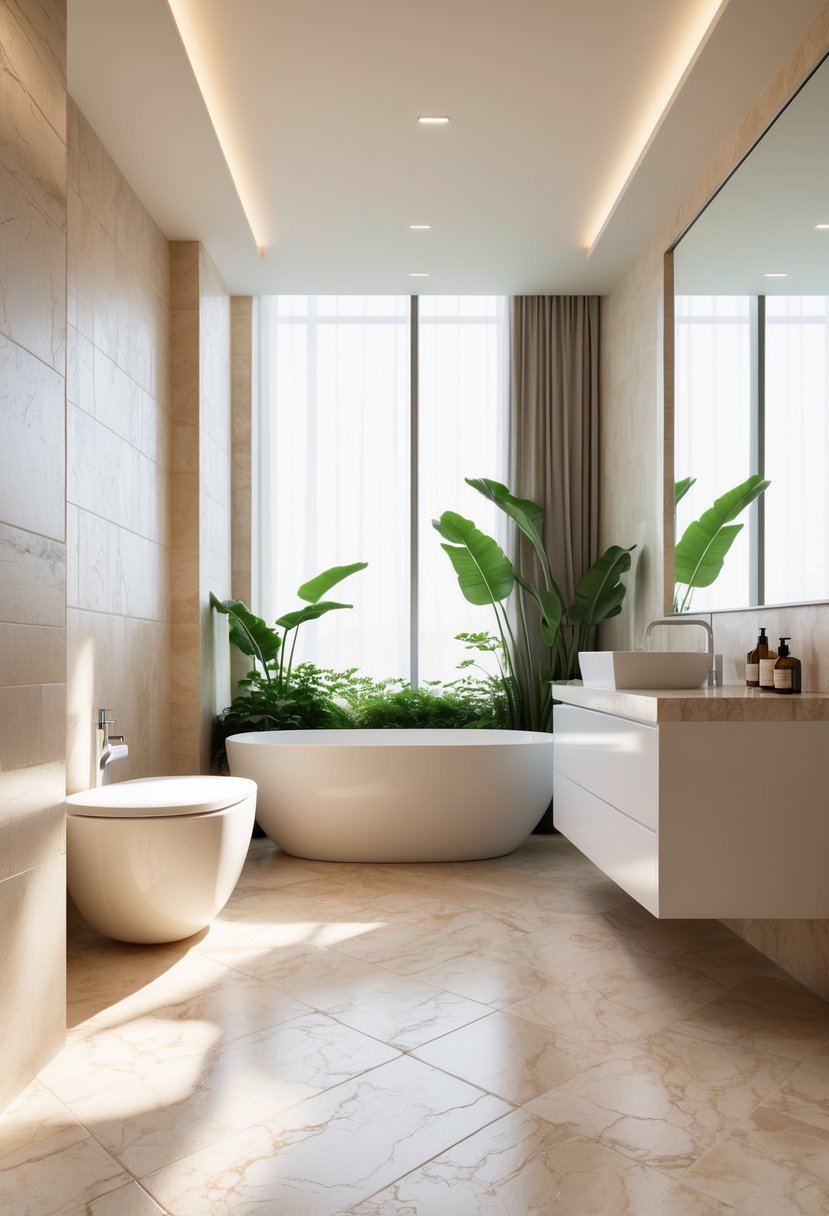
I like using travertine floor tiles that feature subtle veins because they add natural texture without overwhelming the space. The gentle lines create visual interest and elevate the bathroom’s overall look.
These veins break up the surface slightly, which helps to mask dirt or minor wear over time. This makes travertine practical as well as stylish.
In my experience, choosing tiles with understated veining allows other design elements to stand out. It brings a sophisticated depth to the floor while maintaining a calm, clean aesthetic.
14) Incorporate travertine in both walls and vanity tops
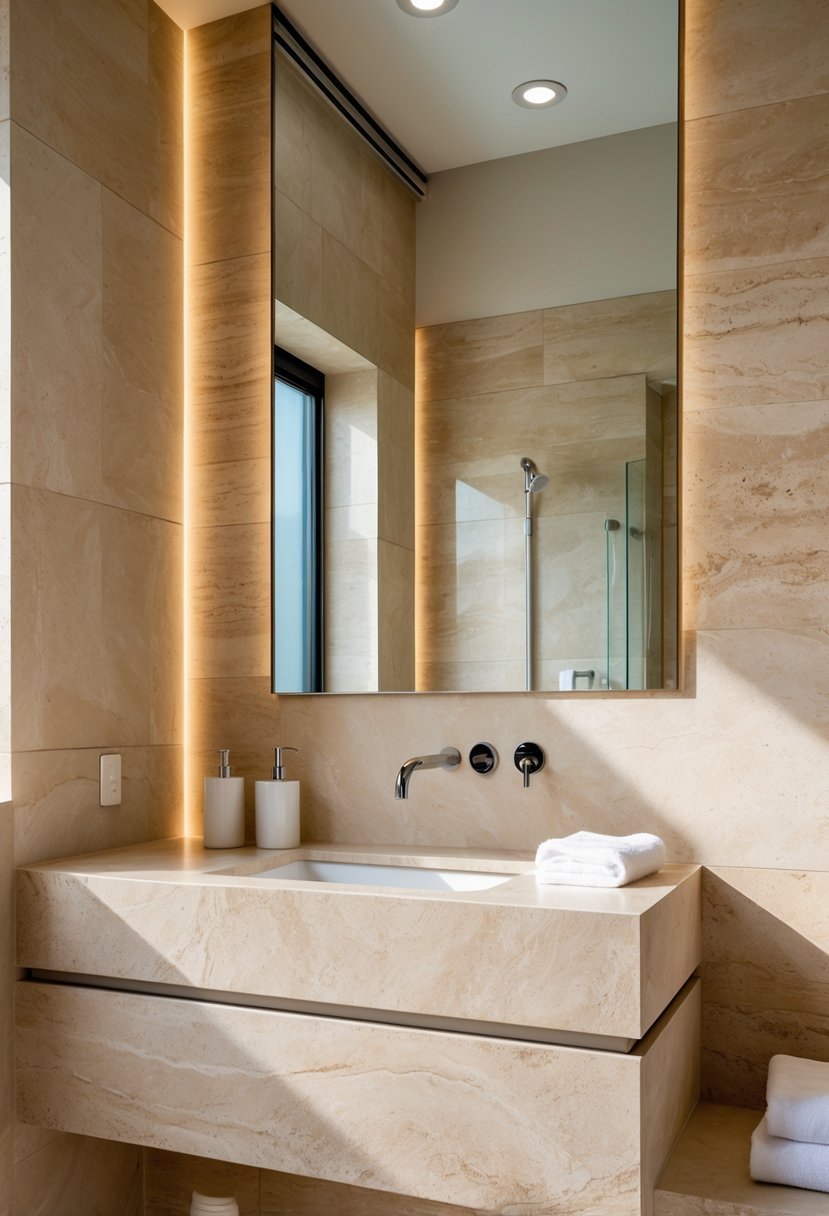
I like using travertine on both the walls and vanity tops to create a unified look in the bathroom. The stone’s natural texture adds depth, while its muted tones keep the space feeling calm and balanced.
When applied to walls, travertine acts as a strong design element without overwhelming the room. Paired with a matching travertine vanity top, it enhances durability and visual coherence.
Sealing the travertine regularly is important to maintain its appearance, especially on surfaces exposed to water and daily use.
15) Use natural travertine tones to achieve a spa-like atmosphere
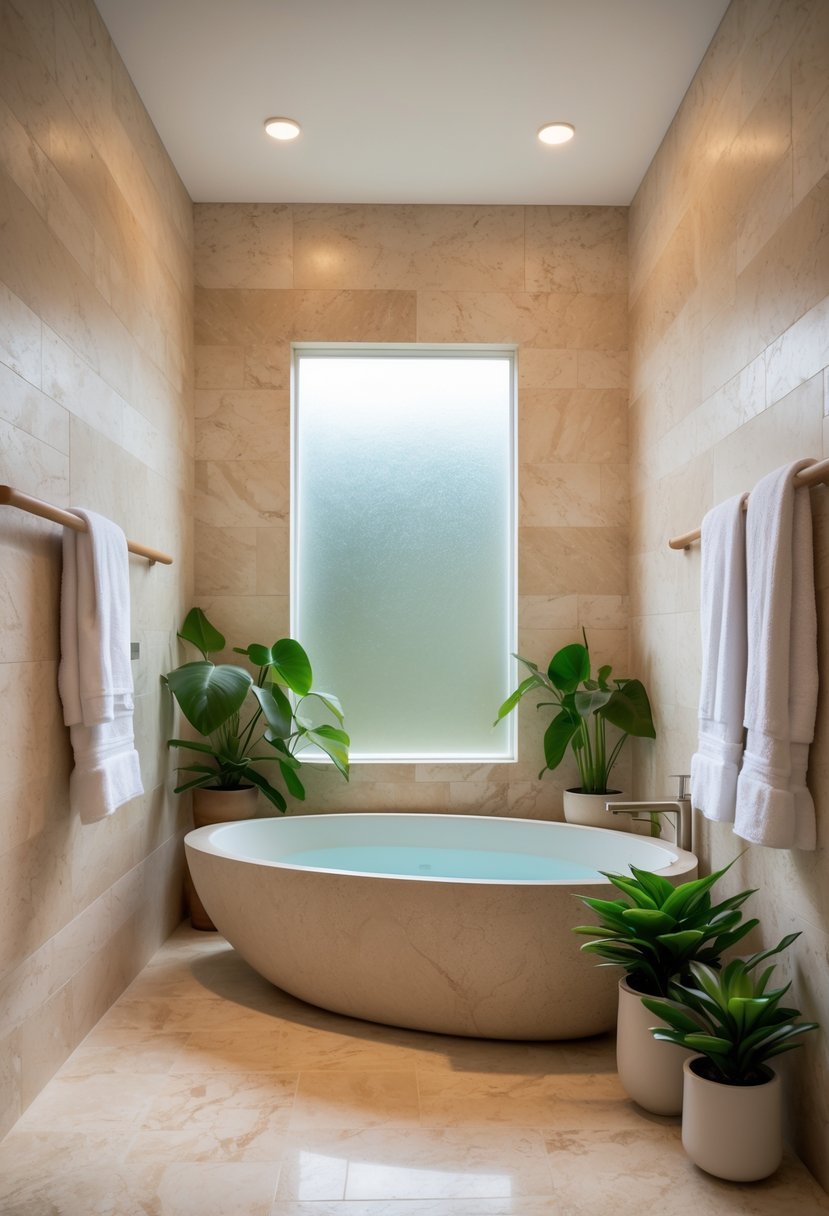
I find that natural travertine tones bring a calm, grounded feeling to any bathroom. The beige and warm earth colors create a soothing backdrop that mimics the quiet simplicity of a spa.
Using travertine in showers, floors, or walls adds texture without overwhelming the space. Its subtle variations and natural patterns provide depth.
Lighting is important too. I choose soft, even lighting to highlight travertine’s warm colors without creating harsh shadows.
Conclusion
As we move away from sterile, all-white interiors, travertine stands out as the perfect material to introduce warmth and character into the home. These ideas demonstrate that this natural stone is not limited to a single style; it fits just as effortlessly into a mid-century modern aesthetic as it does into a wabi-sabi or Mediterranean-inspired space.
Whether you choose to embrace the dramatic movement of silver travertine or the soft creaminess of classic beige, investing in this material ensures your bathroom will age gracefully. We hope these 15 travertine bathroom ideas have inspired you to trade the gloss of ceramic for the raw beauty of stone. Now, it is time to visit the stone yard and find the perfect slab to anchor your sanctuary.