20 1 Bedroom Apartment Decor Ideas for Stylish Small Spaces
Living in a smaller footprint doesn’t mean you have to scale back on style or functionality. In fact, designing a compact home is often an exciting creative puzzle, requiring you to balance aesthetics with extreme efficiency. The challenge lies in defining distinct zones—for sleeping, lounging, working, and dining—without making the open floor plan feel cluttered or chaotic.
Whether you are a first-time renter trying to avoid permanent changes or a homeowner looking to maximize a cozy layout, the right approach to 1 bedroom apartment decor can make 600 square feet feel spacious and airy. In this guide, we explore smart layout hacks, multi-functional furniture, and visual tricks that will help you unlock the full potential of your home, proving that size really is just a number.
Living in a one-bedroom apartment presents unique challenges and opportunities when it comes to decorating. I understand how important it is to create a space that feels both functional and inviting without overcrowding limited square footage.
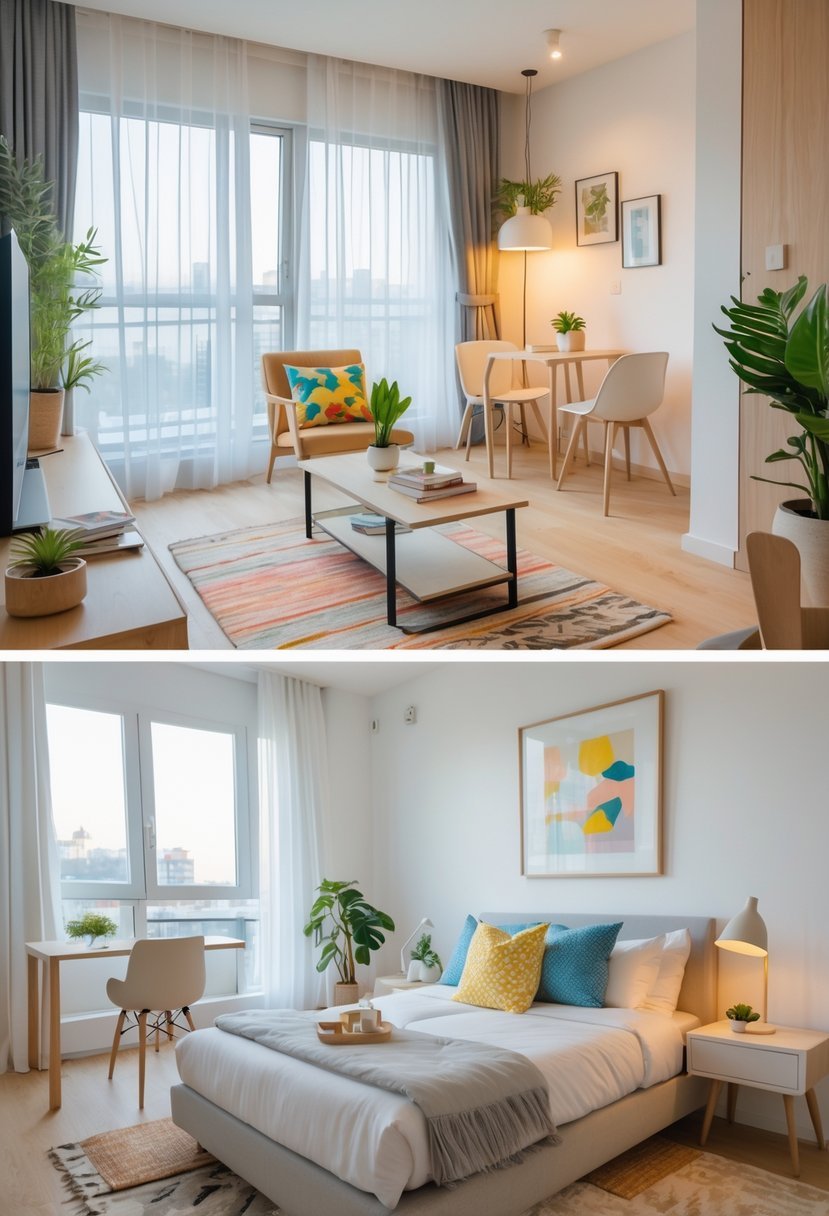
I’ve gathered 20 decor ideas that help maximize space while adding style and personality to your one-bedroom apartment. These ideas focus on practical solutions and aesthetic touches that work well in smaller living areas.
Table of Contents
1) Use multifunctional furniture like a sofa bed or storage ottoman
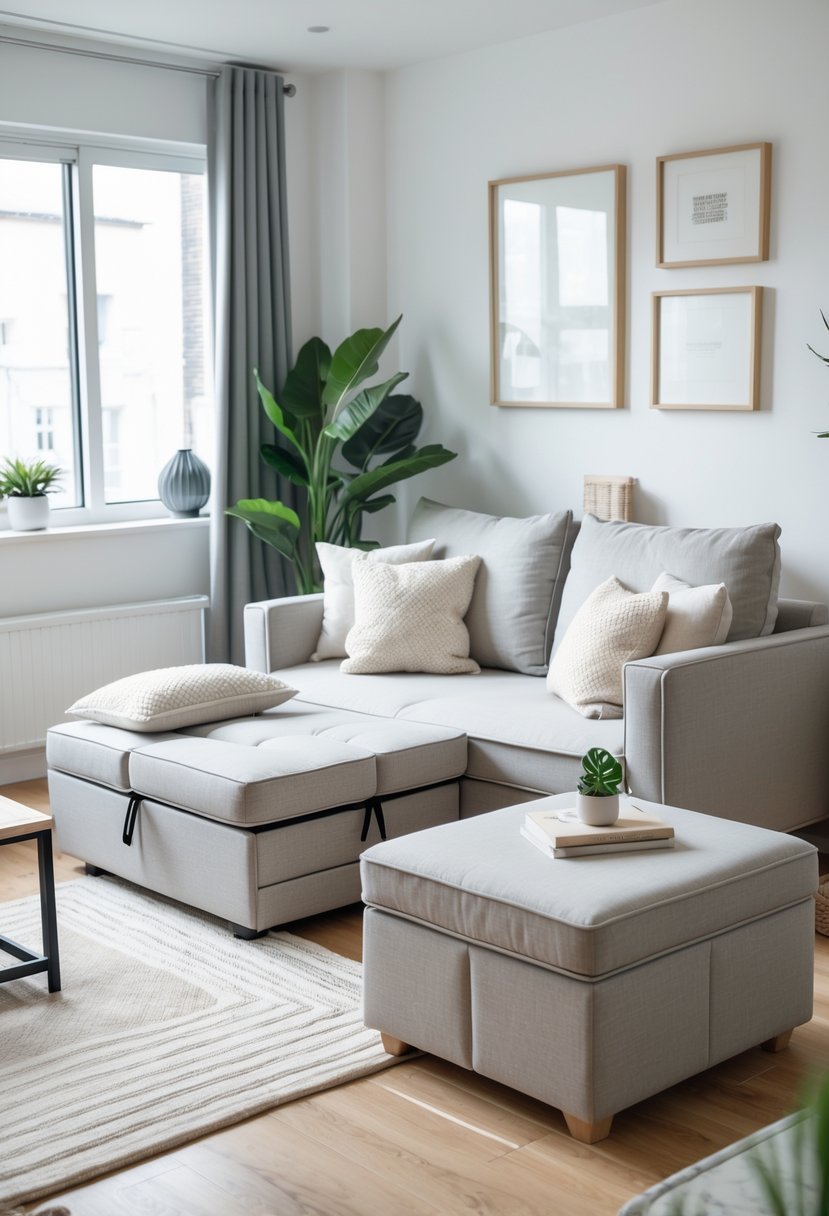
I find multifunctional furniture essential in a one-bedroom apartment. A sofa bed is especially practical because it serves as both seating and a sleeping area without taking up extra space.
Storage ottomans also help keep my apartment organized by providing hidden compartments for blankets, books, or other items. They offer extra seating, which is useful when guests visit.
Choosing pieces that combine functionality with style lets me maximize every inch of my space.
2) Incorporate light, neutral colors to enhance natural light
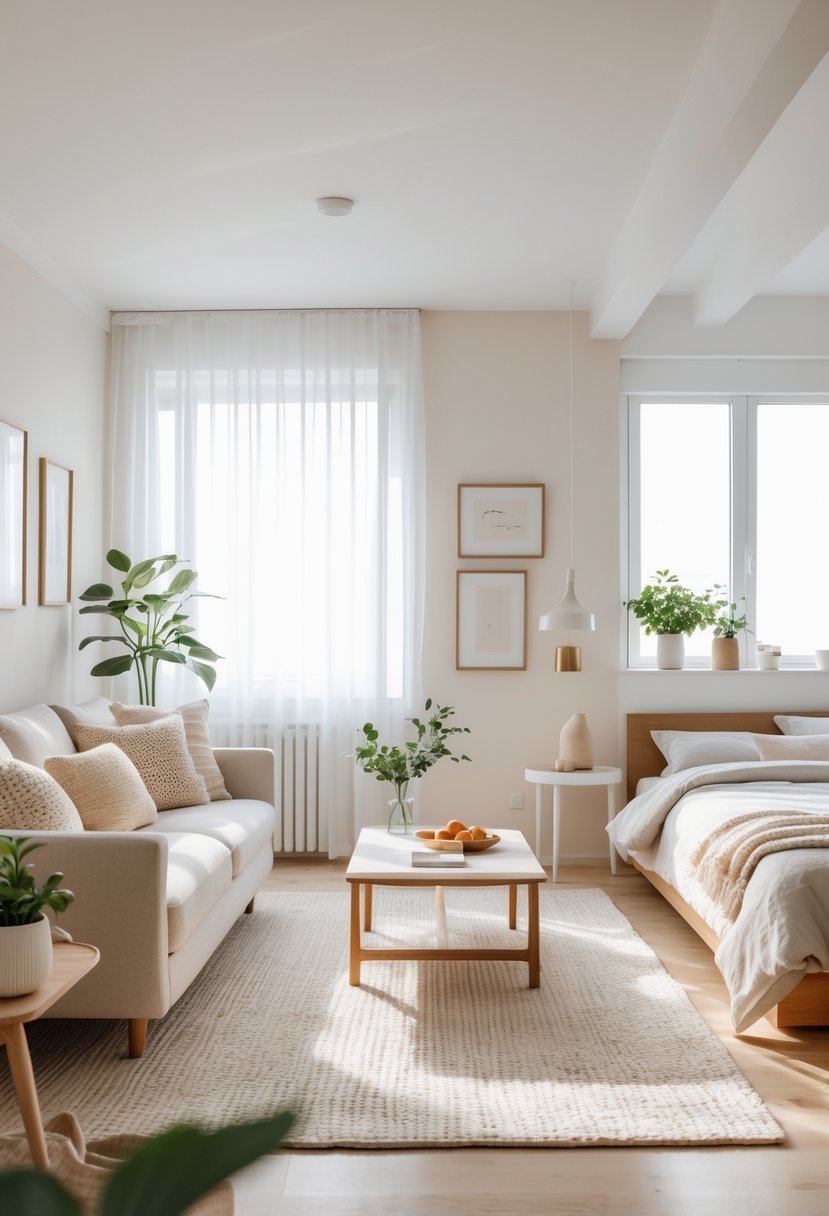
I find that using light, neutral colors in a one-bedroom apartment helps maximize natural light and makes the space feel more open. Shades like soft white, beige, and ivory reflect sunlight effectively, brightening the room without overwhelming it.
Neutral walls create a clean backdrop that complements minimalist decor and allows furniture and accessories to stand out. When sunlight hits these surfaces, it produces a gentle glow that shifts throughout the day, adding subtle warmth.
Choosing light neutrals also simplifies decorating. It’s easier to mix textures and accents without clashing, which keeps the apartment feeling cohesive and calm.
3) Install floating shelves to save floor space
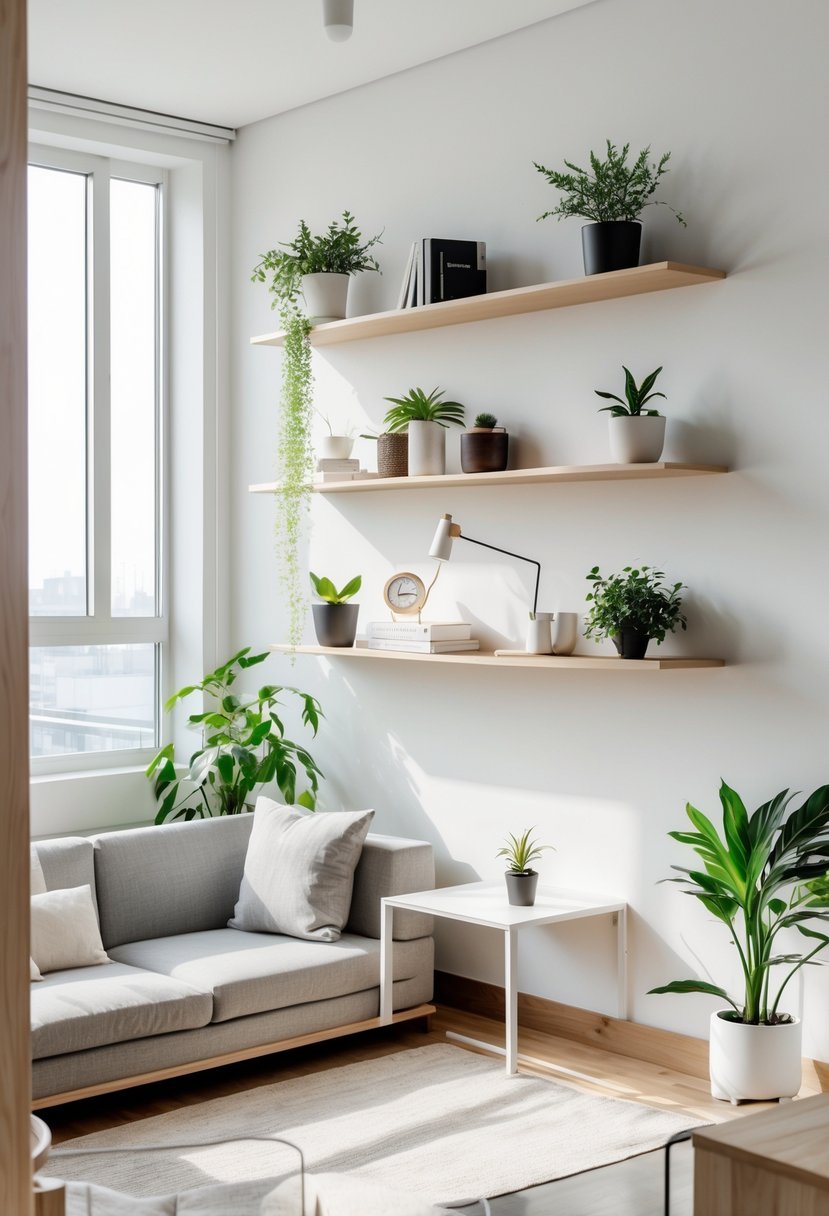
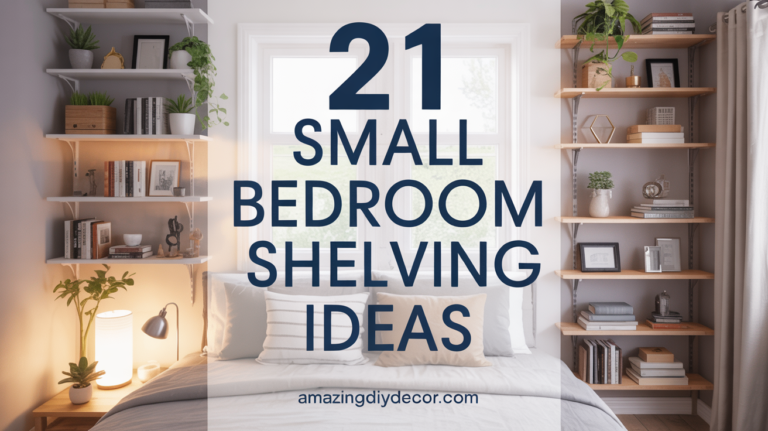
I find floating shelves to be one of the most effective ways to save floor space in a one-bedroom apartment. They provide storage and display areas without the bulk of traditional furniture.
By mounting shelves near the bed or in the living room, I can keep essentials like books and decor within reach. This eliminates the need for bulky nightstands or side tables, freeing up valuable floor space.
Floating shelves also help me maximize vertical areas, especially on empty walls.
4) Choose a foldable dining table for flexibility
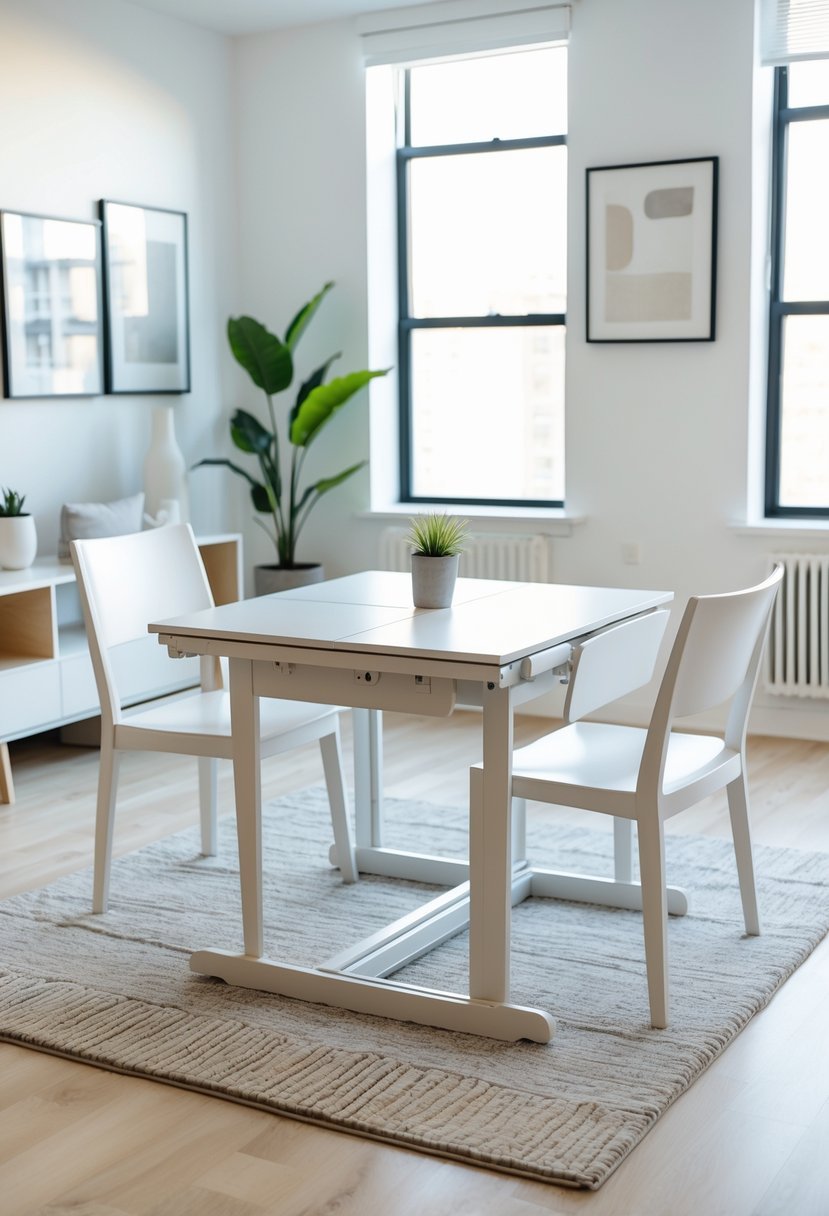
I find a foldable dining table essential for maximizing space in a one-bedroom apartment. When folded, it stays compact and out of the way, giving me more room to move around or add other furniture.
These tables offer flexibility, expanding when needed to accommodate guests or mealtime. Many designs include drop leaves or extendable surfaces, so I can adjust the size easily without much effort.
Choosing a foldable table also means I don’t have to sacrifice style.
5) Add mirrors to create an illusion of space
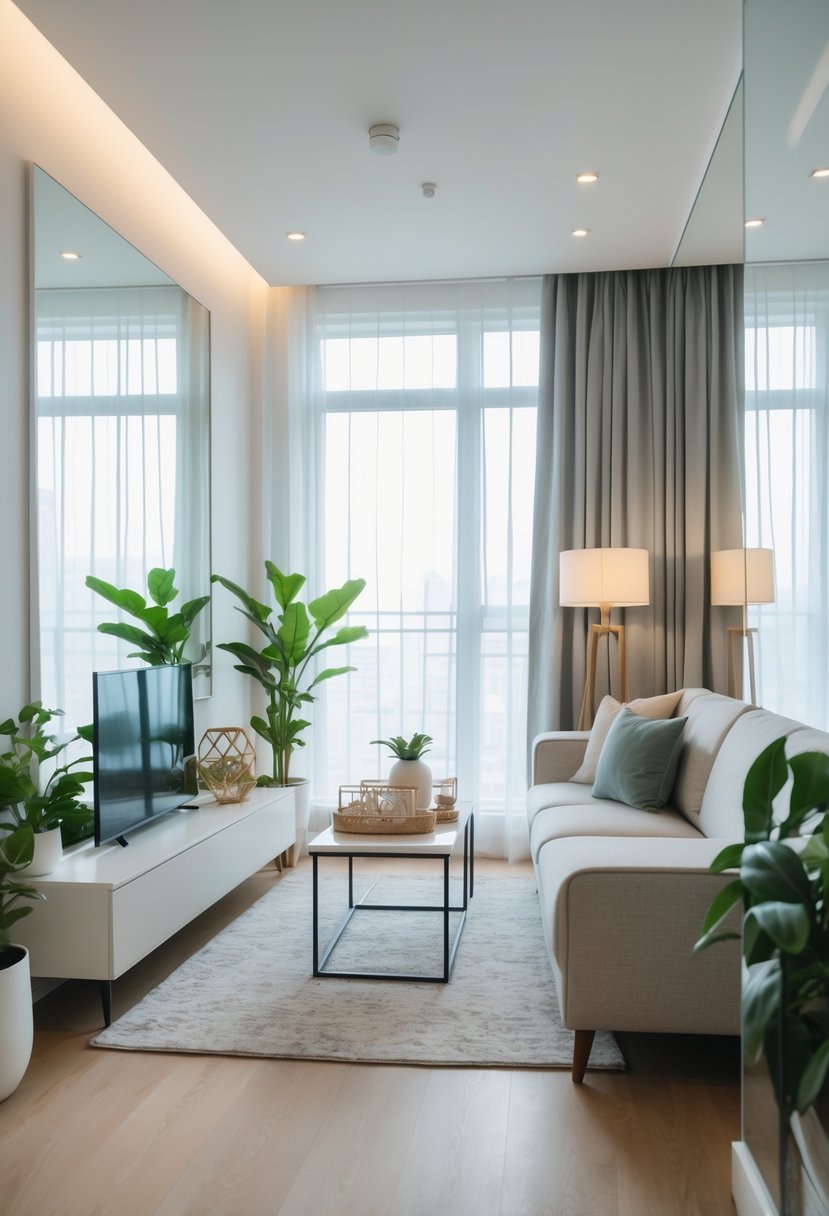
I find mirrors to be one of the simplest yet most effective tools for making a small apartment feel larger. By reflecting natural light, they brighten dark corners and add depth to the room.
Placing a large mirror opposite a window works particularly well to bounce sunlight around. Mirrors also create a sense of dimension where space is limited.
Even a well-placed medium-sized mirror can visually expand narrow areas or low ceilings.
6) Use area rugs to define different zones
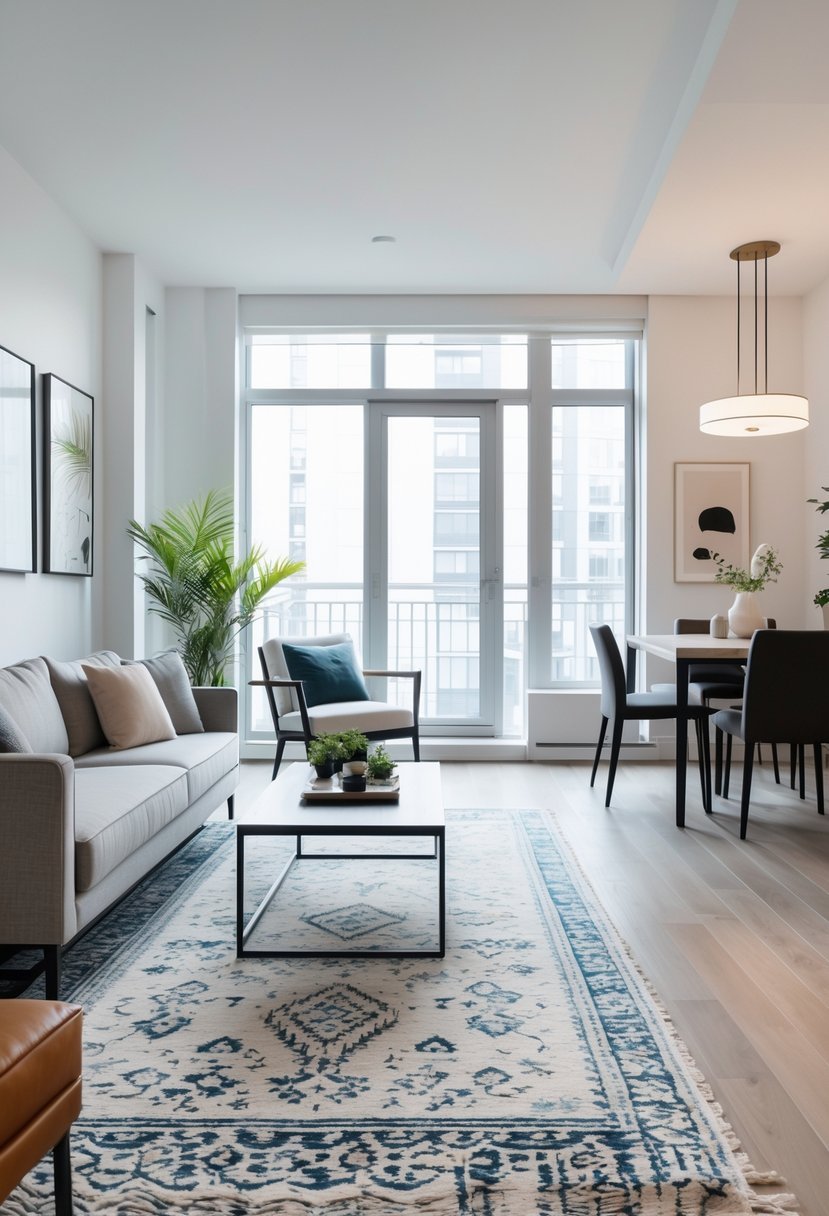
I find area rugs essential for creating distinct zones in a one-bedroom apartment. They help separate living, dining, and work areas without walls.
Choosing the right size is important. A rug that fits under key furniture pieces anchors each zone effectively.
I also make sure to leave some visible floor around the rug. This keeps the room from feeling cramped and maintains a sense of openness.
7) Opt for vertical storage units
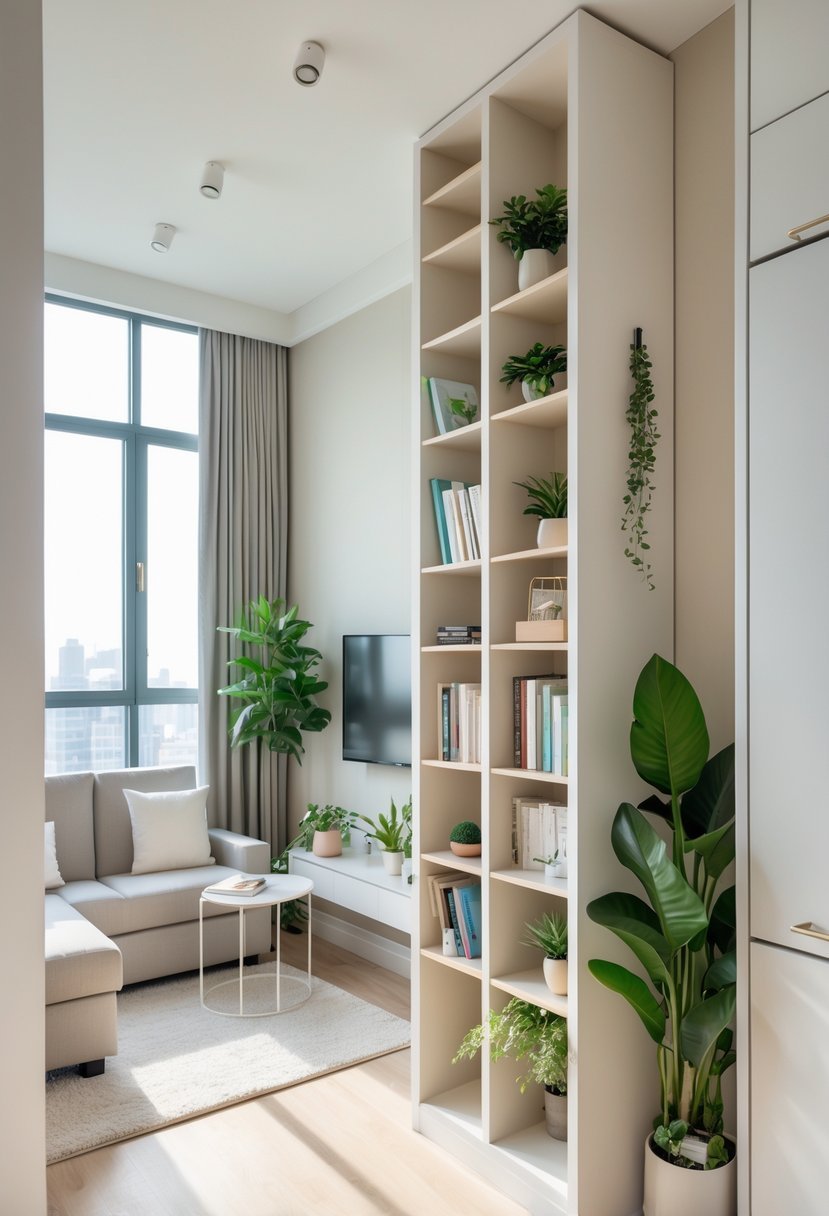
I find vertical storage units essential in a one-bedroom apartment because they make the most of limited floor space. Tall shelving, bookcases, and wall-mounted racks help keep items organized without cluttering the room.
Using floating shelves or over-the-door hooks allows me to use unused wall areas effectively. These solutions keep belongings off surfaces, creating a cleaner, more open feel.
In my experience, vertical storage also adds style.
8) Apply removable wallpaper for easy style updates
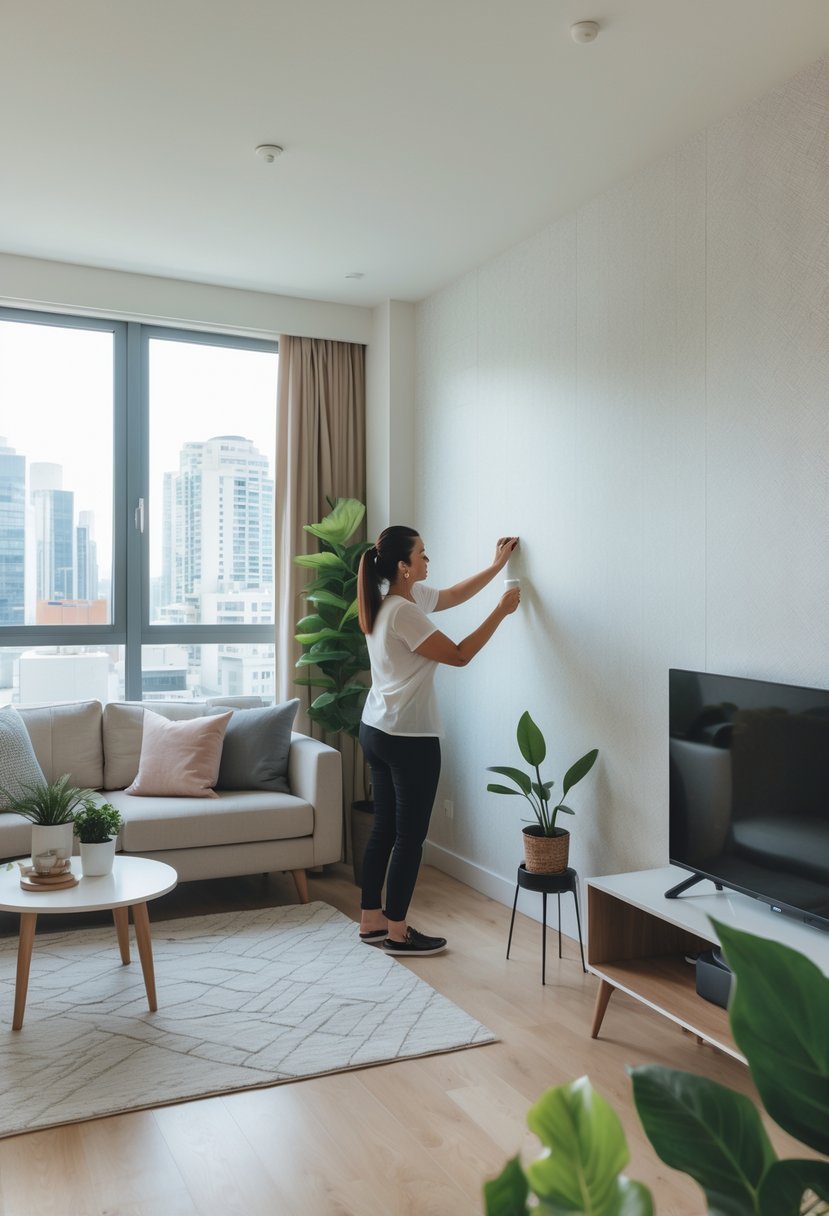
I find removable wallpaper a practical way to refresh my one-bedroom apartment without committing to permanent changes. It’s simple to apply and can easily be taken down when I want a new look or move out.
The peel-and-stick variety usually leaves no damage, which is ideal for rental spaces. I like choosing patterns that complement my existing décor, from modern designs to classic styles.
Installation is quick and mess-free. This approach allows me to experiment with color or texture without the hassle of paint or traditional wallpaper.
9) Select slim-profile furniture to avoid crowding
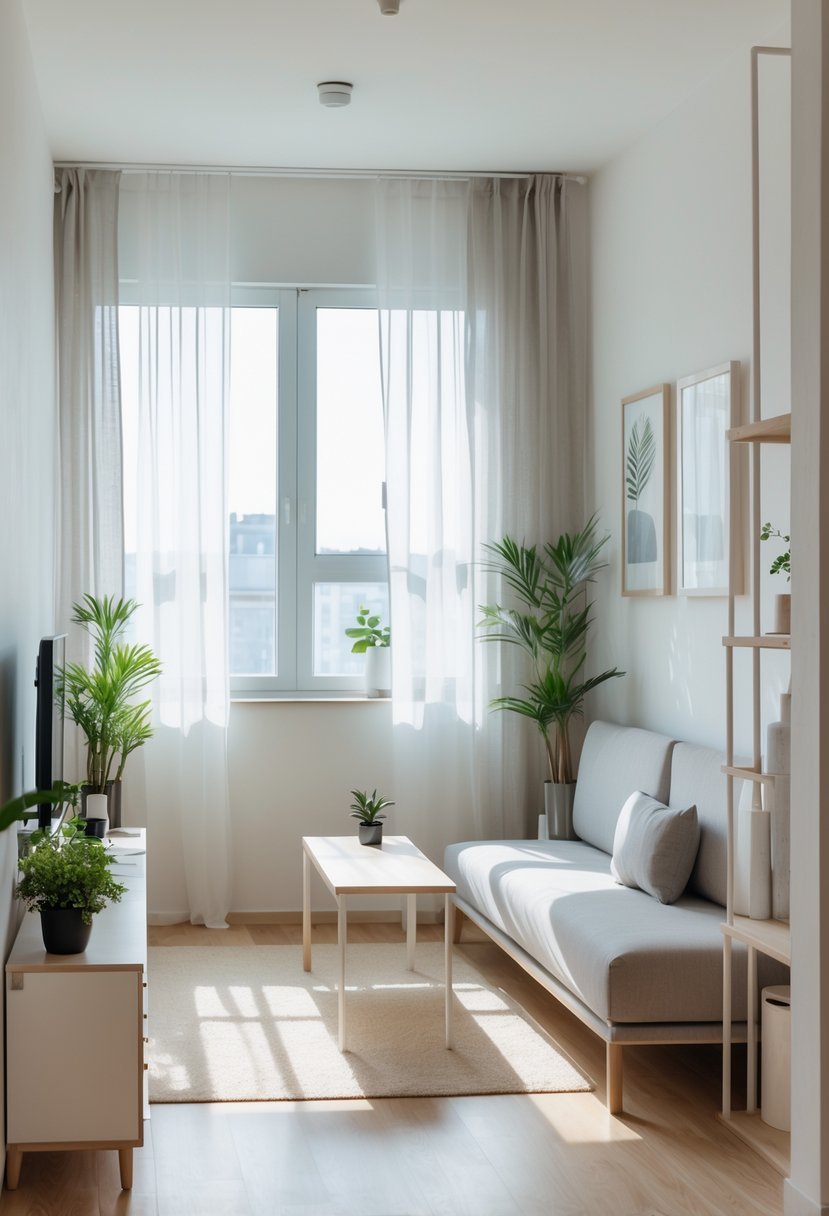
I choose slim-profile furniture because it keeps my space open and functional. Pieces with narrow frames, like acrylic chairs or slender tables, prevent the room from feeling cramped.
Using furniture with clean lines also helps maintain visual clarity. I find that floating shelves or wall-mounted units work well to free up floor area without sacrificing storage.
This type of furniture makes it easier to create clear pathways.
10) Incorporate greenery with low-maintenance plants
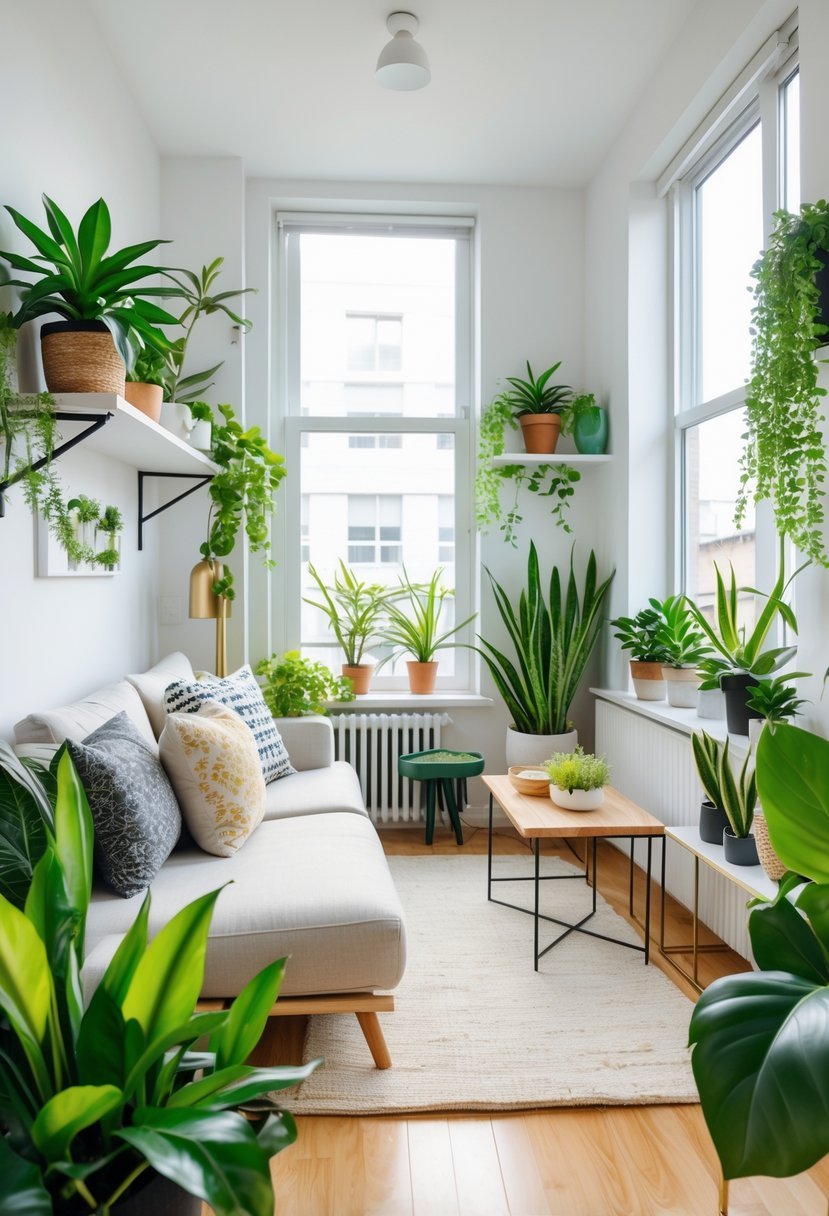
I find that adding plants brings life to any space without overwhelming it. Choosing low-maintenance greenery like snake plants, succulents, or pothos makes care simple, especially in a one-bedroom apartment.
I like using vertical planters or hanging baskets to save floor space while adding natural elements. Window sills and floating shelves also serve as smart spots for small pots.
11) Use layered lighting: ambient, task, and accent
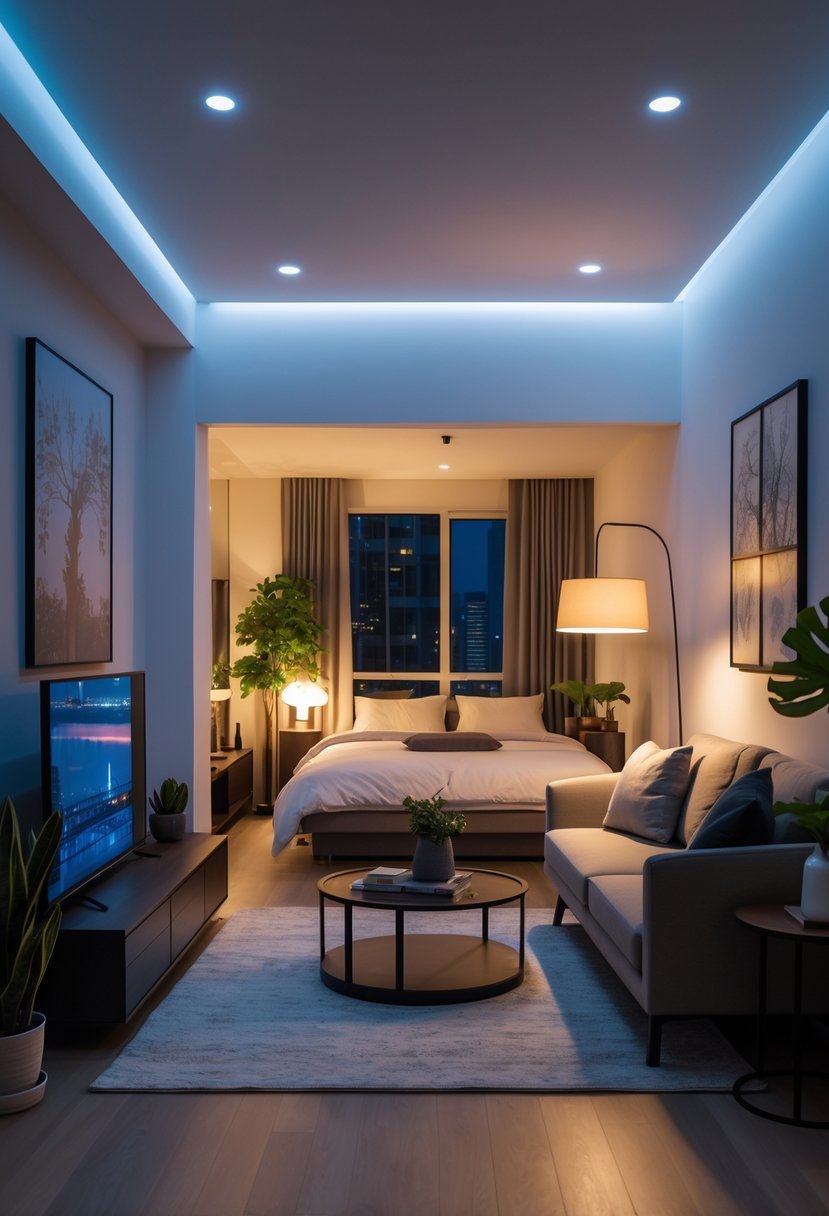
I find layered lighting essential in making a one-bedroom apartment feel both functional and inviting. Ambient lighting gives general illumination, setting the base brightness for the entire room.
Task lighting focuses on specific areas like a reading nook or kitchen counter. Accent lighting draws attention to artwork, plants, or architectural details, adding depth to the space.
Combining these three types creates balance and flexibility.
12) Create a dedicated workspace with compact desks
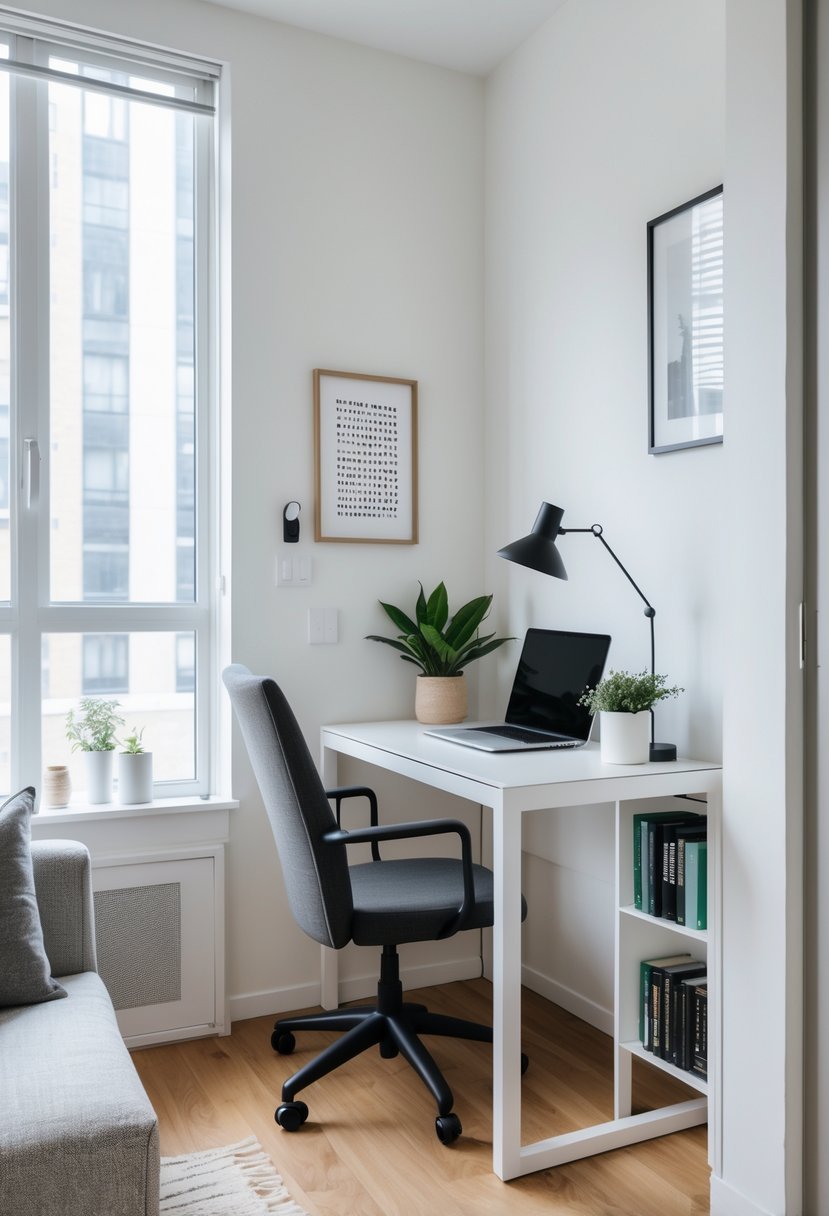
I find that having a dedicated workspace in a one-bedroom apartment helps separate work from relaxation. Compact desks are essential because they fit nicely into small corners without overwhelming the room.
Choosing a desk with built-in storage can keep my supplies organized and the surface clutter-free. I often opt for multi-purpose furniture, like desks that fold away or combine with shelves, to maximize space.
With some planning, even a small spot can become a practical and comfortable work area.
13) Display personal art to add character
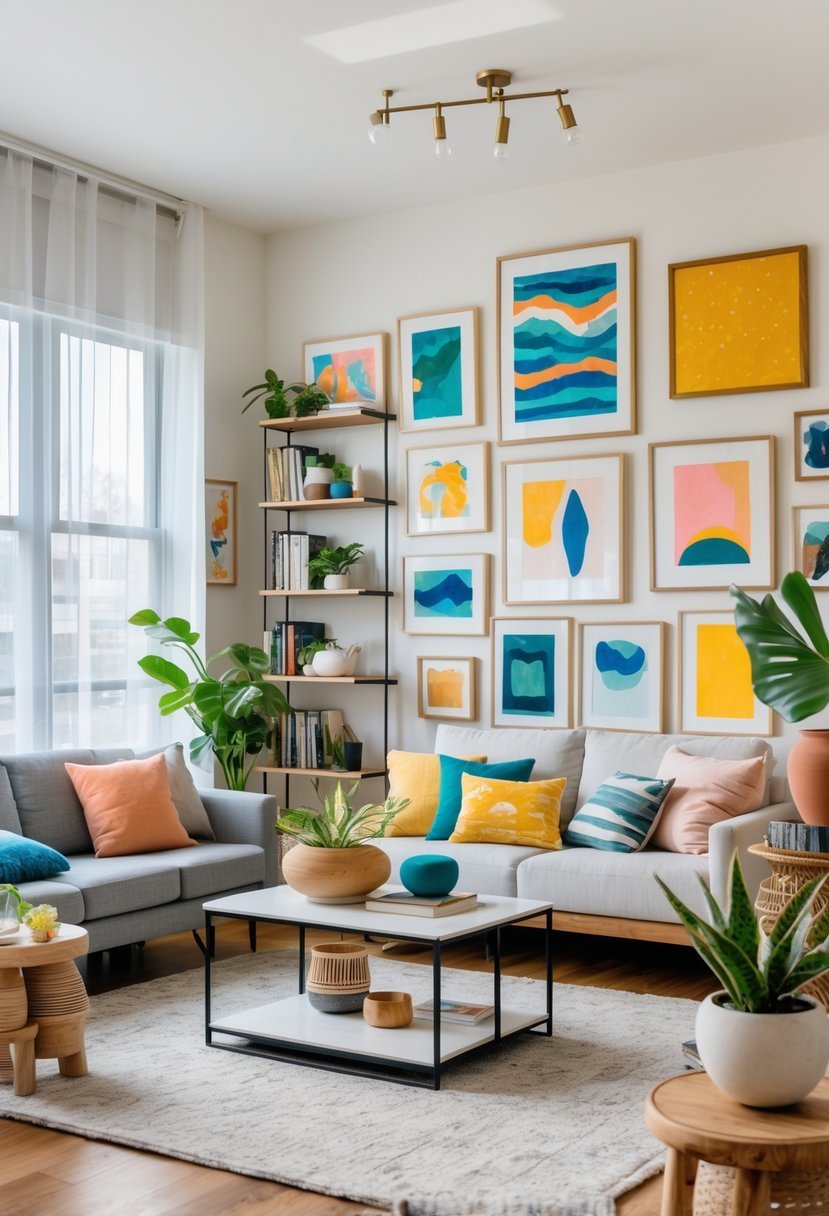
I find that displaying personal art gives a one-bedroom apartment a unique touch. It immediately reflects my personality and makes the space feel more like home.
Whether it’s paintings, sketches, or photographs, these pieces tell a story only I know. Choosing art that resonates with me means every glance sparks a connection.
Adding personal art also breaks up plain walls, creating interest without crowding the room.
14) Utilize under-bed storage containers
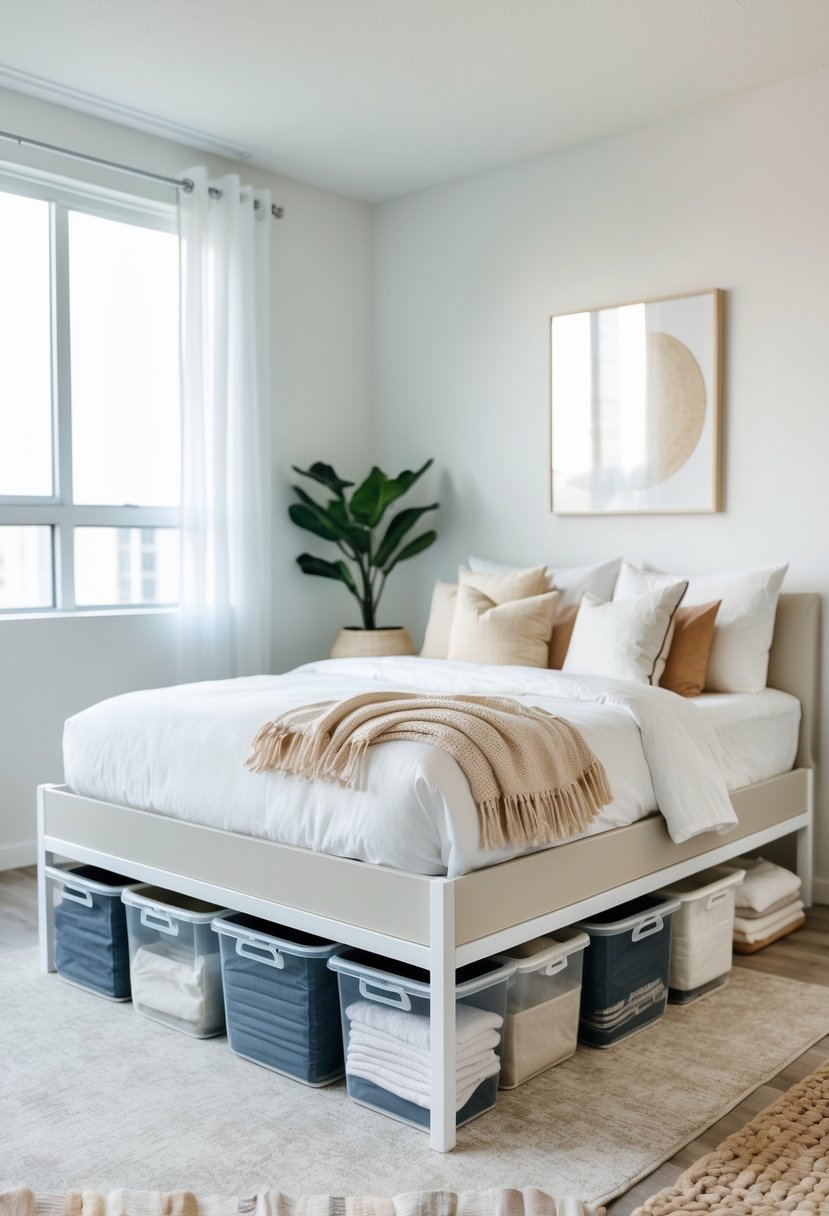
I use under-bed storage containers to maximize space without adding clutter. They are perfect for storing seasonal clothes, shoes, or extra bedding, keeping my bedroom tidy.
Choosing containers that fit well under the bed is important. I avoid plain boxes by opting for attractive bins or fabric baskets that blend with my decor.
These containers help me keep things organized and accessible.
15) Keep window treatments minimal to maximize light
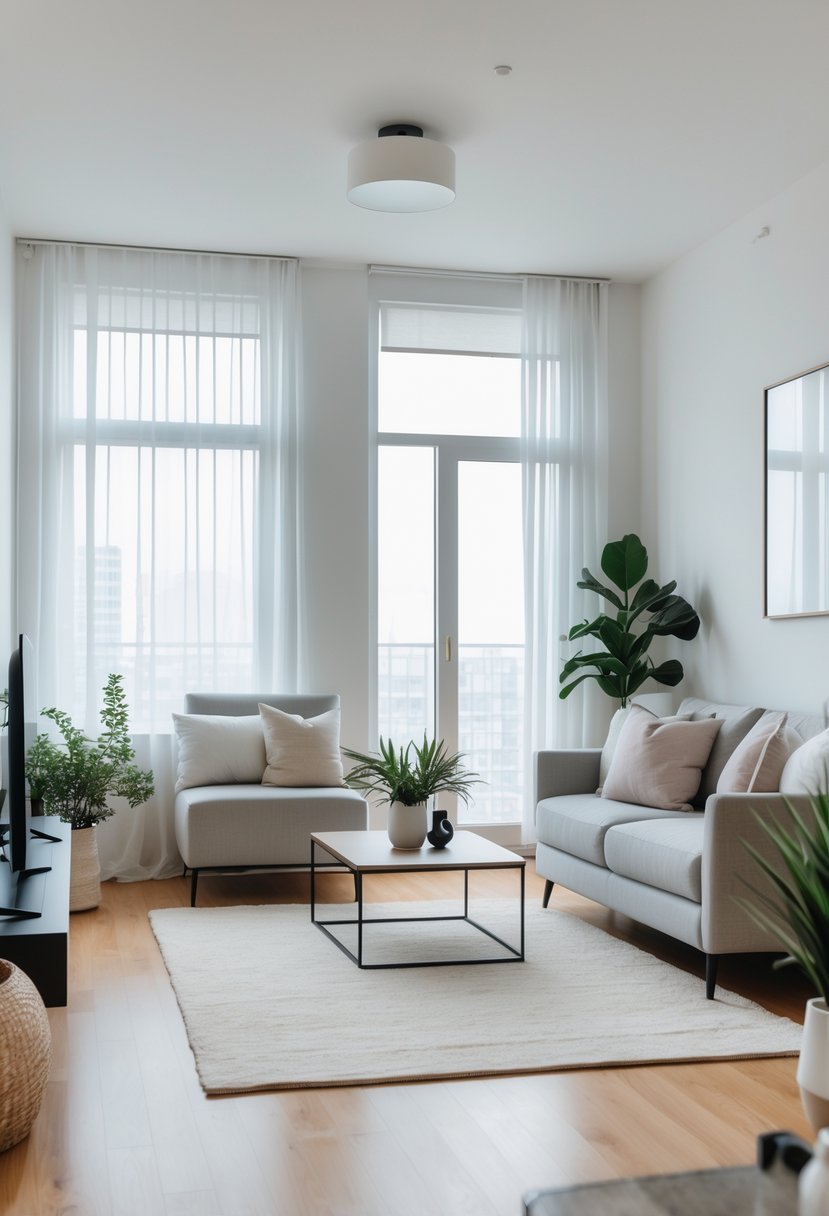
I find that using minimal window treatments helps get the most natural light into a one-bedroom apartment. Light and airy fabrics or even no curtains at all allow sunlight to brighten the space without feeling cluttered.
When I choose treatments, I focus on simple designs like sheer panels or roller shades that don’t block view or light. This creates an open, fresh atmosphere and helps small rooms feel less confined.
Balancing privacy with light control is also possible with well-chosen minimal options. I recommend avoiding heavy drapes or bulky blinds that can make the room feel darker and smaller.
16) Incorporate curtains with light fabrics
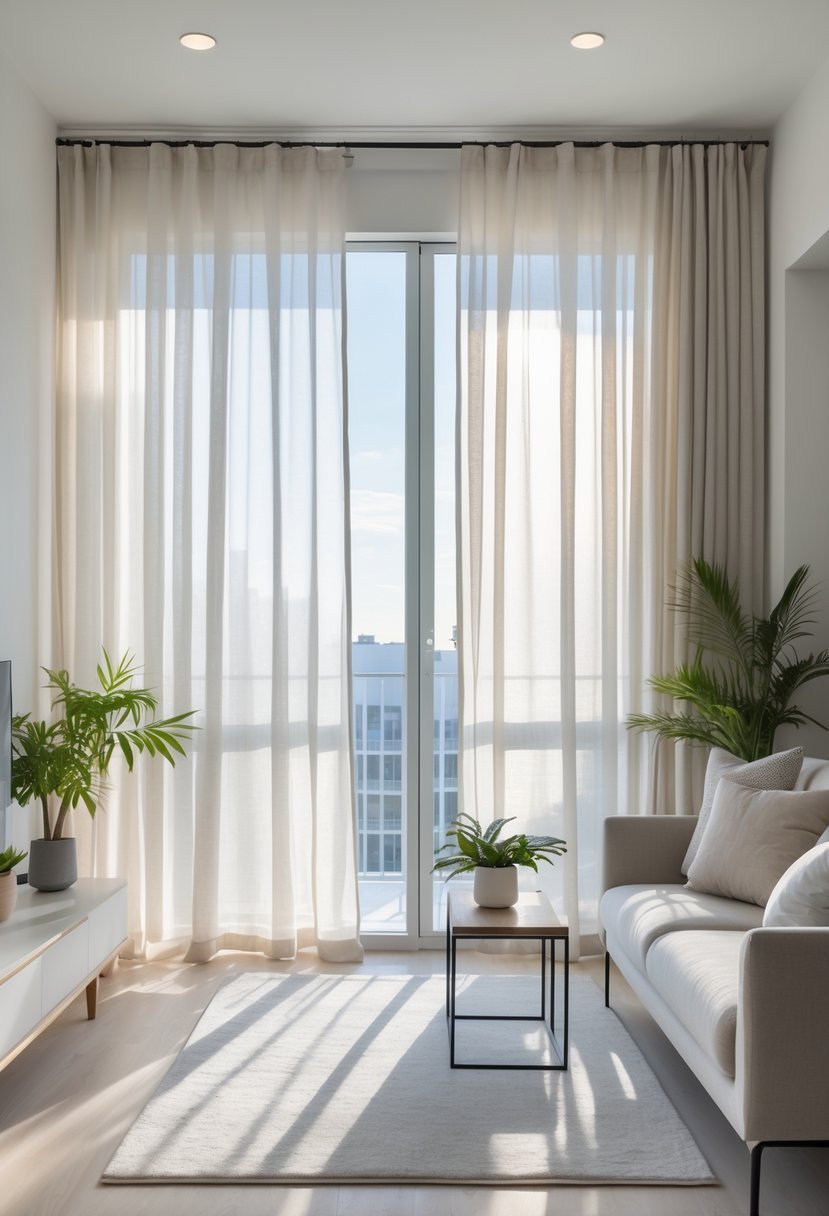
I find that using curtains made from light fabrics instantly brightens a small one-bedroom apartment. Sheer materials let natural light filter in, creating a more open and airy feel without sacrificing privacy.
Choosing soft colors, like pastels or neutrals, enhances this effect by reflecting light gently. I also prefer to hang the curtains close to the ceiling to add height to the room visually, making the space feel larger.
Light fabrics offer versatility, pairing well with many decor styles. They provide enough coverage to soften the look of windows while keeping the atmosphere calm and inviting.
17) Arrange furniture to optimize traffic flow
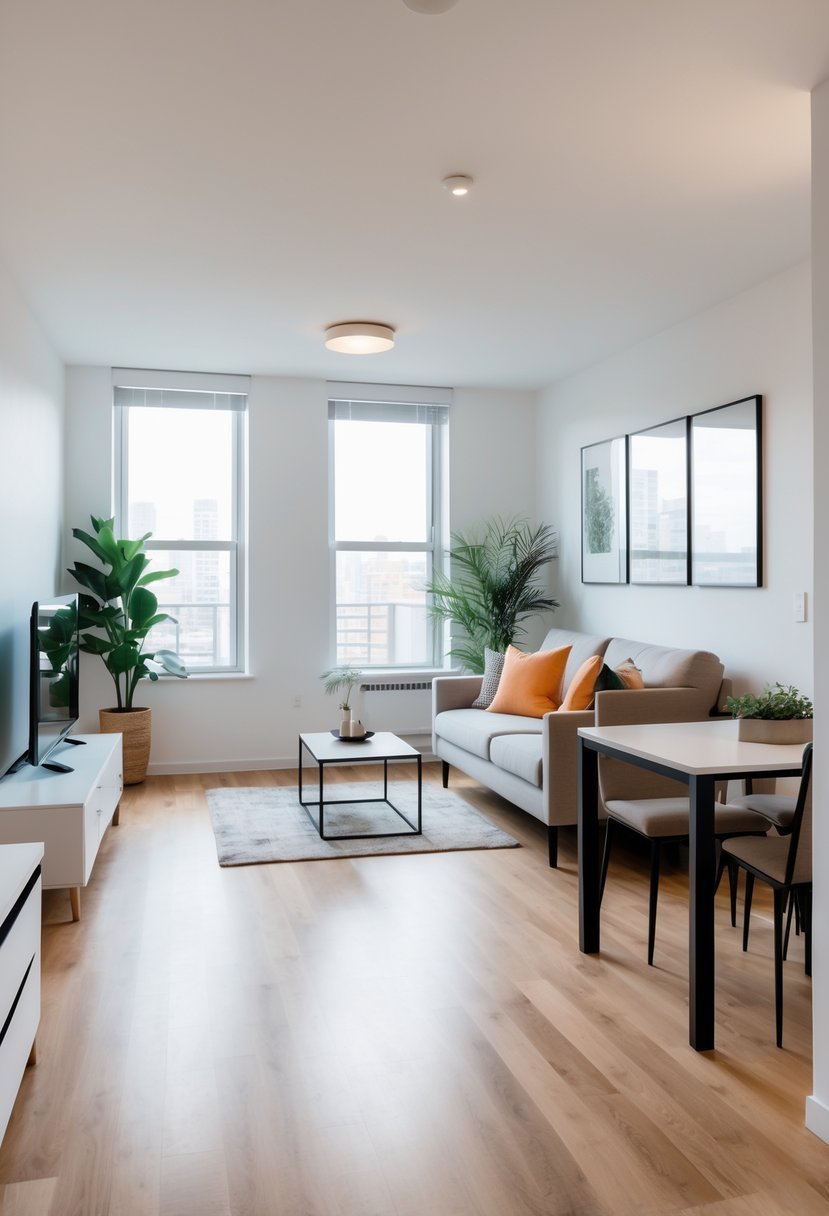
I focus on arranging furniture to create clear pathways throughout my apartment. Ensuring there is enough space—usually at least three feet—between pieces helps avoid cramped walkways and improves movement.
I prioritize the main entry points and how I move from one area to another. This approach creates a natural flow and makes the apartment feel more open and functional.
By positioning key furniture around focal points and traffic routes, I prevent clutter and visual obstruction. Thoughtful placement transforms tight spaces into comfortable, easy-to-navigate rooms.
18) Use clear acrylic furniture for visual openness
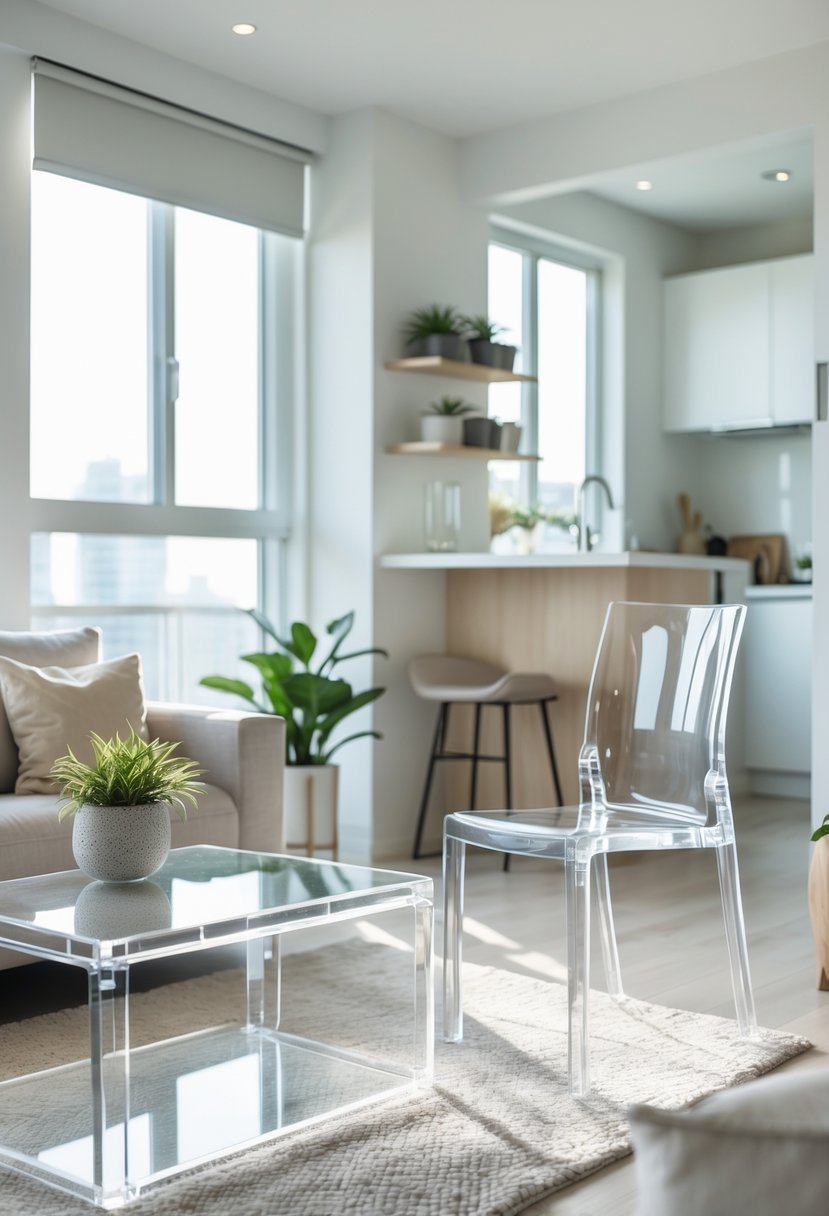
I like using clear acrylic furniture in small apartments because it helps keep the space feeling open. The transparency allows light to pass through, reducing visual clutter and making the room appear larger than it is.
Acrylic pieces also have a modern and sleek look. I find that beds, desks, or side tables made of acrylic add style without overwhelming a tight space.
Plus, the lightweight nature of acrylic makes it easy to rearrange when needed. In my experience, combining acrylic furniture with simple, minimalist designs creates a cohesive appearance.
19) Incorporate smart home lighting systems
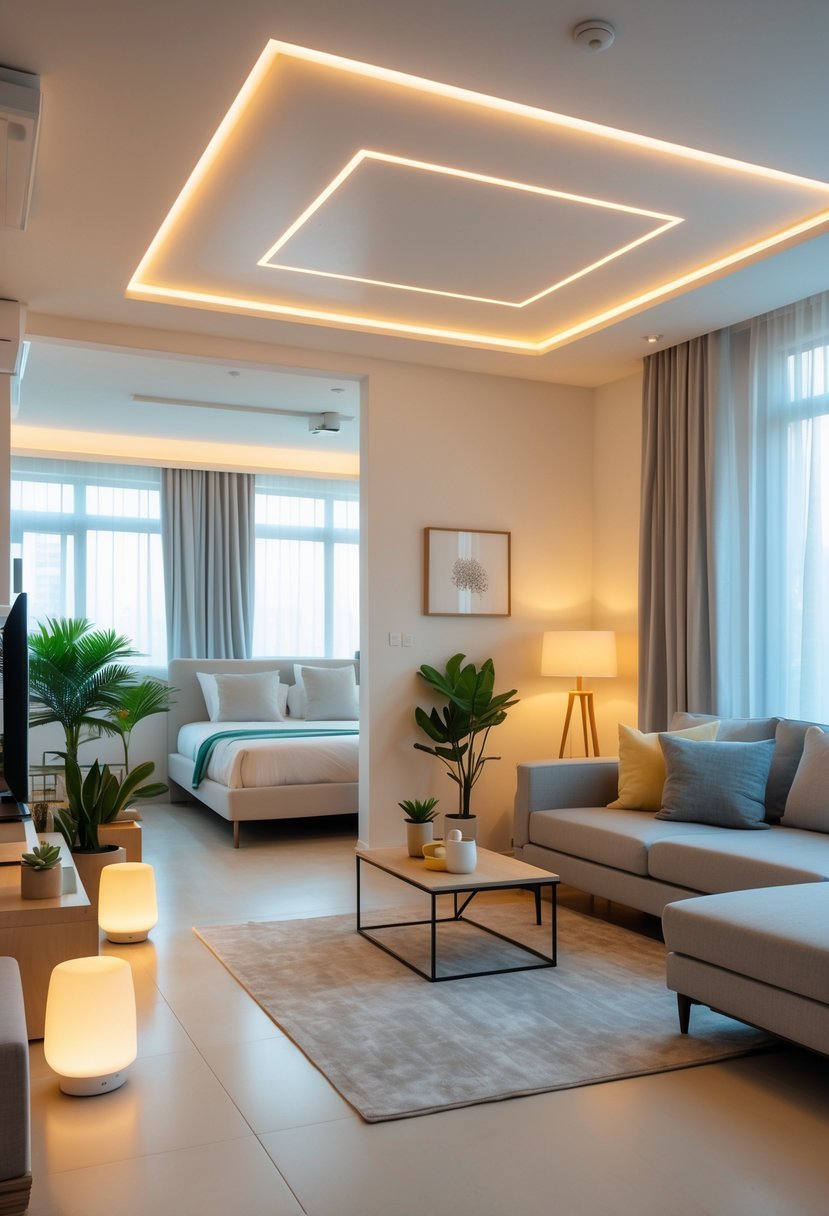
I find smart home lighting systems essential for modern apartment living. They offer flexibility, allowing me to adjust brightness and color with simple voice commands or app controls.
Using smart bulbs and switches, I can control multiple lights from anywhere, enhancing convenience and energy efficiency. Some systems even respond to motion or time schedules, reducing unnecessary power use.
Integrating these lighting solutions also adds a sleek, contemporary touch to my space. The technology blends well with decor without drawing unwanted attention.
20) Add statement cushions and throws for color pops
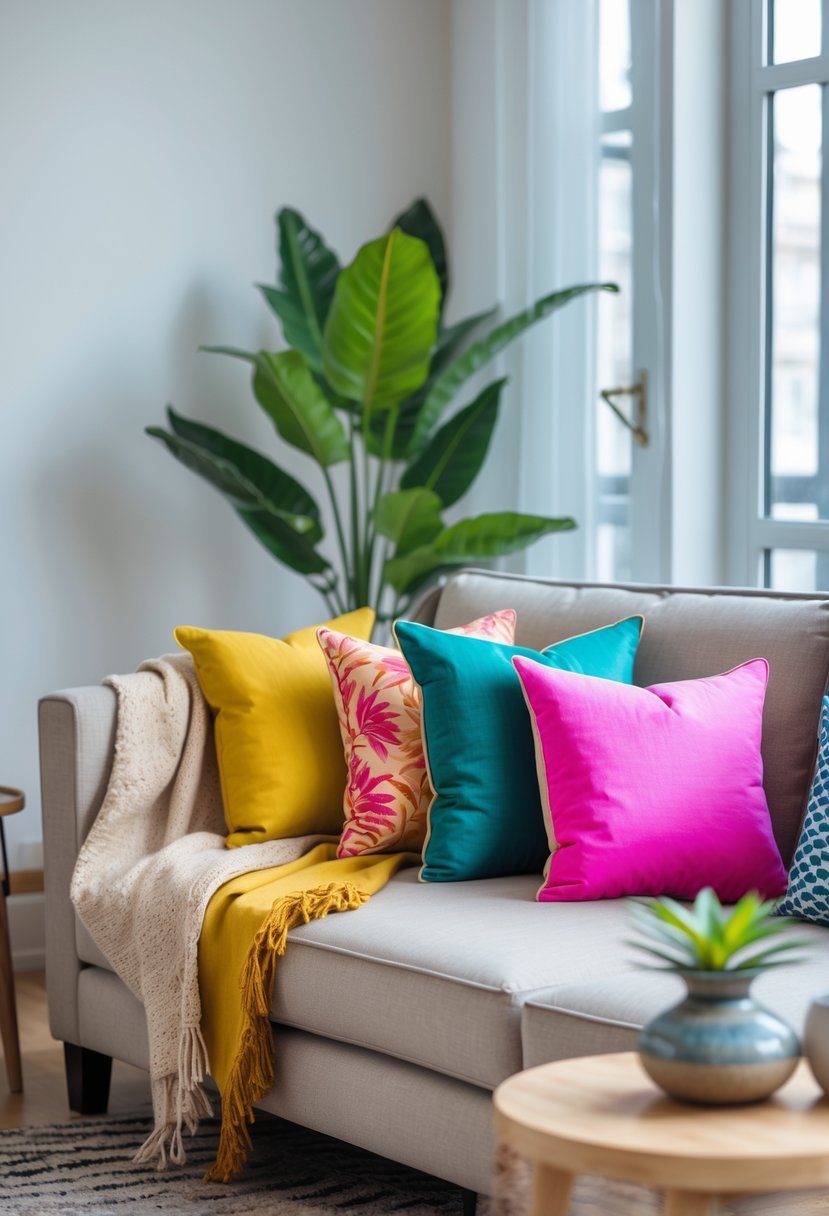
I like to use statement cushions and throws to add color to my neutral apartment. They are an easy way to refresh the look without a big commitment.
Choosing bold colors or interesting patterns creates a focal point in the room. Mixing different sizes and textures adds depth and keeps the space from feeling flat.
I often combine cushions with throws to layer color and comfort on my sofa or bed. This method is budget-friendly and allows me to switch styles whenever I want.
Foundational Principles of 1 Bedroom Apartment Decor
To decorate a one-bedroom apartment well, I focus on creating a cohesive design that ties different areas together while balancing function with visual appeal. This approach helps maximize limited space without sacrificing style or comfort.
Key Elements of Cohesive Design
Cohesive design depends on a consistent color palette, complementary furniture styles, and a clear theme. I start by choosing neutral base colors like beige, gray, or white to keep the space feeling open.
Then, I add accents in one or two coordinating colors to bring interest without clutter. Furniture choices must harmonize in material and scale.
For example, pairing mid-century modern pieces with similar wood tones creates unity. I also use texture through fabrics like cushions or rugs to add depth.
Lighting plays a critical role, helping me define zones within the apartment and enhance the decor’s flow. Mixing ceiling lights with floor lamps or table lamps balances ambient and task lighting while keeping the look integrated.
Balancing Function and Aesthetics
In a small apartment, function can’t be an afterthought. I favor multifunctional furniture—like beds with storage drawers or foldable tables—that saves room and meets daily needs.
Storage solutions need to be smart and stylish. I lean toward built-in shelves or using vertical space to keep clutter out of sight.
Open shelving helps showcase decor but requires organization to avoid messiness. Comfort is equally important.
I layer soft textiles and choose ergonomic furniture, making sure the space is not only visually appealing but livable.
Practicality and style can coexist when every element serves a purpose and contributes to the overall look.
Common Challenges and Solutions
Living in a one-bedroom apartment means facing specific design hurdles that require practical and creative fixes. These challenges often revolve around space constraints and creating the right environment to feel comfortable and functional.
Maximizing Small Spaces
One of the biggest challenges I encounter is finding enough room for all my essentials without clutter. I focus on multi-functional furniture like sofa beds, storage ottomans, or foldable tables.
These pieces help me save floor space while maintaining comfort. I also use vertical storage options such as wall shelves and tall bookcases to free up space.
Keeping the layout open by placing larger furniture against walls creates a sense of flow. Clear pathways are important to avoid a cramped feeling.
Another useful tip is to keep decor minimal but cohesive. Too many decorative items can make a small space feel chaotic. Instead, I choose a few key pieces that complement each other and serve a functional purpose.
Lighting and Atmosphere
Lighting dramatically affects how spacious and welcoming my apartment feels. I rely on layered lighting—a mix of overhead lights, floor lamps, and task lighting—to create different moods and improve the overall ambiance.
Natural light is a priority. I avoid heavy drapes; instead, I use sheer curtains or blinds that let sunlight in without sacrificing privacy. Placing mirrors opposite windows helps reflect light and visually expands the room. I prefer warm LED bulbs to keep the space cozy but not dim. Dimmers are a great addition because they allow me to adjust brightness based on time or activity.
Conclusion
As you can see, a lack of square footage is no excuse for a lack of personality. Successful 1 bedroom apartment decor is all about intentionality; it requires choosing pieces that serve double duty, utilizing vertical space, and embracing light to keep things feeling open. We hope these ideas have inspired you to stop looking at your walls as boundaries and start seeing them as opportunities for creative expression.
Whether you decide to use a bookshelf as a room divider or invest in a statement rug to anchor your living area, remember that the best apartment is one that works for your specific lifestyle. Now, it is time to declutter, rearrange, and turn your compact unit into a spacious sanctuary.